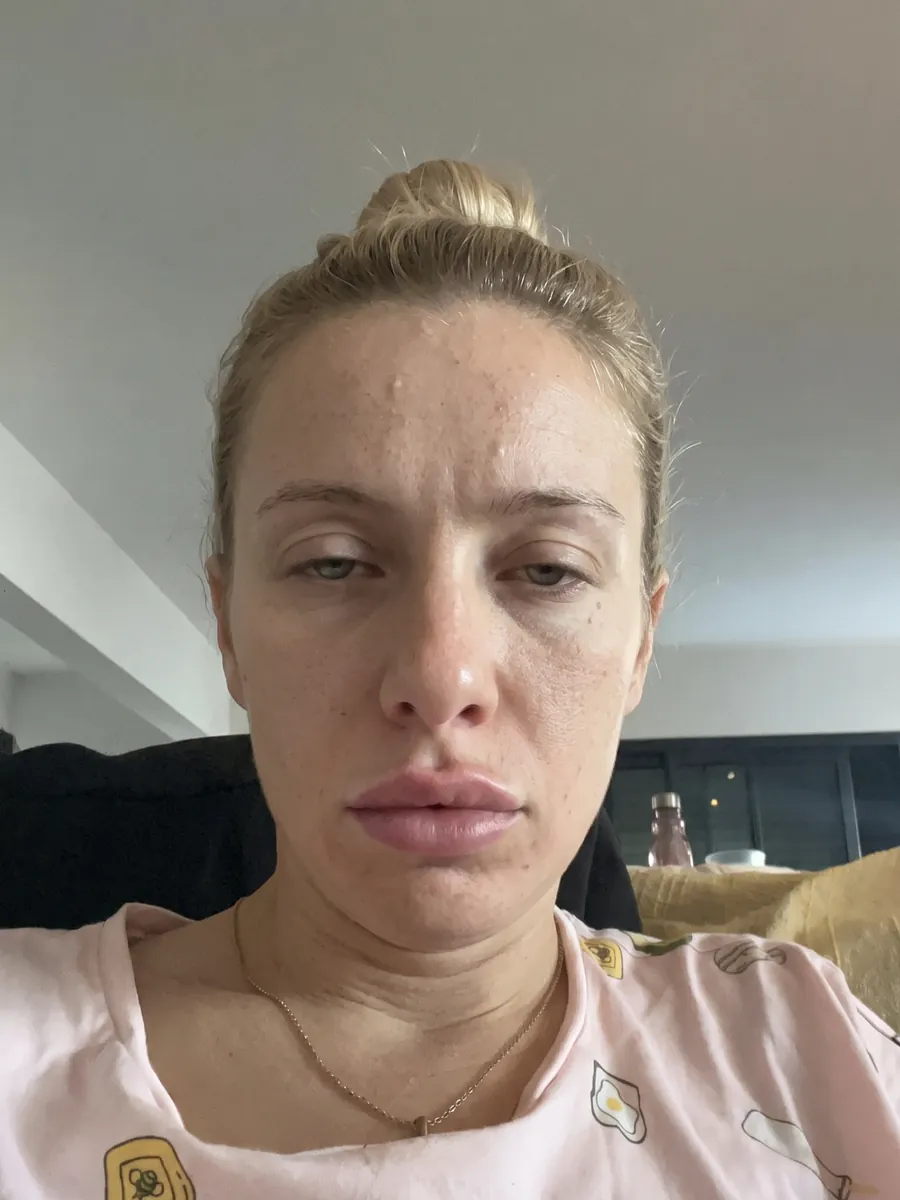
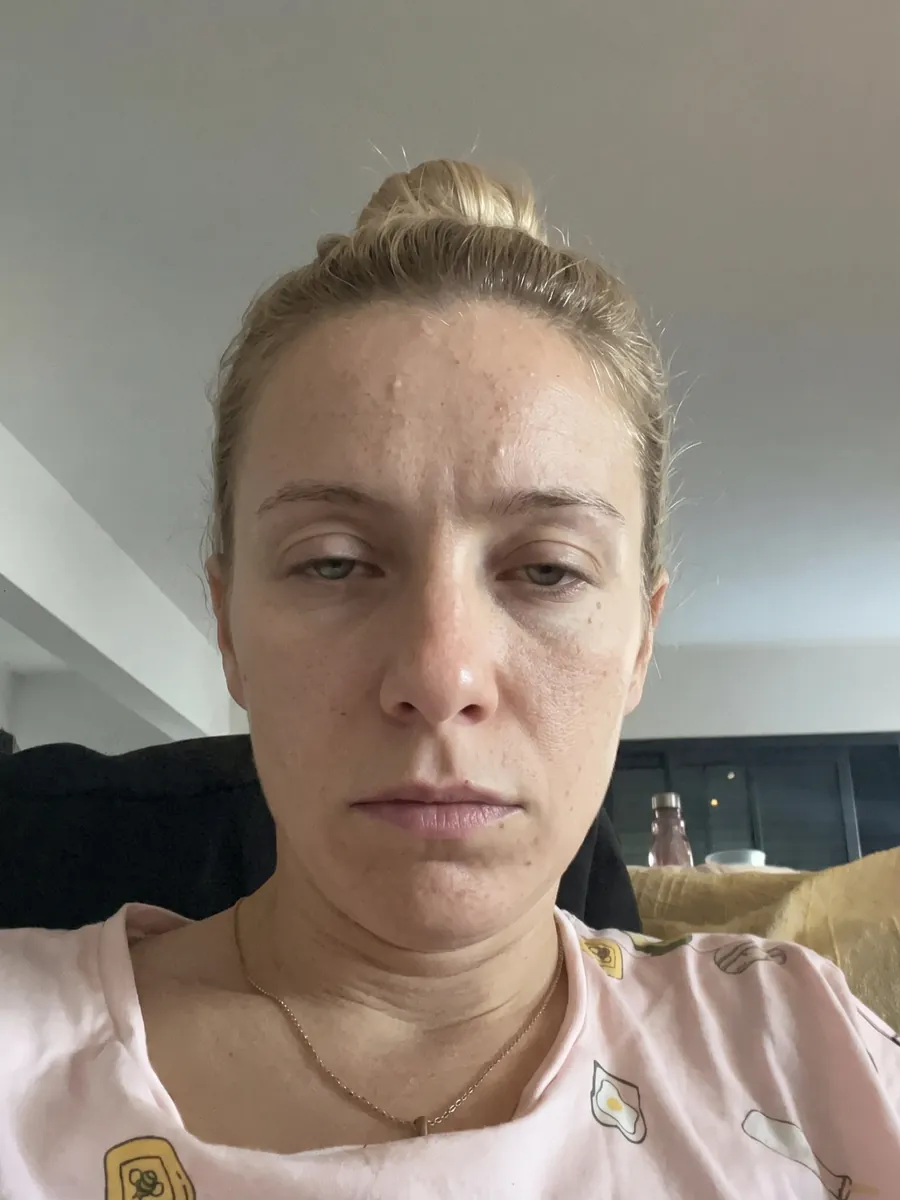
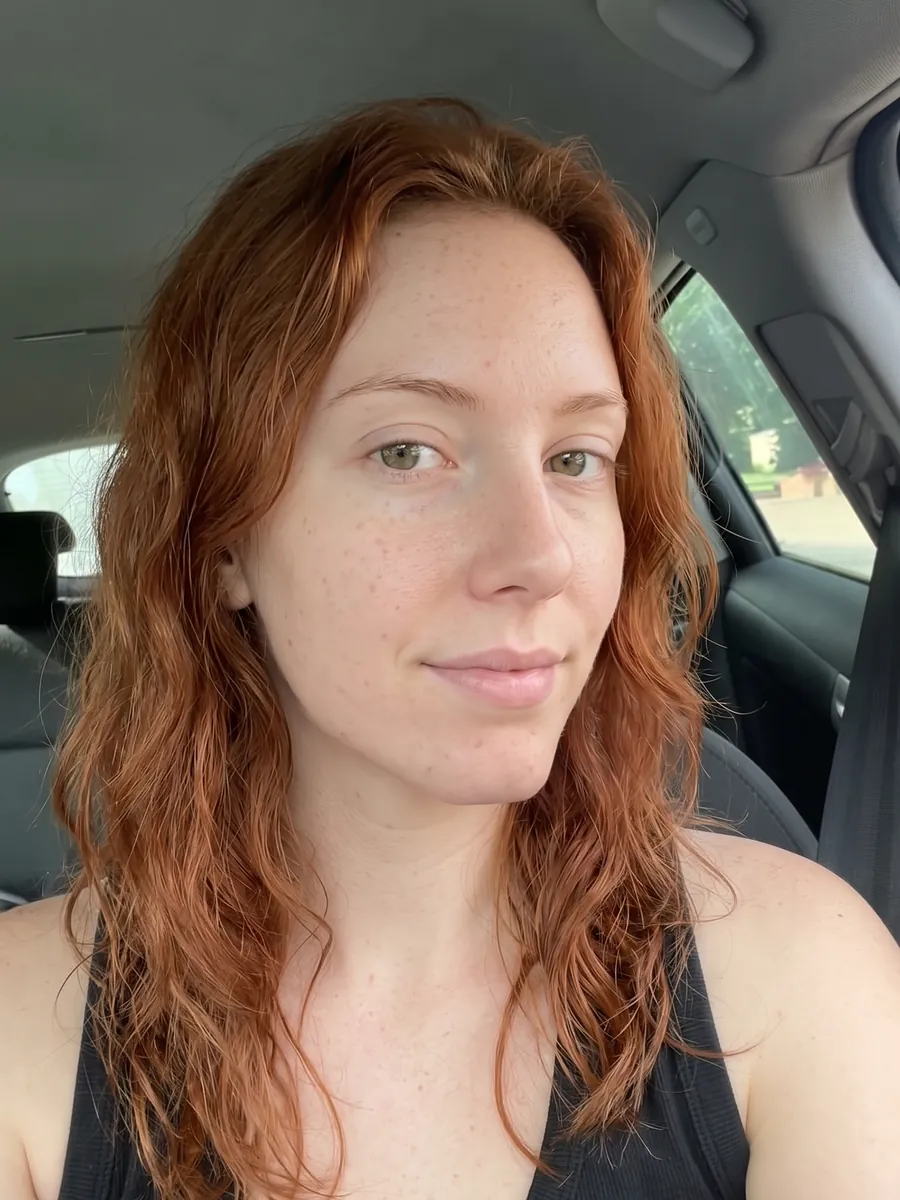
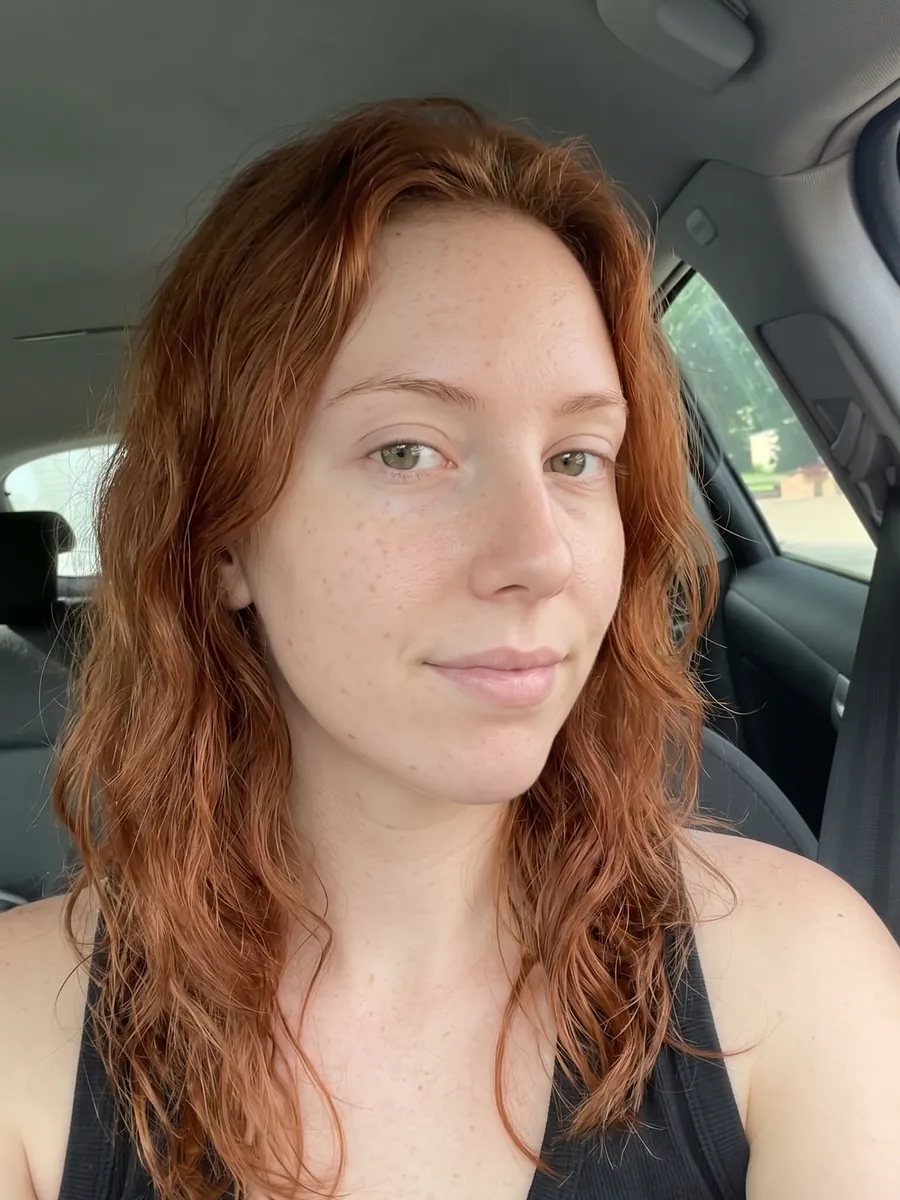
Lower blepharoplasty before and after, on your own face
By Jérémie Aouate, founder of Mevona. Updated October 22, 2026.
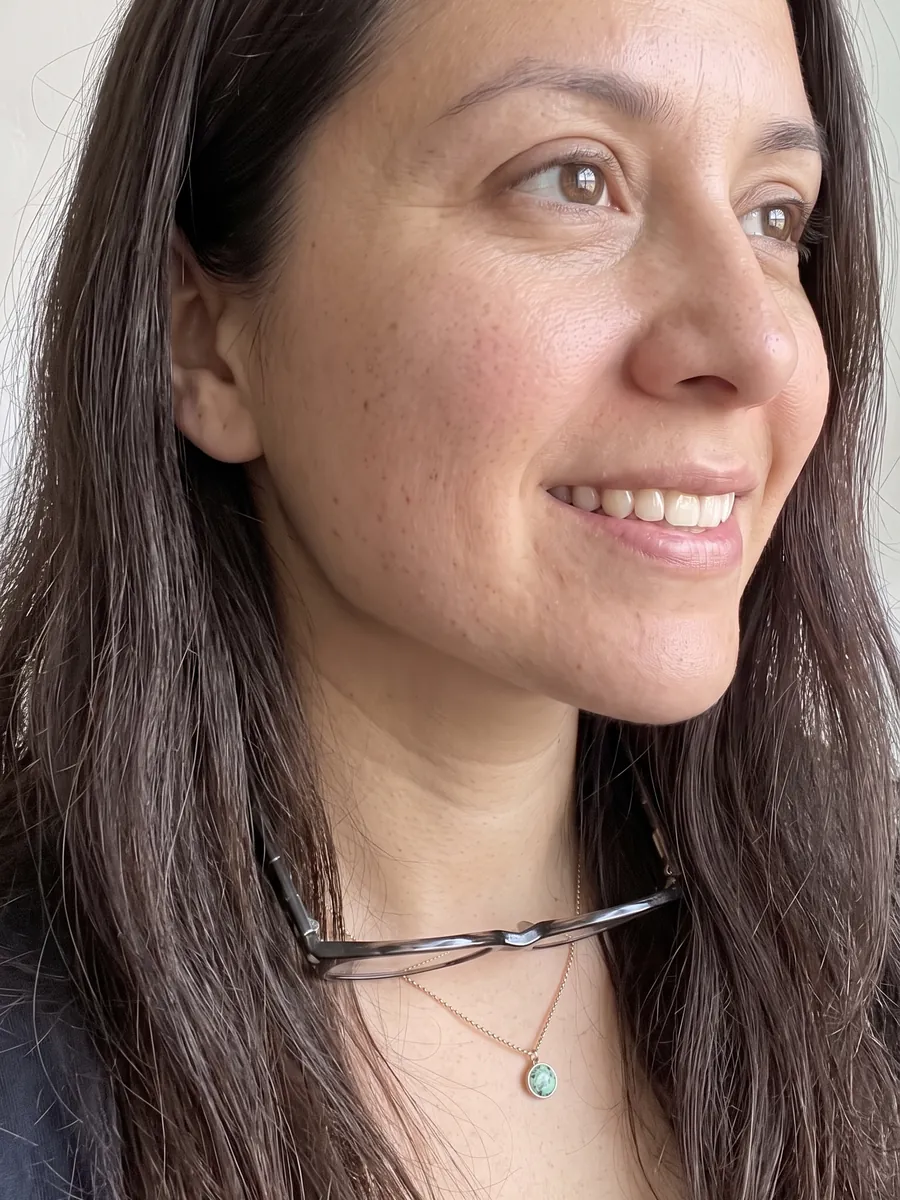
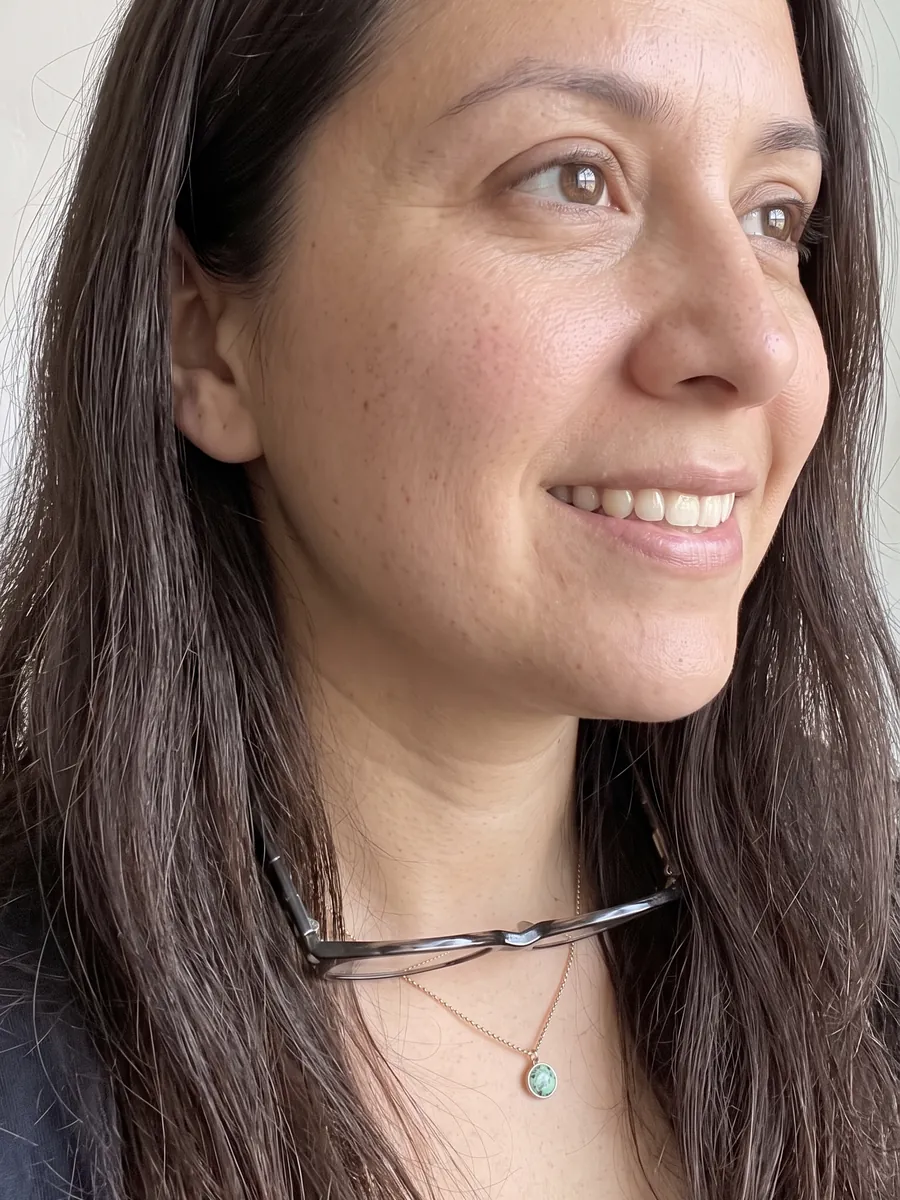
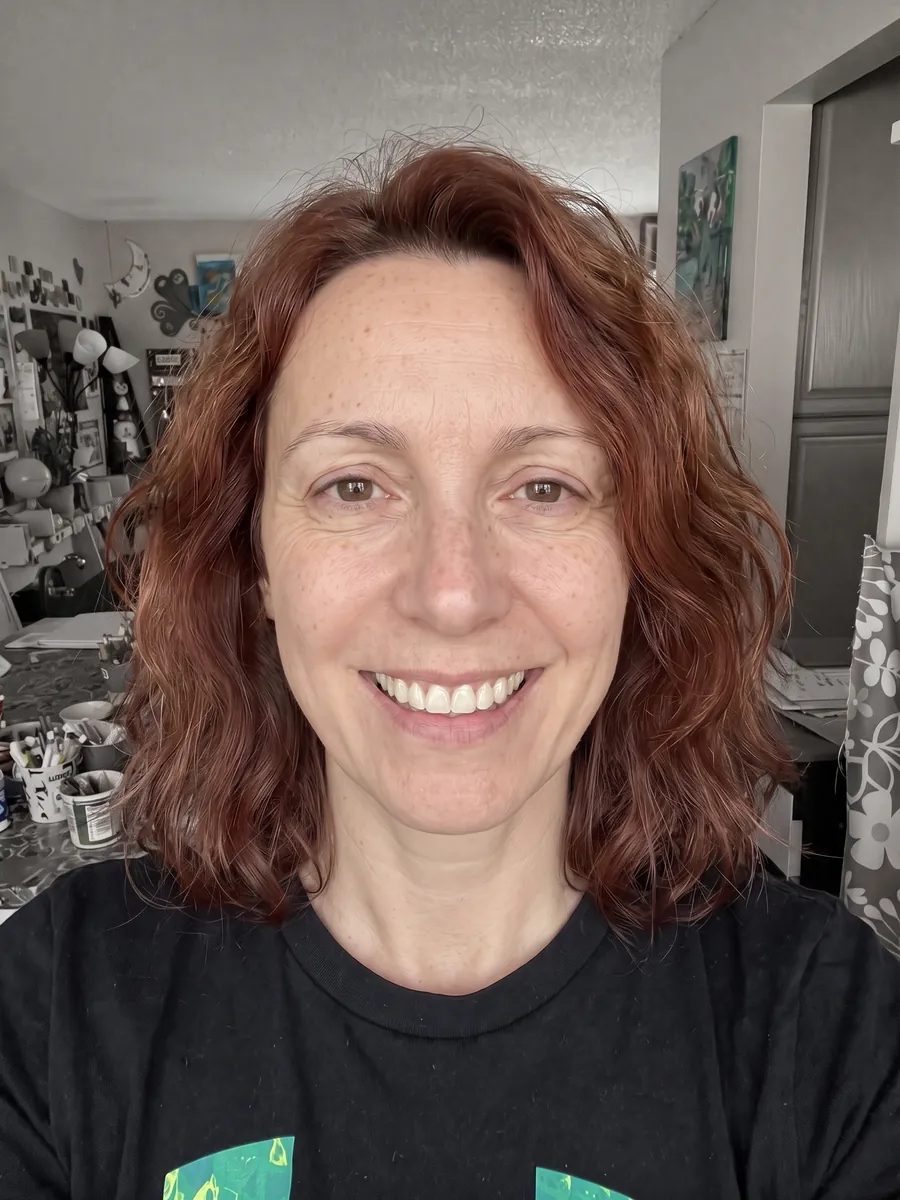
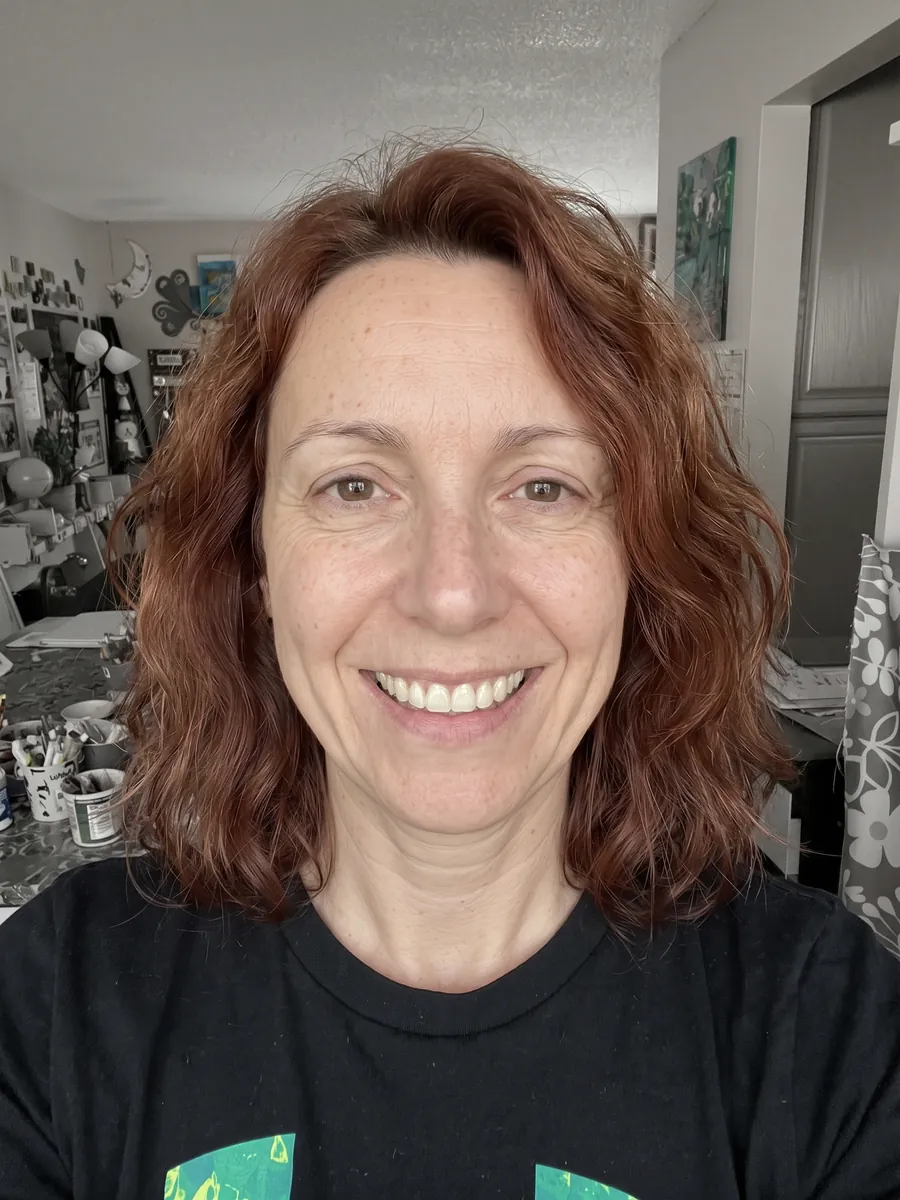
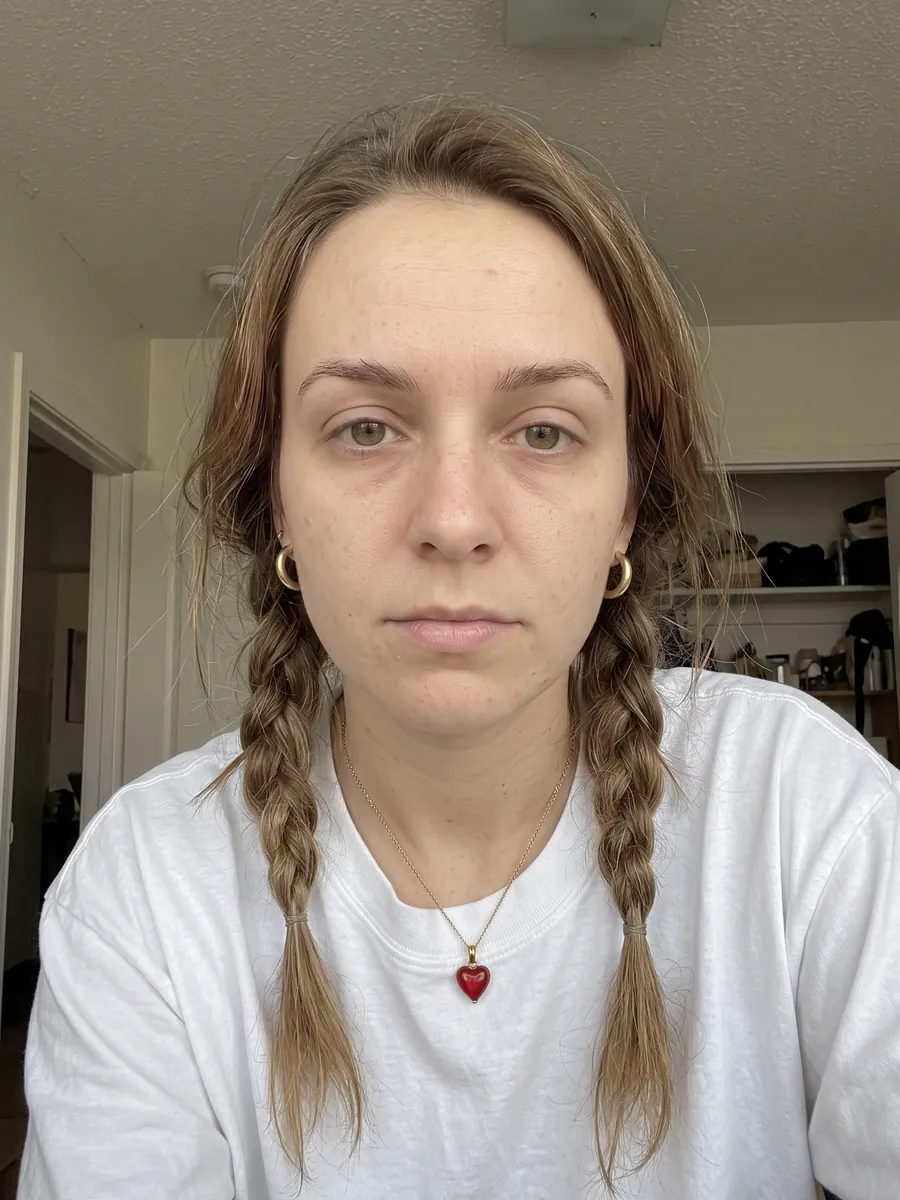
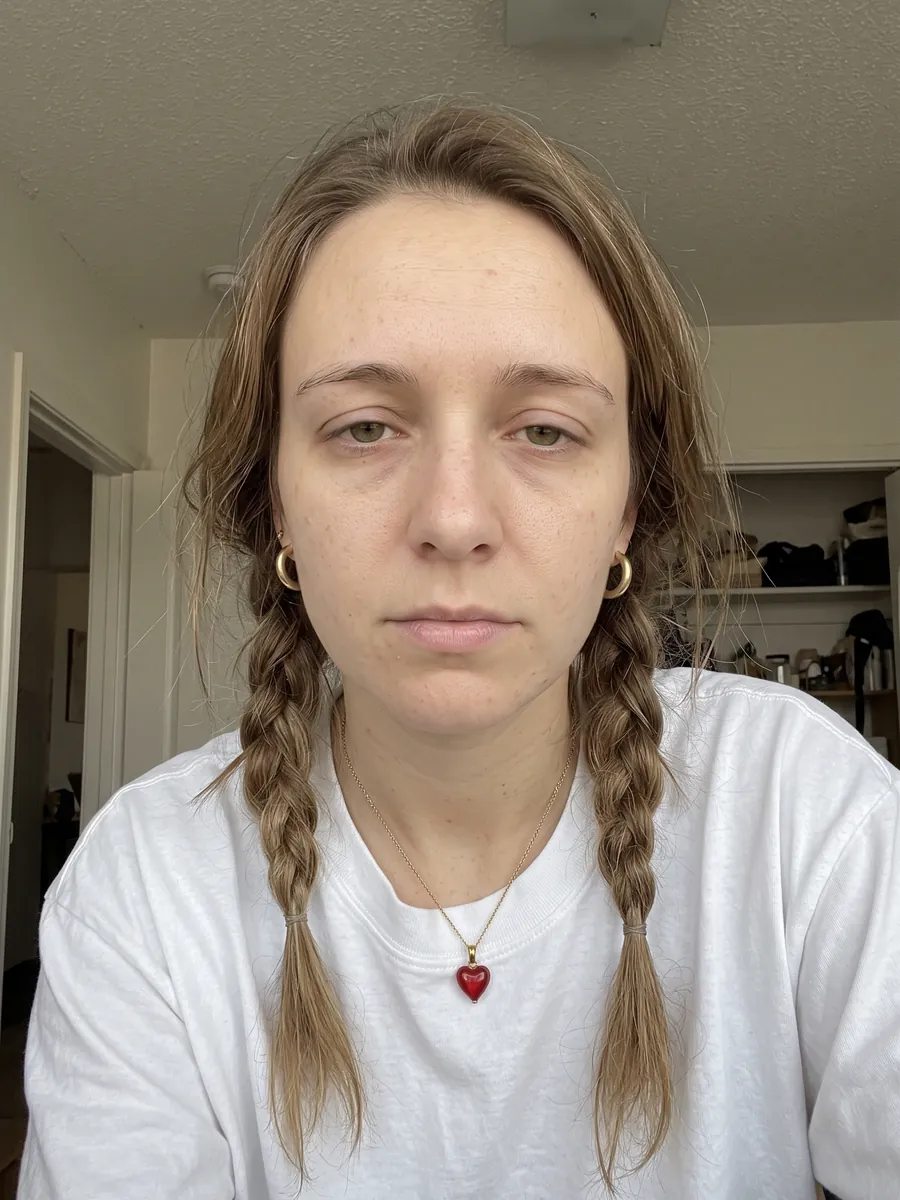
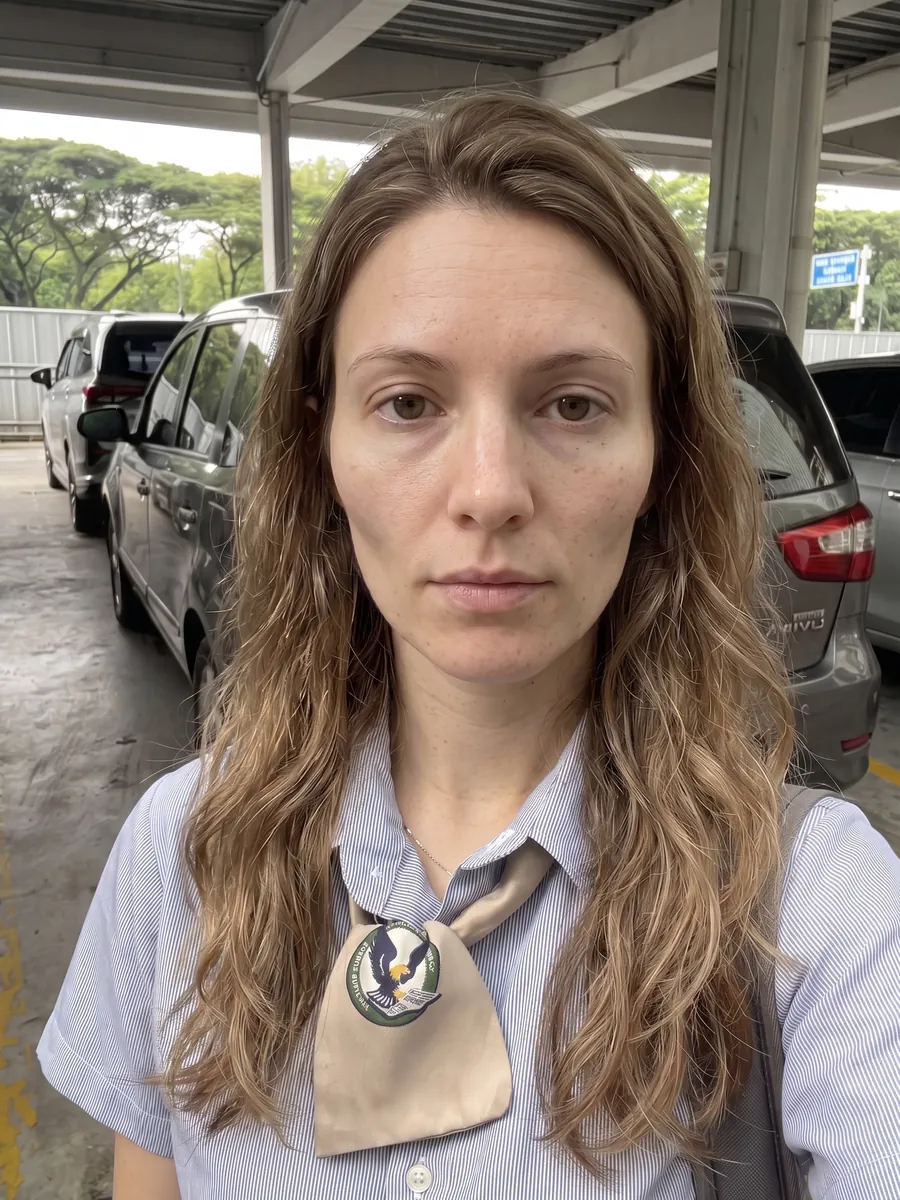
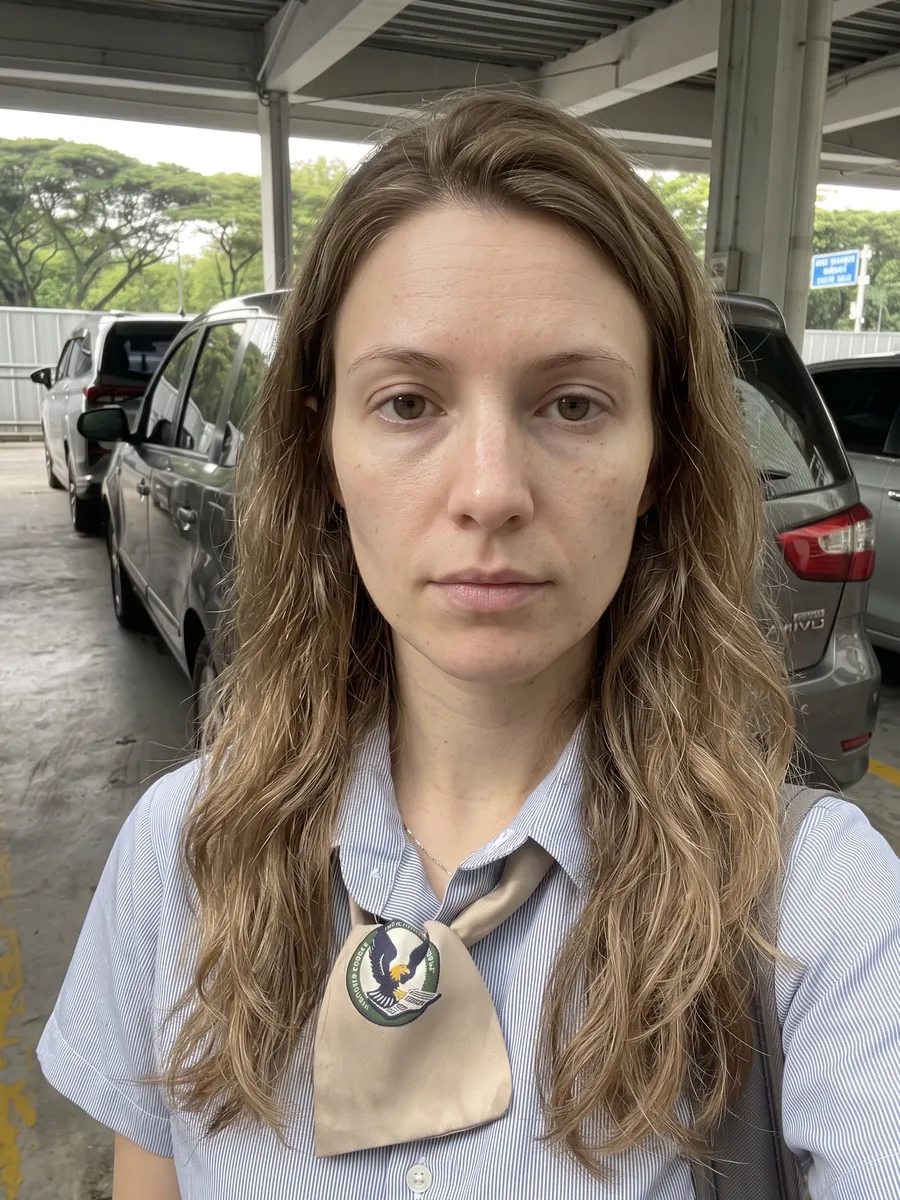
A lower blepharoplasty works on the bags under your eyes: the fat that pushes forward under the lower lid, the skin over it, and sometimes the hollow just below. This page shows that change on one face, at three doses, from the front and in profile, and how to see it on your own photos. What you see here is a Cosmetic Preview, an illustration of the kind of change, not a predicted result.
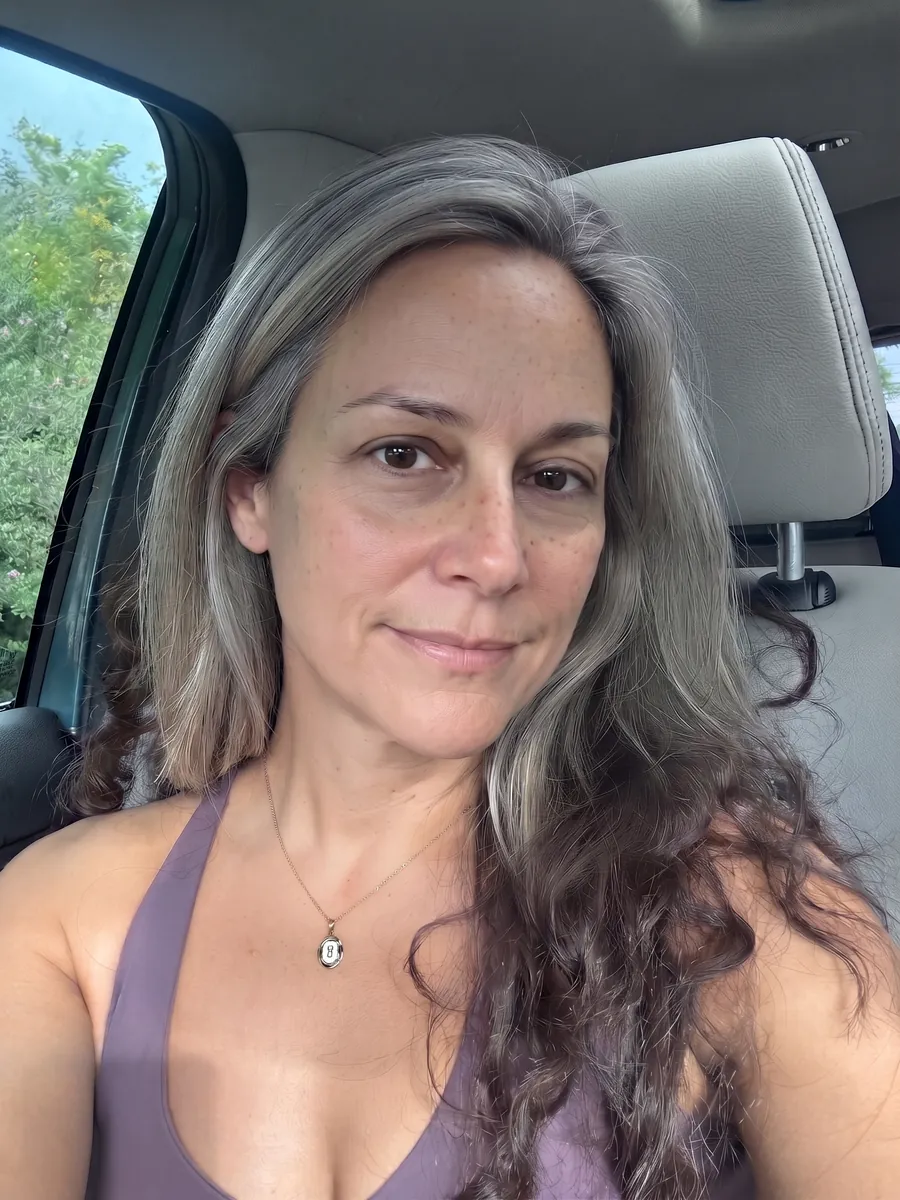
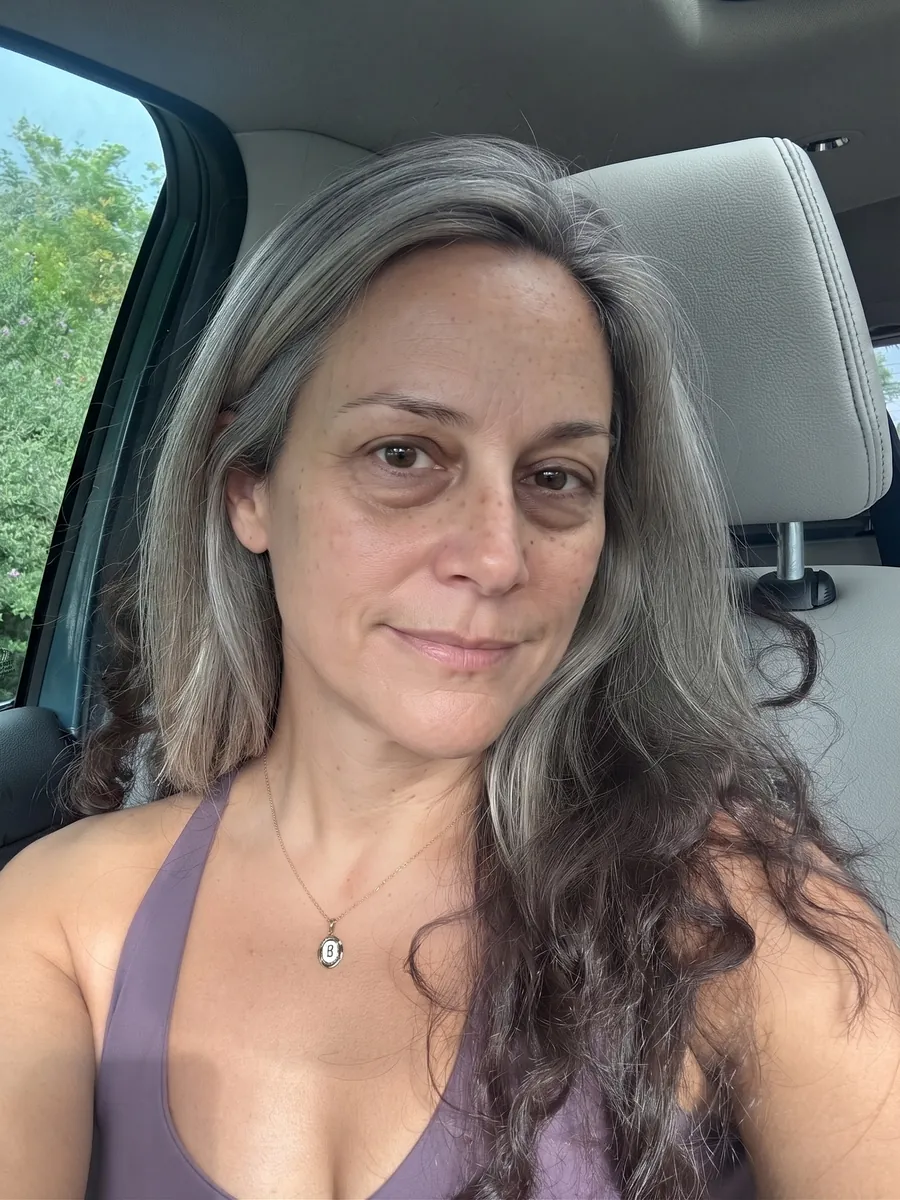
In short
- Lower blepharoplasty removes or repositions the fat behind under-eye bags, according to the ASPS, and removes excess skin when the incision is just below the lashes. Done from inside the lid, it removes no skin.
- ASPS member surgeons performed 118,978 eyelid surgeries in the US in 2025, upper and lower lids counted together, up 19 percent. The ASPS report says the operation can lessen puffiness and smooth undereye bags.
- A 2024 review of 20 studies describes fat repositioning as long-lasting, where hyaluronic acid filler under the eye needs periodic maintenance.
- Average US surgeon fee: $3,876 for a lower blepharoplasty according to the ASPS, before anesthesia and facility fees. No range is published.
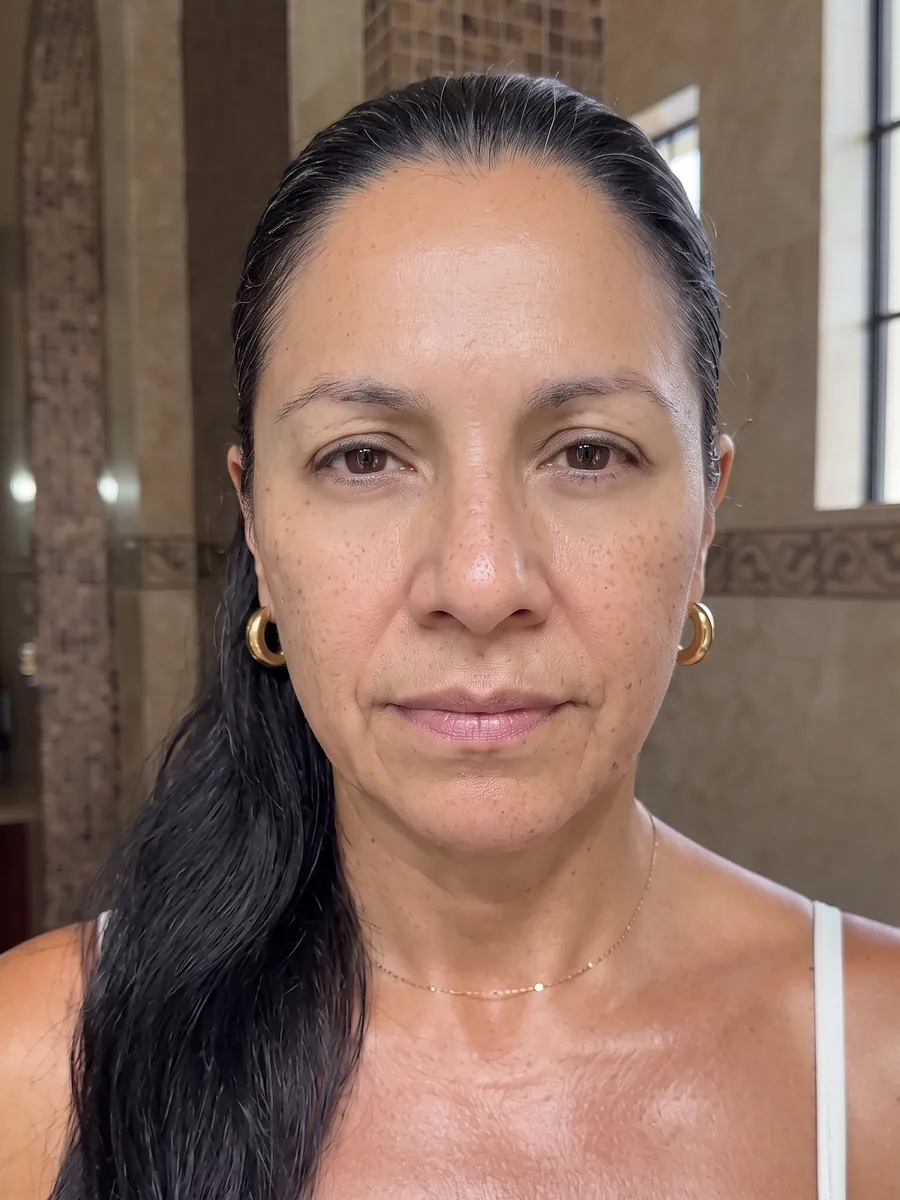
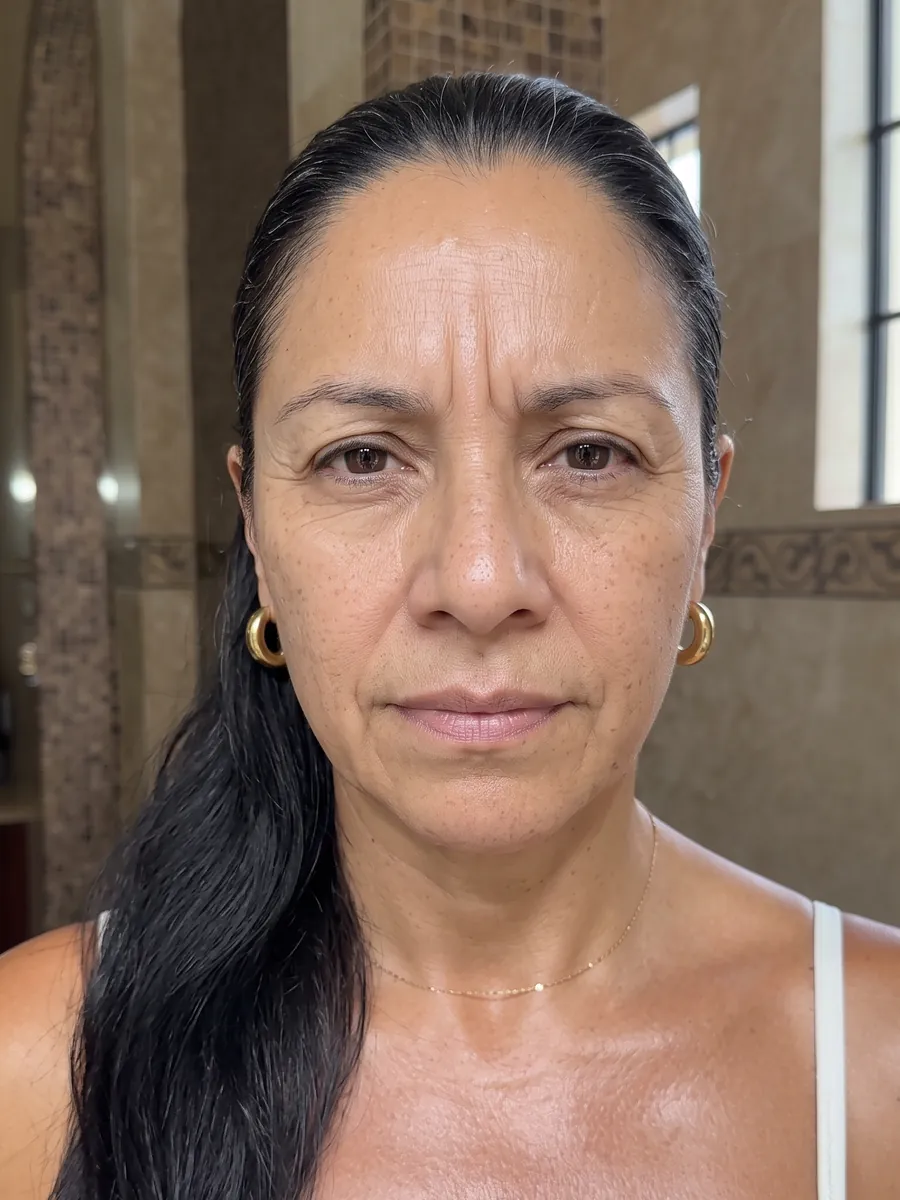
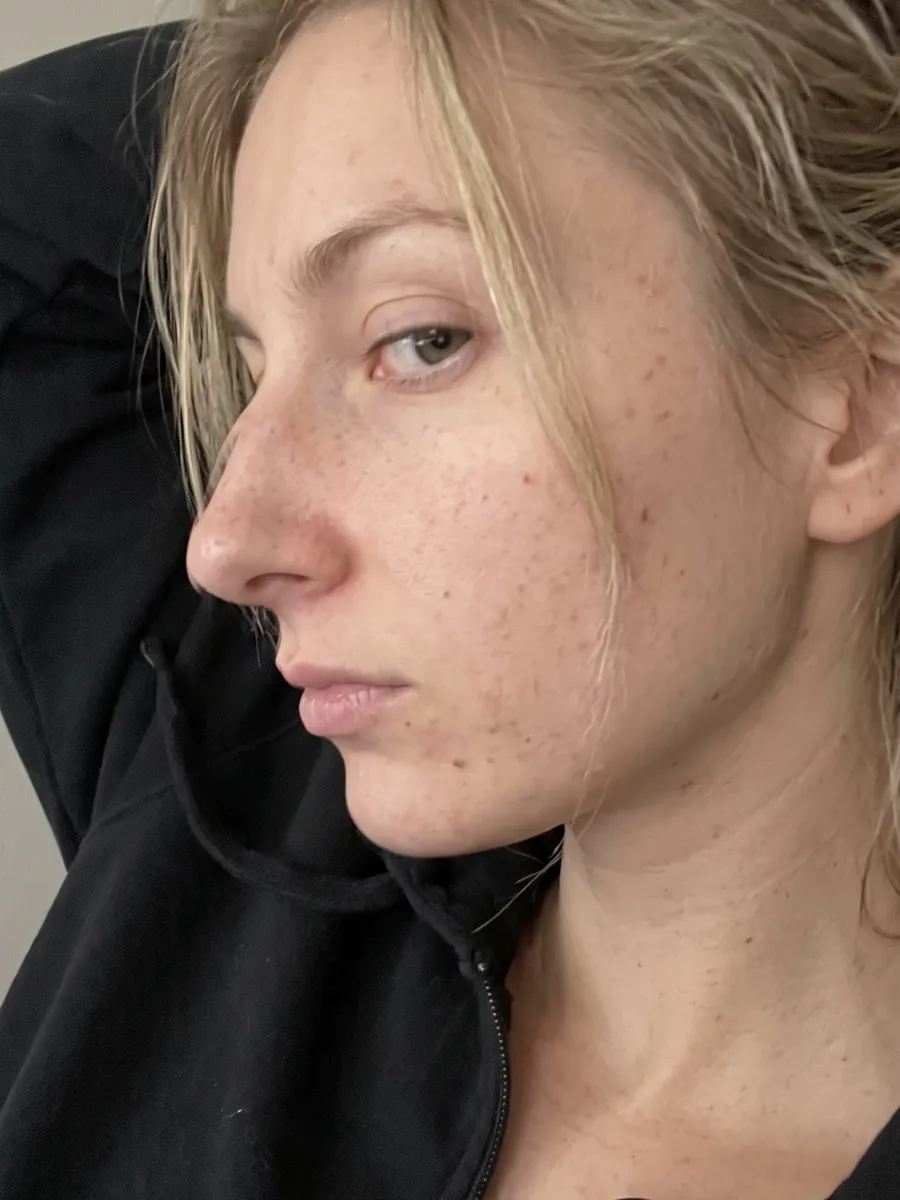
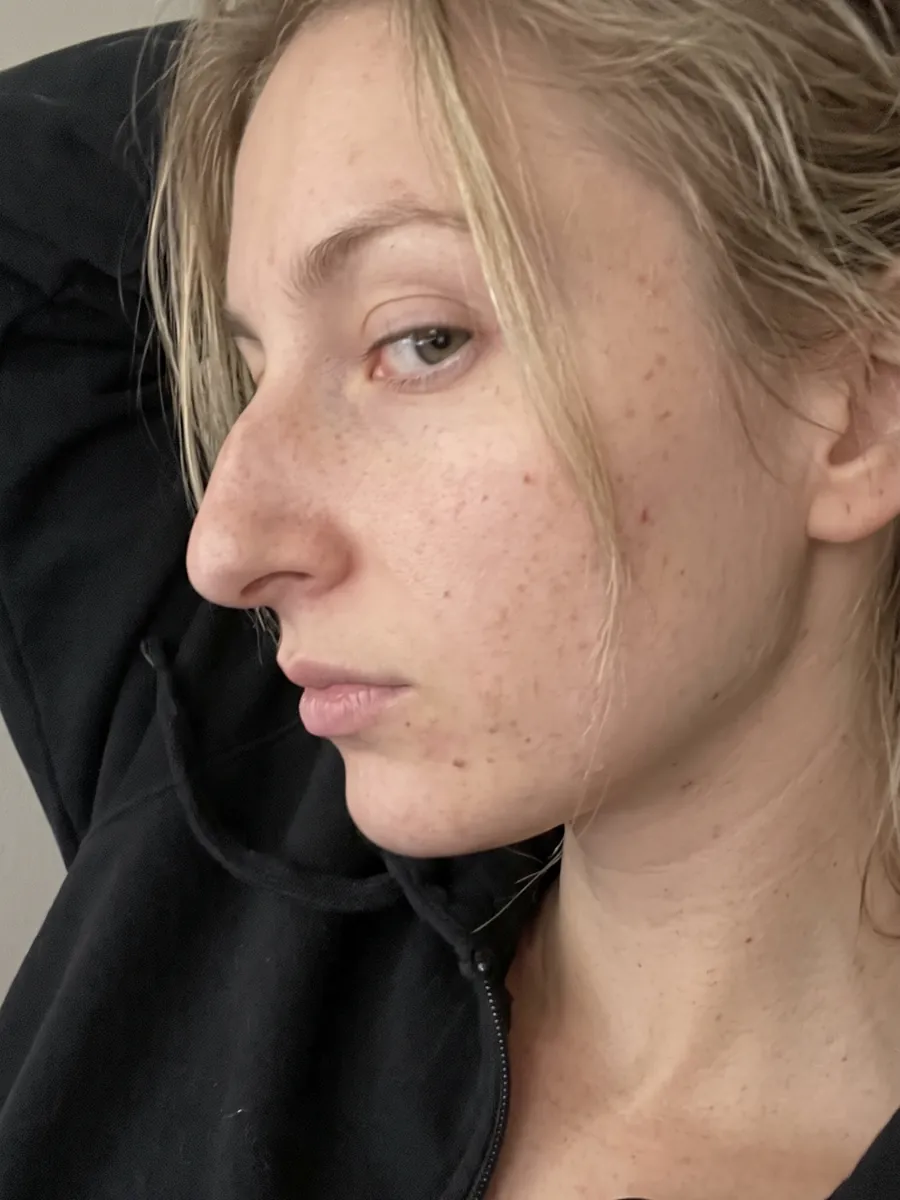
- This page shows bags softened, then smoothed, then smoothed with the hollow below filled, on one face, from the front and in profile.
What lower blepharoplasty changes
Under your lower lid, small pads of fat cushion the eye. When they push forward, they show as a bag. Below the bag, where the lid meets the cheek, there is often a groove, the tear trough, and a bag makes it look deeper by contrast. Light from above catches the top of the bag and leaves a shadow underneath, which is why bags read as tiredness in photos.
According to the ASPS, eyelid surgery can address bags under the eyes, lower lids that droop enough to show white below the iris, and excess skin and fine wrinkles of the lower lid. The surgeon reaches the fat in one of two ways. An incision just below the lower lash line lets excess skin be removed, and the fat repositioned or removed. An incision inside the lower lid lets the fat be redistributed or removed, and no skin is removed. Repositioning moves fat down into the groove instead of taking it out, and a 2024 review describes it as a way to correct the tear trough itself.
What lower blepharoplasty does not change matters as much. The upper lid, the brow and the cheek are not part of the operation, and a lower lid pulled down after surgery is a known risk, covered below. Dark color under the eye is a separate question: the ASPS notes that a surgeon may suggest a laser or chemical peel to reduce discoloration of the lower lids. In the Cosmetic Preview, everything else stays: your skin tone, your lashes, your upper lids, your expression. If a before and after shows more than the bags changing, something else has moved, often the light.
In the Facial Dossier, the eyes have their own section, number 4 of 17. On your front photo it measures the eye aspect ratio of each eye and the eye spacing ratio, and the section ends with one of three verdicts: keep, change, or discuss. The skin under the eye is read with the rest of your skin, in the skin overview (section 14) and the wrinkles section (section 17), on the same photos.
Where you'd stop: subtle, moderate, full
Mevona shows every procedure at three doses on the same photo. They are not surgical plans. They are three distances along the same direction, so you can see where you would want to stop. The names below are the ones you will see in the app.
Subtle: softer under-eye bags
The bag is lower and its edge is softer, but it is still there. The shadow under it is shorter, so the eyes read less tired from a normal distance. This is the dose to look at if you mostly notice your bags in overhead light or in photos taken late in the day.
Moderate: smooth under-eyes
The bag is gone, and the lower lid runs flat from the lashes down toward the cheek. The groove below is still faintly there, so the lid and the cheek still read as two areas. This is the dose where the change becomes visible to others and the face still reads clearly as the same person.
Full: fully smooth lower lids
The bag is gone and the hollow below it is filled, so the lid and the cheek meet in one continuous line. This is the largest change the preview shows in one pass. It illustrates the idea behind fat repositioning, where the fat is moved into the groove rather than removed, as described in the 2024 review.
Surgeons do not work in doses. They remove or reposition fat, and sometimes skin, according to the ASPS, and how much depends on your anatomy. Blepharoplasty is planned on your lid, not in milliliters or units, so this page gives no real-world equivalent for the doses. The three doses are a way of looking, not a menu. What is achievable on your lower lids is a conversation to have with a qualified professional, with your photos and the preview in hand if you like.
Front and profile
Lower blepharoplasty is one of the procedures where the profile adds something. From the front, a bag reads as a shadow: the light catches its upper edge and leaves a dark line below. That is where most people notice their bags, which is why the main visual on this page is the front.
In profile, the same bag shows as a forward curve under the lash line, and the groove below shows as a step down to the cheek. A front photo can make a bag look larger or smaller depending on the light; a profile shows how far it actually projects. Most before and after galleries online show only the front, which leaves out half of what changes.
That is why Mevona asks for three photos, one from the front and one from each side. Look at the front view first, then at the profile at the same dose. The moderate dose reads as a flatter curve in profile, and the full dose as a single line from the lashes to the cheek.
Techniques and variants
Lower blepharoplasty is a family of approaches that differ in where the incision goes and what happens to the fat:
- Transconjunctival. The incision is on the inside of the lower lid. The ASPS describes it as an alternate technique to correct lower lid conditions and redistribute or remove fat, with no skin removed.
- Subciliary, or transcutaneous. The incision is just below the lower lash line. According to the ASPS, excess skin is removed through it, and fat is repositioned or removed. In a single surgeon's series of 892 blepharoplasties, transcutaneous approaches through the orbicularis, the ring of muscle around the eye, were linked with more dry eye symptoms and chemosis, a swelling of the clear membrane over the eye.
- Fat removal. The fat that forms the bag is taken out, through either incision, as the ASPS describes.
- Fat repositioning. The fat is moved down into the tear trough rather than removed. A 2024 review of 20 studies describes it as long-lasting, with higher surgical risks than hyaluronic acid filler.
- Laser or chemical peel. For discoloration of the lower lids, which the ASPS says a surgeon may suggest alongside.
- Tear-trough filler. The nonsurgical alternative, filler placed in the groove. See the comparison below and the concern page on under-eye bags.
Who usually considers it
People arrive at this page from a few starting points: bags that stay after a full night's sleep, a shadow under the eyes that concealer does not cover, a groove between the lid and the cheek that deepens when they are tired, or lower lids that look puffy in every photo. The ASPS lists bags under the eyes, lower lids that droop enough to show white below the iris, and excess skin and fine wrinkles of the lower lid among the conditions eyelid surgery addresses. Dark color without a bag is a different starting point, and the ASPS points to a laser or peel for discoloration.
None of that says whether lower blepharoplasty is right for a given face. That is not something a page or a preview can tell you. What a preview can do is show you the direction and the distance, front and profile, so that when you discuss it with a qualified professional, you already know which dose you were picturing and whether the hollow below was part of it. The concern page goes deeper on the starting point most people name: under-eye bags.
Lower blepharoplasty vs tear-trough filler
| Lower blepharoplasty | Tear-trough filler | |
|---|---|---|
| What it is | Surgery on the fat, and sometimes the skin, of the lower lid | Hyaluronic acid filler placed in the groove under the eye |
| What it can do | Remove or reposition the fat behind a bag, and remove excess skin through a lash-line incision, according to the ASPS | Fill the groove so the lid and cheek read smoother, with an immediate result, according to the 2024 review |
| What it cannot do | Change the color of the skin; the ASPS mentions a laser or peel for discoloration | Take away the fat that makes a bag project; it adds volume around it |
| How long it lasts | Long-lasting with fat repositioning, according to the 2024 review | Usually repeated every one to two years, according to Cleveland Clinic |
| Recovery | Usual routine after one to two weeks, a few months to recover completely | Redness, swelling and bruising in the following weeks, according to Cleveland Clinic |
| Reversibility | Not reversible | Hyaluronic acid can be dissolved, according to Cleveland Clinic |
| Risks named by the source | ASPS: ectropion, lid lag, dryness, difficulty closing the eyes, scarring, revision | Cleveland Clinic: infection, and filler entering a blood vessel, which can affect vision |
The 2024 review that compared the two concluded that fat repositioning gives long-lasting results but carries higher surgical risks than hyaluronic acid filler, and that filler suits people who prefer a nonsurgical, shorter-term and adjustable approach. The preview on this page illustrates the surgical change. Its full dose, with the hollow filled, is the one to compare with what filler aims at in the groove.
Cost, recovery, risks
Cost
| Typical range | $3,876 to $3,876 |
|---|---|
| Source | ASPS average surgeon fee for a lower blepharoplasty, no range published; it excludes anesthesia, operating room facilities and other related expenses |
Indicative. A quote depends on the technique, the city and the practice.
The ASPS average of $3,876 for a lower blepharoplasty is the surgeon's fee alone. The ASPS says it does not include anesthesia, operating room facilities or other related expenses, and lists prescriptions and medical tests among the other costs. No range is published, so the table shows the average at both ends. If a laser or chemical peel for discoloration is suggested, as the ASPS says it may be, it comes on top.
Recovery
- Day 0Surgery under anesthesia, 30 minutes to two hours according to Cleveland Clinic, closer to two hours with the upper lids. The approach is under the lashes or from inside the lid. You go home the same day.
- Week 1Sutures, when used, are removed within one week according to the ASPS. Bruising and some swelling get better gradually, according to Cleveland Clinic.
- Week 1 to 2Cleveland Clinic says most people return to their usual routine after a week or two. The eyes may feel dry for a few weeks.
- Month 1 to 3The ASPS says results appear gradually as swelling and bruising subside. Cleveland Clinic says it usually takes a few months to recover completely.
- Year 1A 2025 systematic review kept only studies that followed at least 50 people for a year. Across them, reoperation ranged from 0 to 9 percent, most under 3 percent.
Two sources frame the timeline. Cleveland Clinic describes a same-day operation of 30 minutes to two hours, bruising and swelling that get better gradually, eyes that may feel dry for a few weeks, a return to the usual routine after a week or two, and a few months to recover completely. The ASPS says eyelid incisions are closed with sutures or skin glue, that sutures are removed within one week, and that results appear gradually as swelling and bruising subside.
Risks
The ASPS lists the known risks of eyelid surgery: anesthesia risks, bleeding from the incision lines, changes in skin sensation, difficulty closing the eyes, dryness, ectropion (an outward rolling of the lower lid), infection, lid lag (a pulling down of the lower lid that is often temporary), pain that may persist, sensitivity to sun or bright light, swelling and bruising, unfavorable scarring, a temporary or even permanent change in vision with a very rare chance of blindness, and the possible need for revision surgery. Cleveland Clinic adds skin discoloration.
A 2025 systematic review of 36 studies, each with at least 50 people followed for a year, gives these risks a scale: ectropion from 0 to 11.3 percent in the 16 studies that reported it, lower lid malposition from 0 to 12 percent, dry eye symptoms from 0 to 25.6 percent, and reoperation from 0 to 9 percent, most under 3 percent. The authors report no major complications affecting the eyes or vision. In the single-surgeon series of 892 blepharoplasties, 26.5 percent had dry eye symptoms and 26.3 percent chemosis, more often when upper and lower lids were done together and with transcutaneous approaches. Your own risk depends on your anatomy, your health and the operation planned, and belongs in a consultation with a qualified professional. Cosmetic Previews are illustrative and do not predict the result of any procedure.
Often combined with
Two combinations come up often enough that Mevona previews them on the same photo:
- Upper blepharoplasty. Upper and lower lids frame the same eye, and Cleveland Clinic notes both can be done in one operation of closer to two hours; the 892-case series found more dry eye symptoms when they were combined, which is worth knowing beforehand. See upper blepharoplasty.
- Cheek augmentation. The lower lid ends where the cheek begins, and the 2024 review notes that a firmer filler in the midface reduces the amount of filler needed in the groove under the eye. See cheek augmentation.
The combination previews use the moderate dose of each procedure, from the front.
Send three photos from your phone, front and both sides, in your own light. Pick lower blepharoplasty and a dose, and see your under-eye bags softened, smoothed, then smoothed with the hollow filled, while the rest of your face stays as it is. Switch to profile to see how far the bags project, and compare with upper blepharoplasty or cheek augmentation on the same photo. Your Facial Dossier follows within 24 hours, with the eyes measured and the skin read, and previews are available while you wait. One membership, $99 a year, all 29 procedures, cancel anytime. Take your time, then decide.