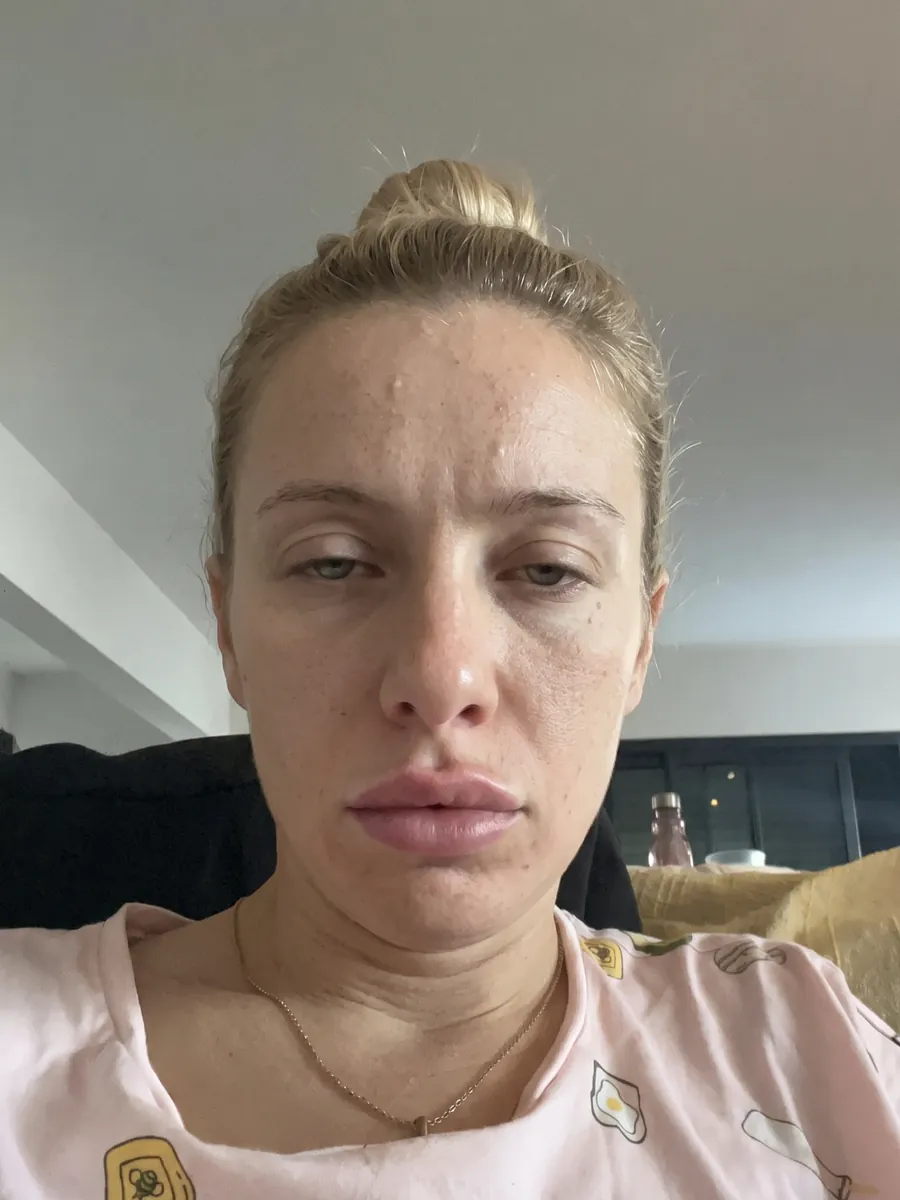
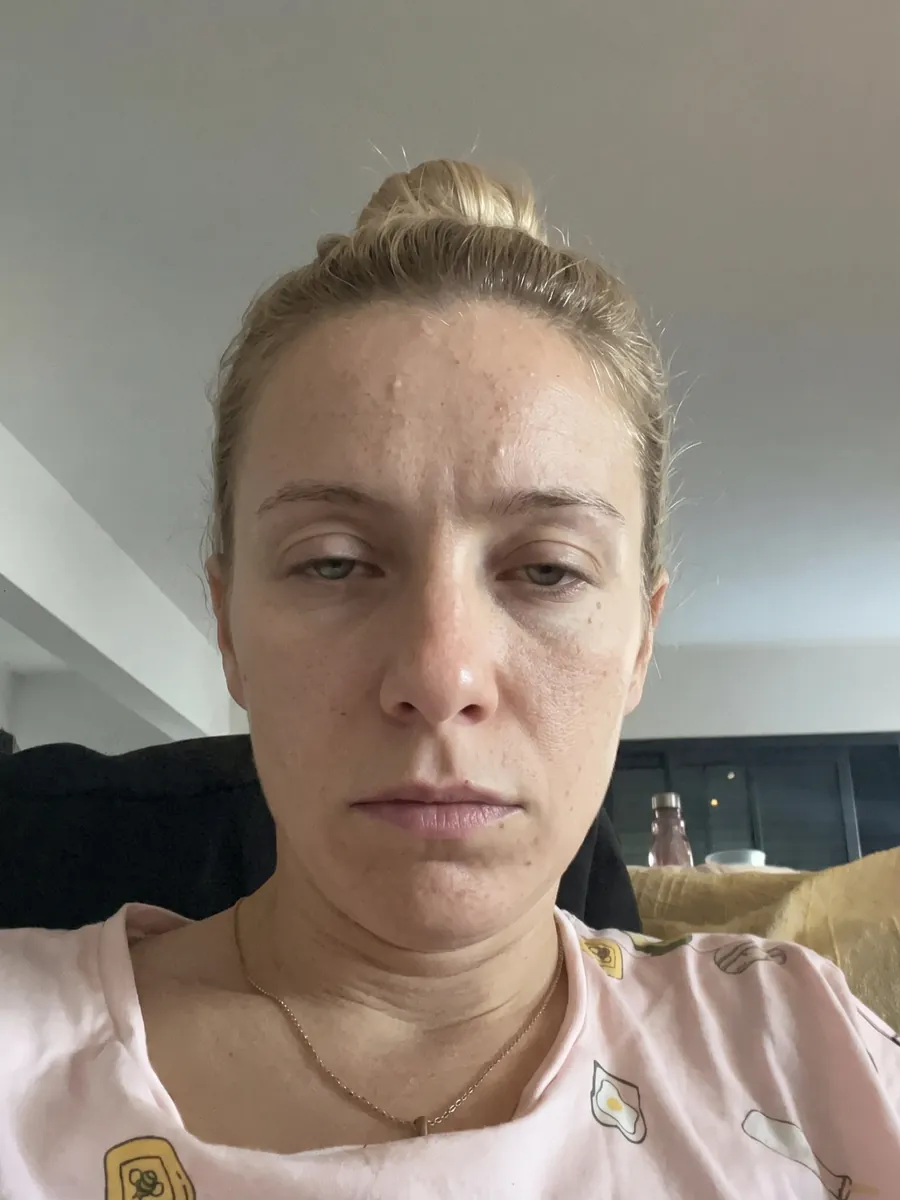
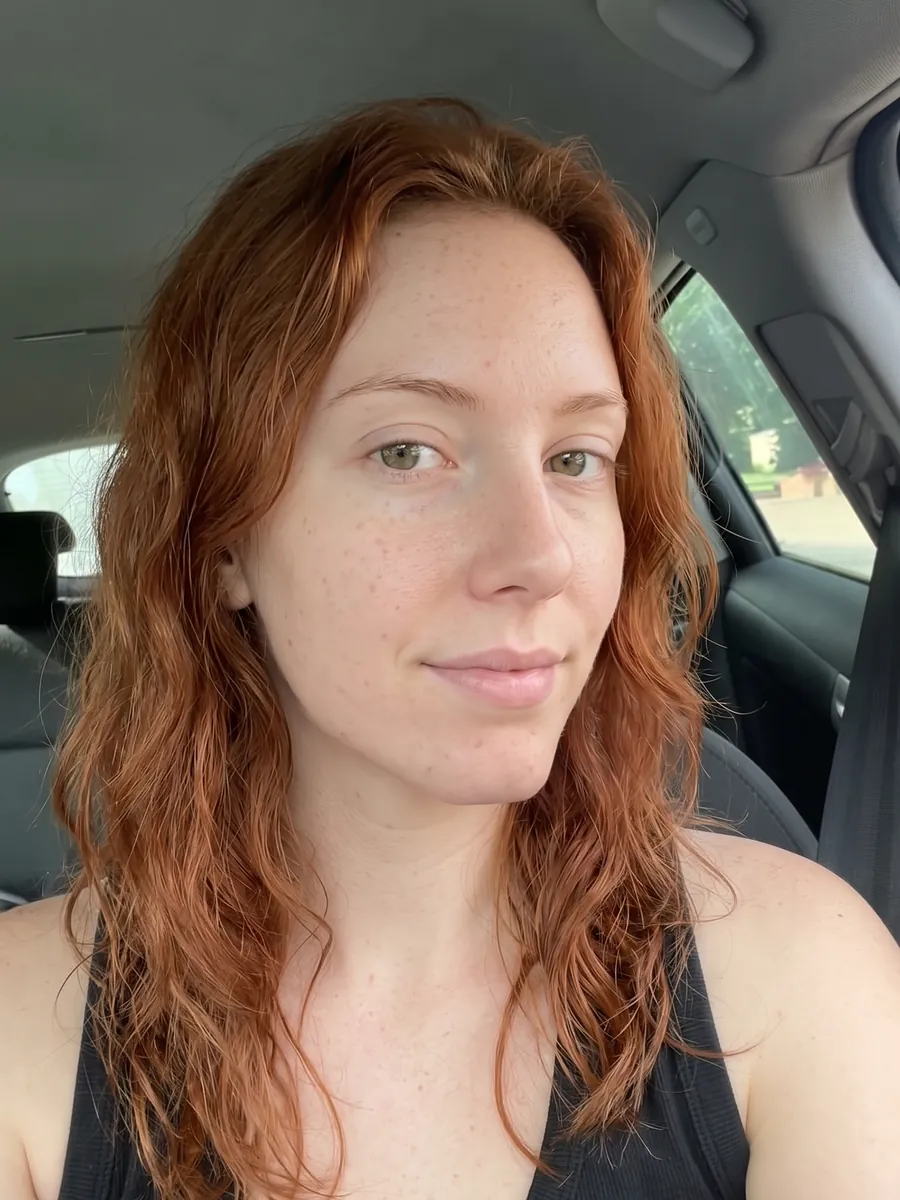
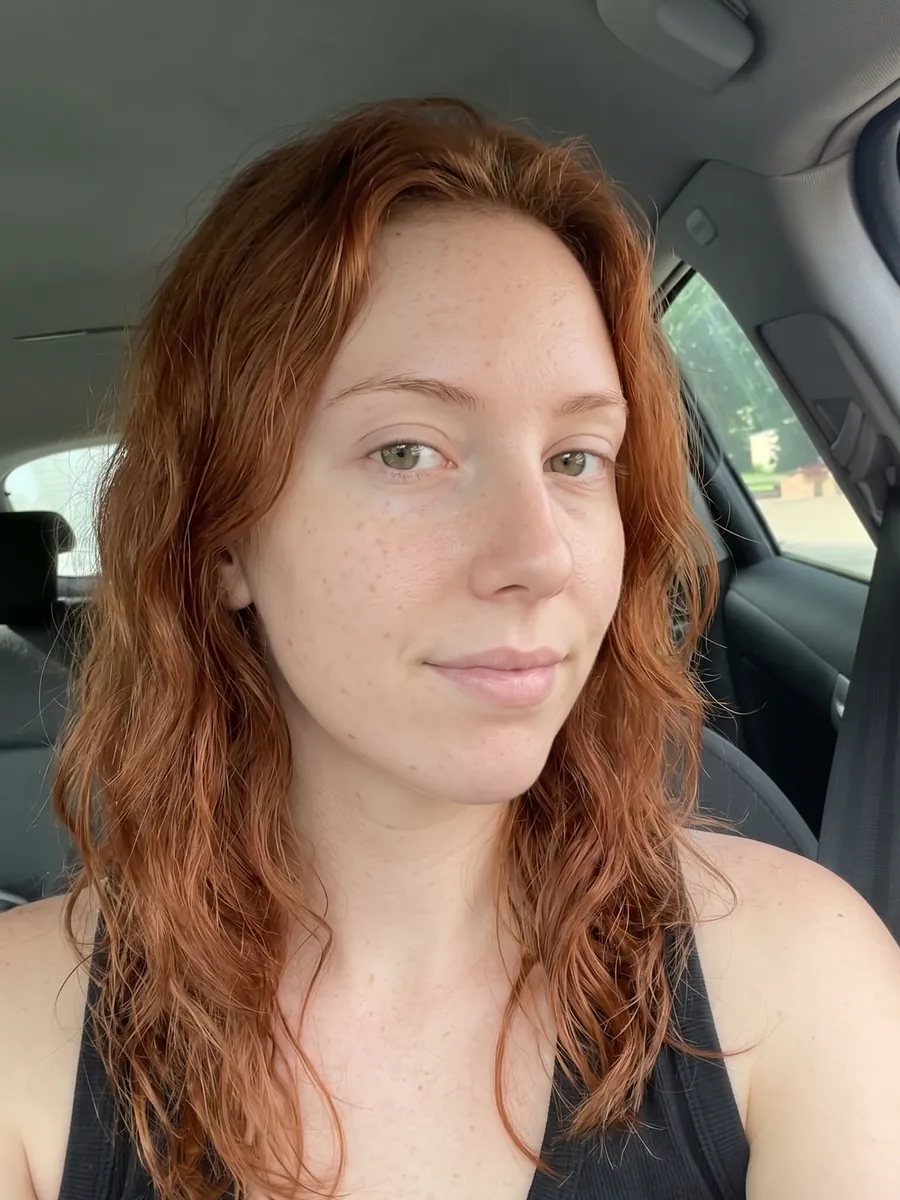
What you'd look like with upper blepharoplasty, on your own face
By Jérémie Aouate, founder of Mevona. Updated October 22, 2026.
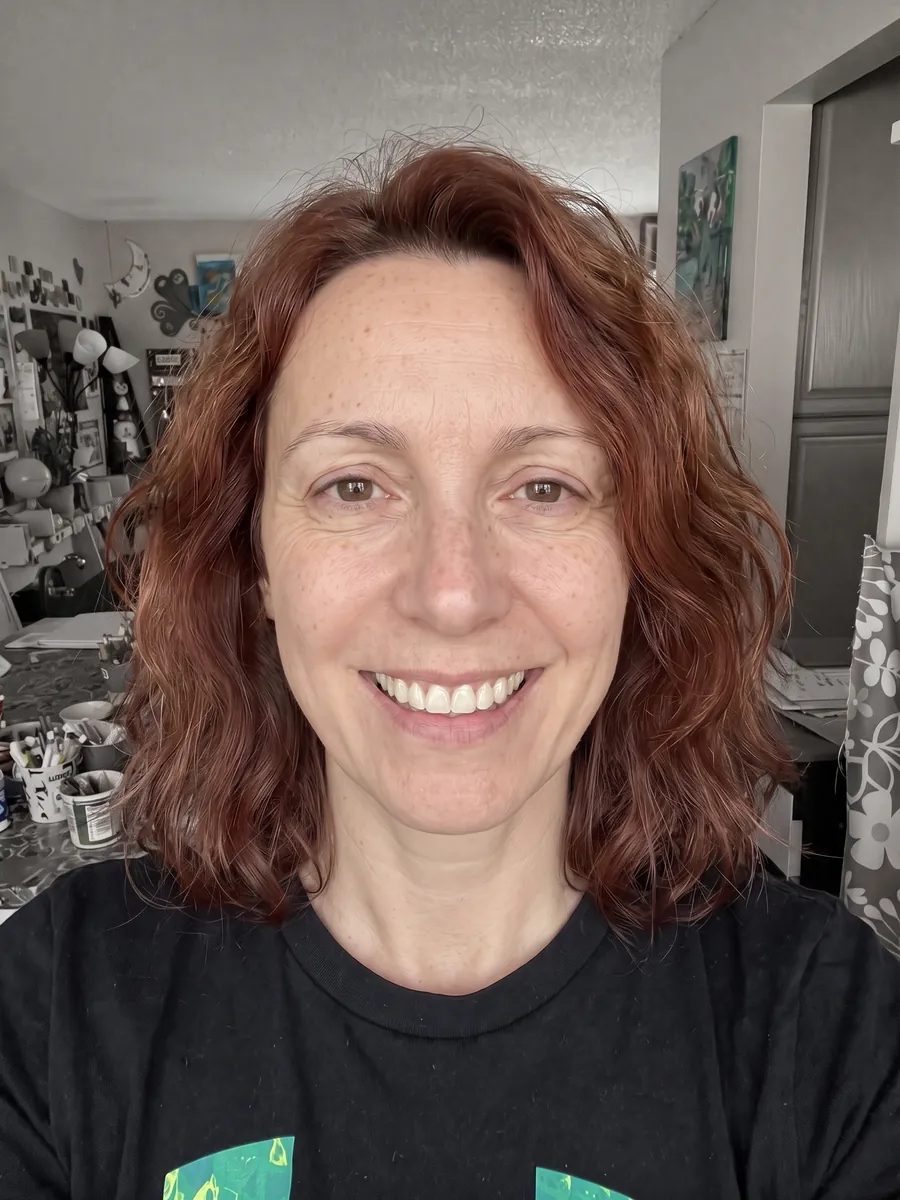
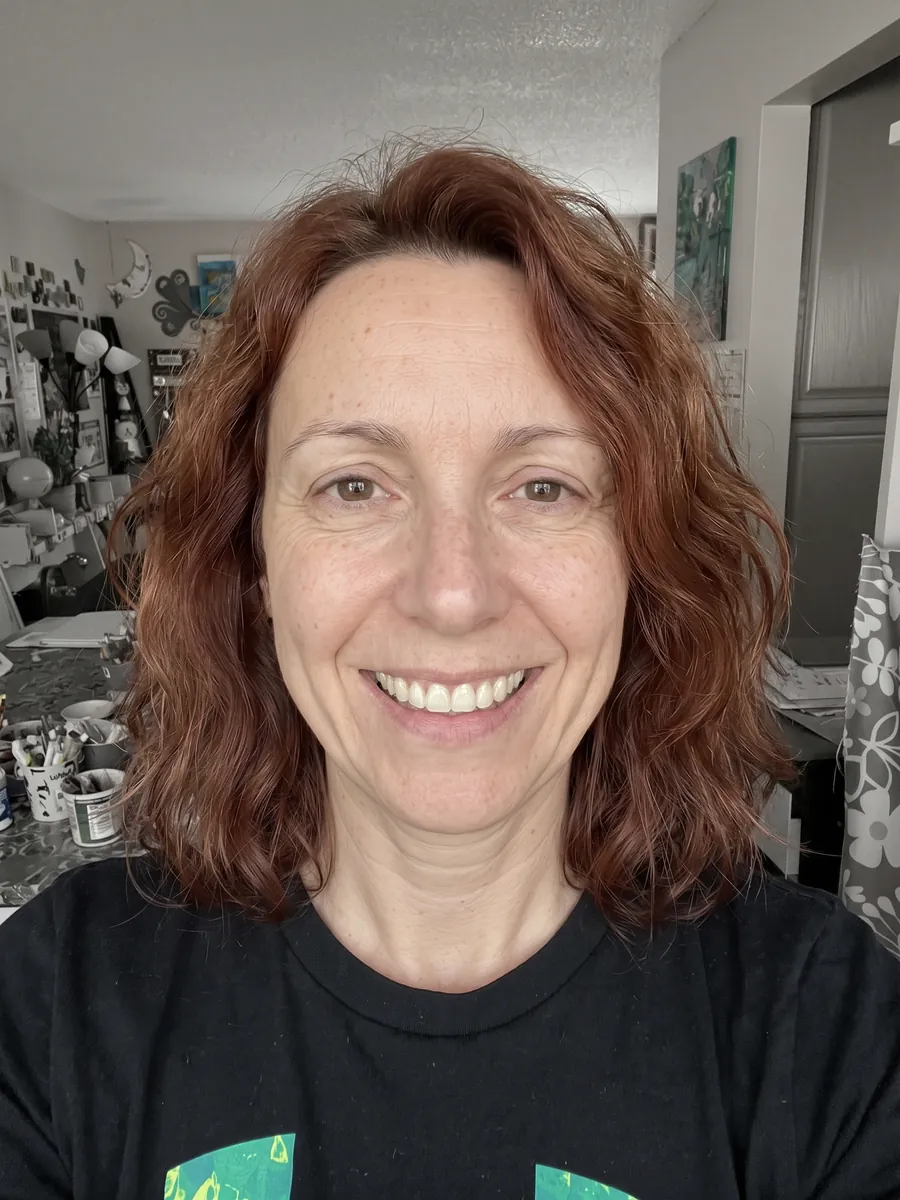
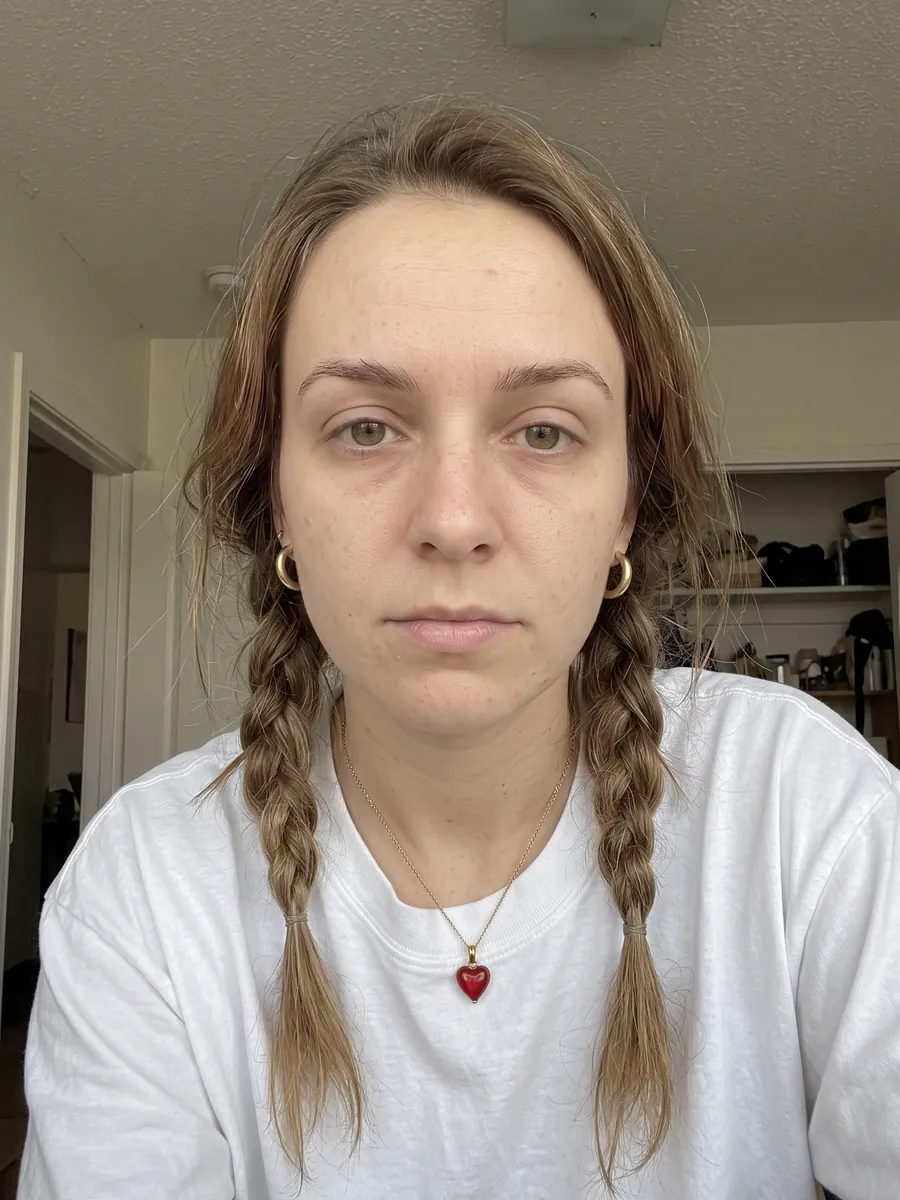
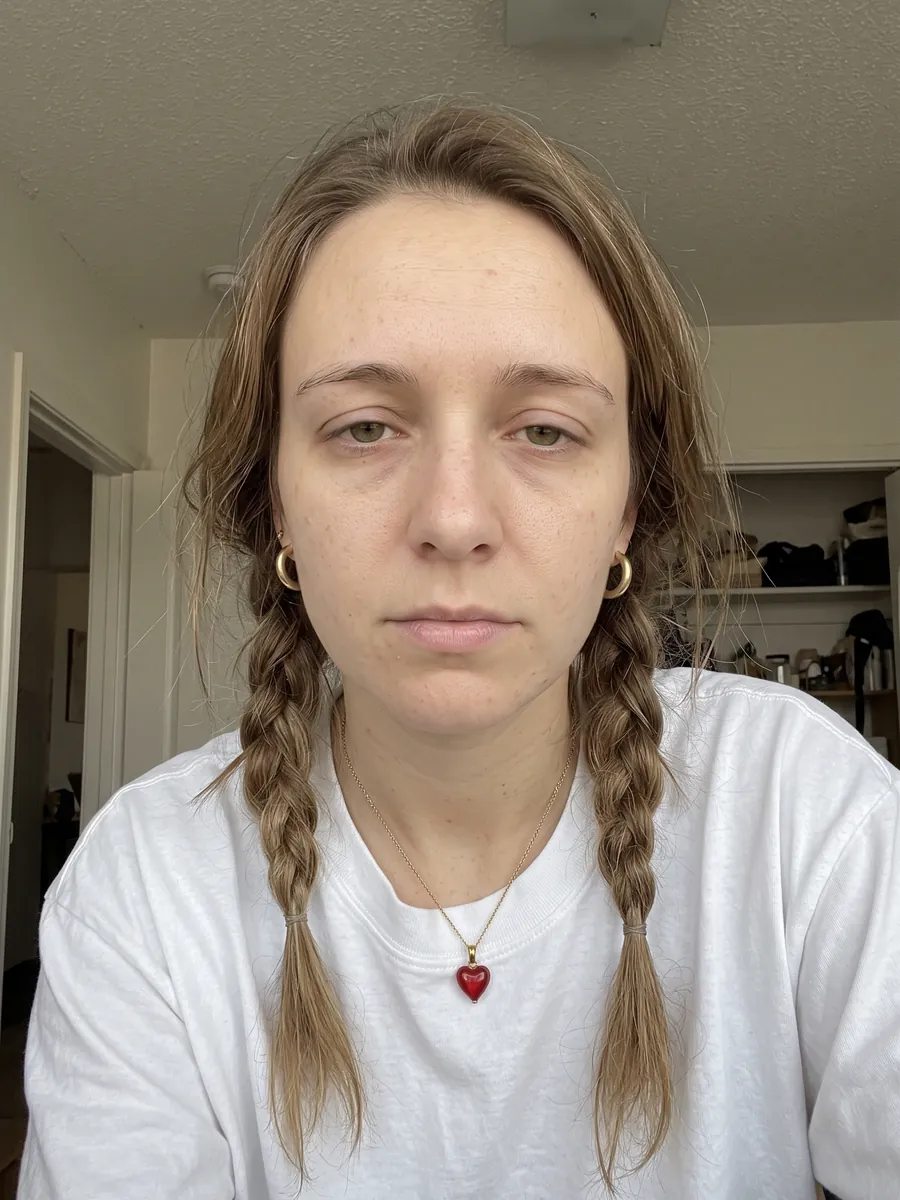
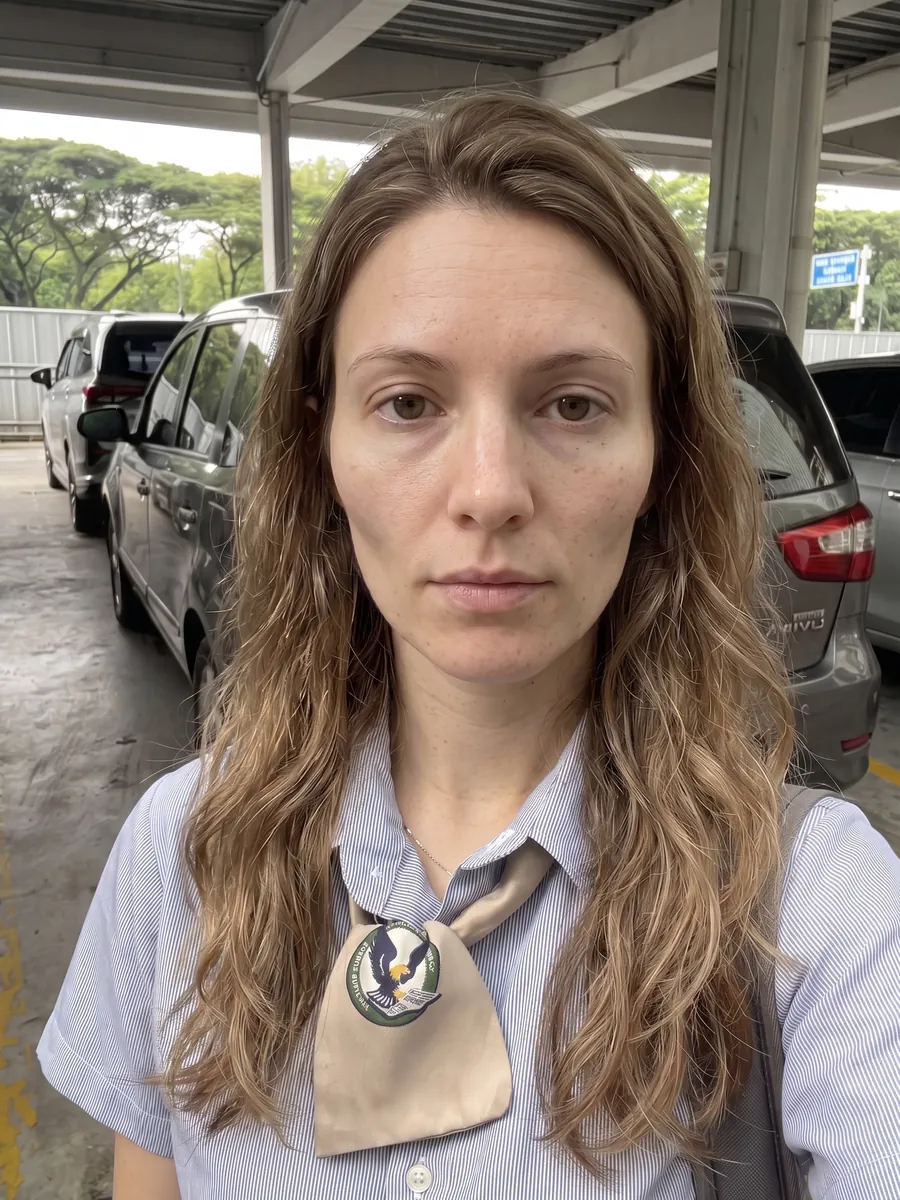
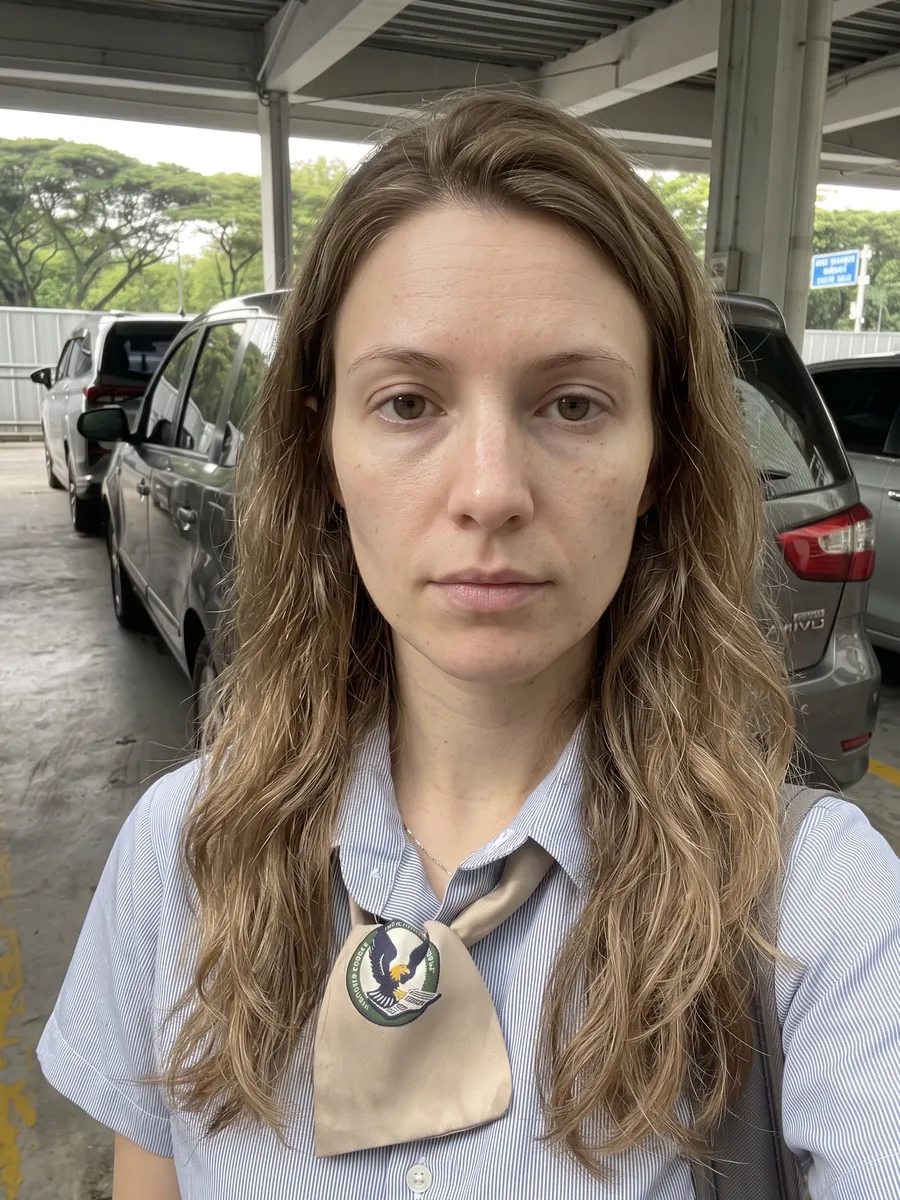
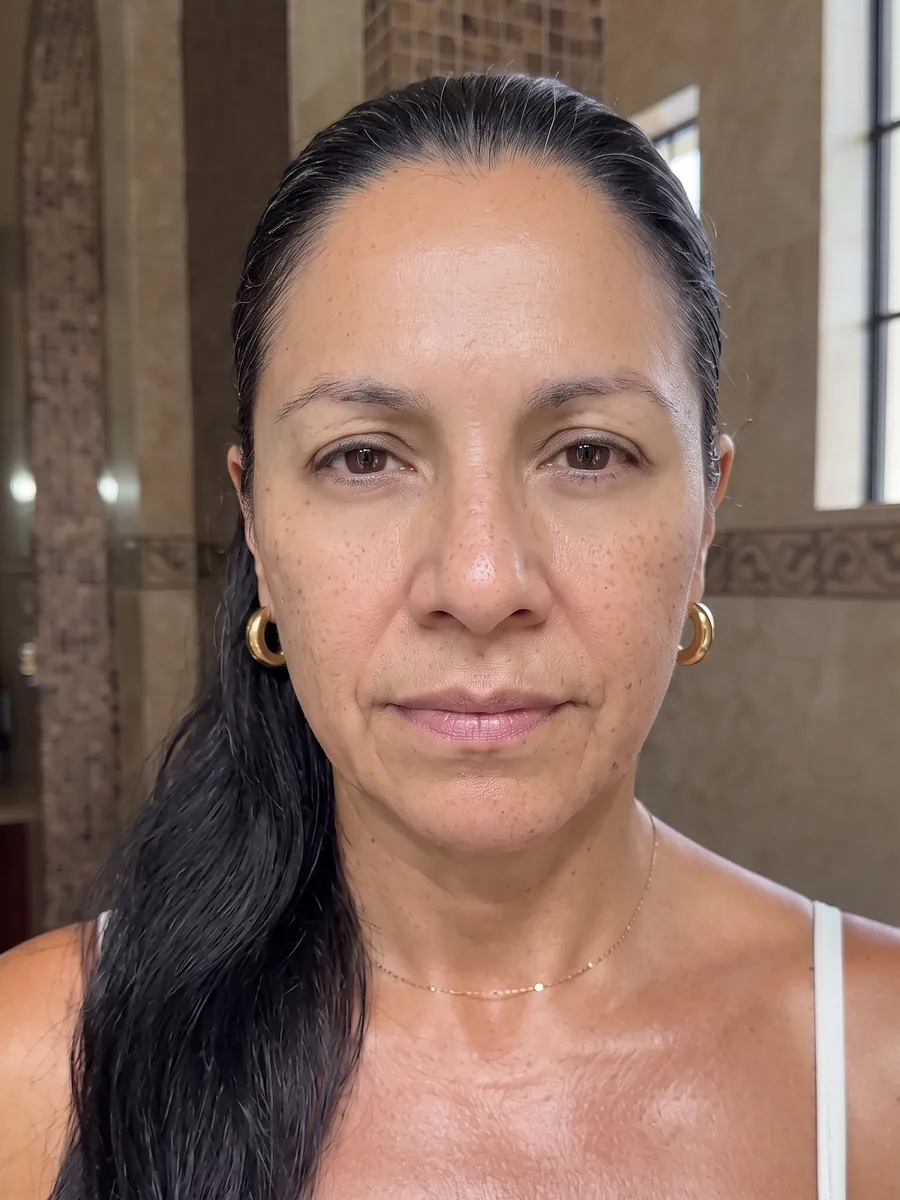
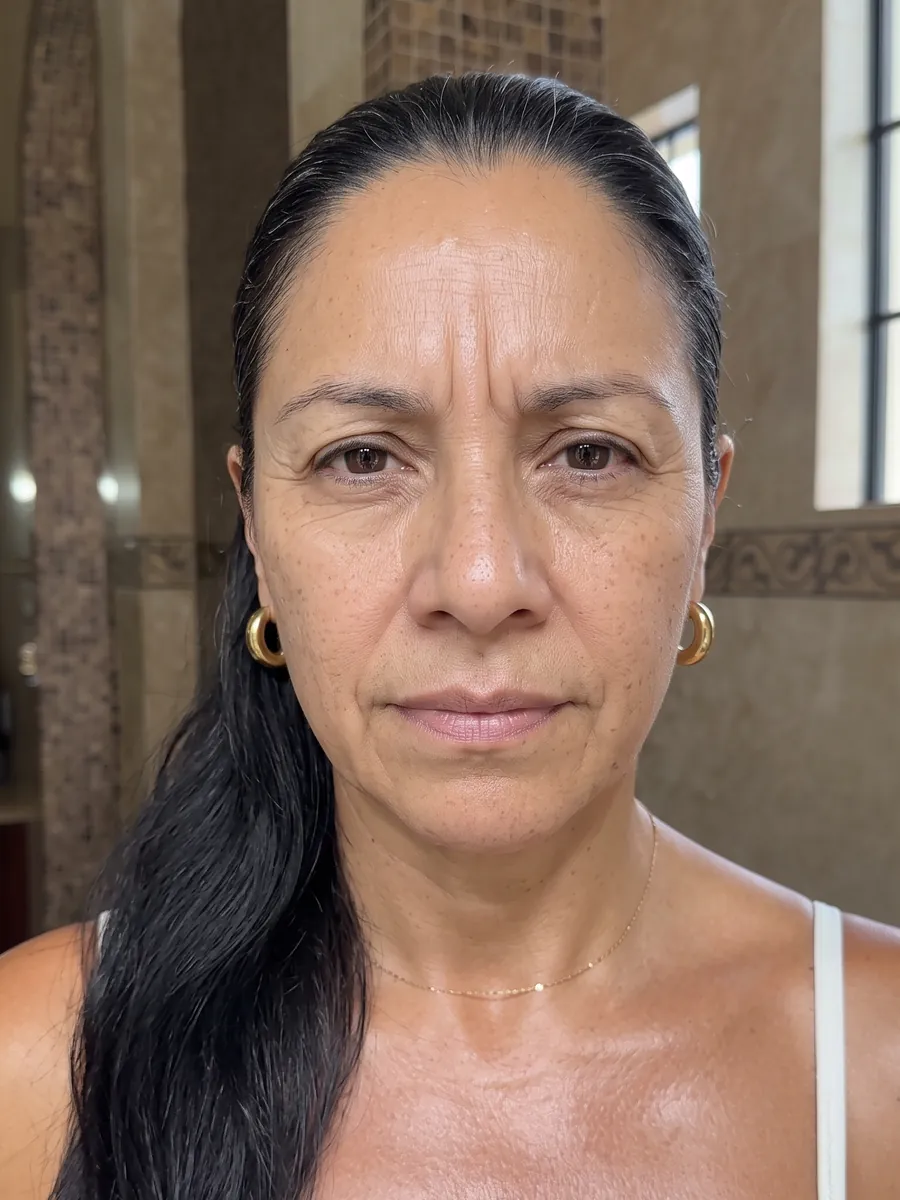
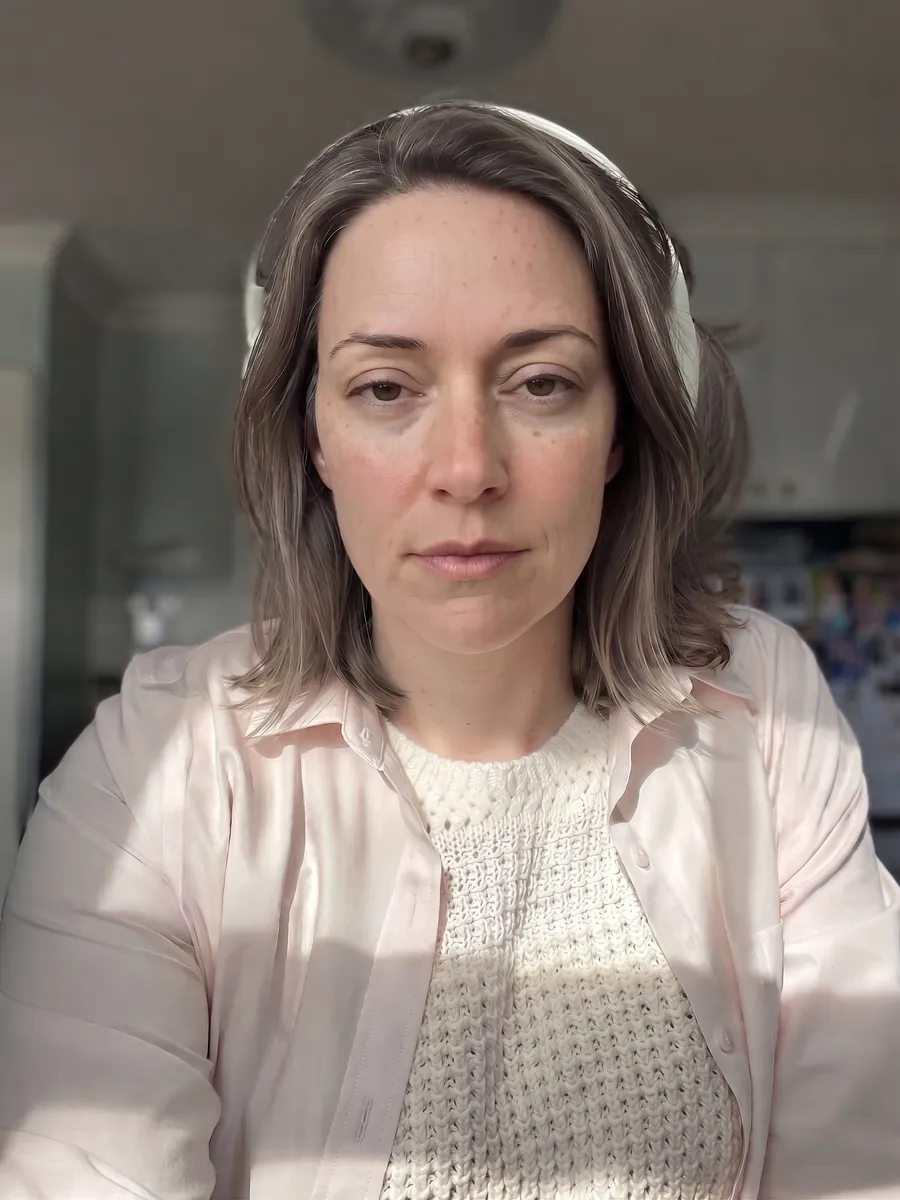
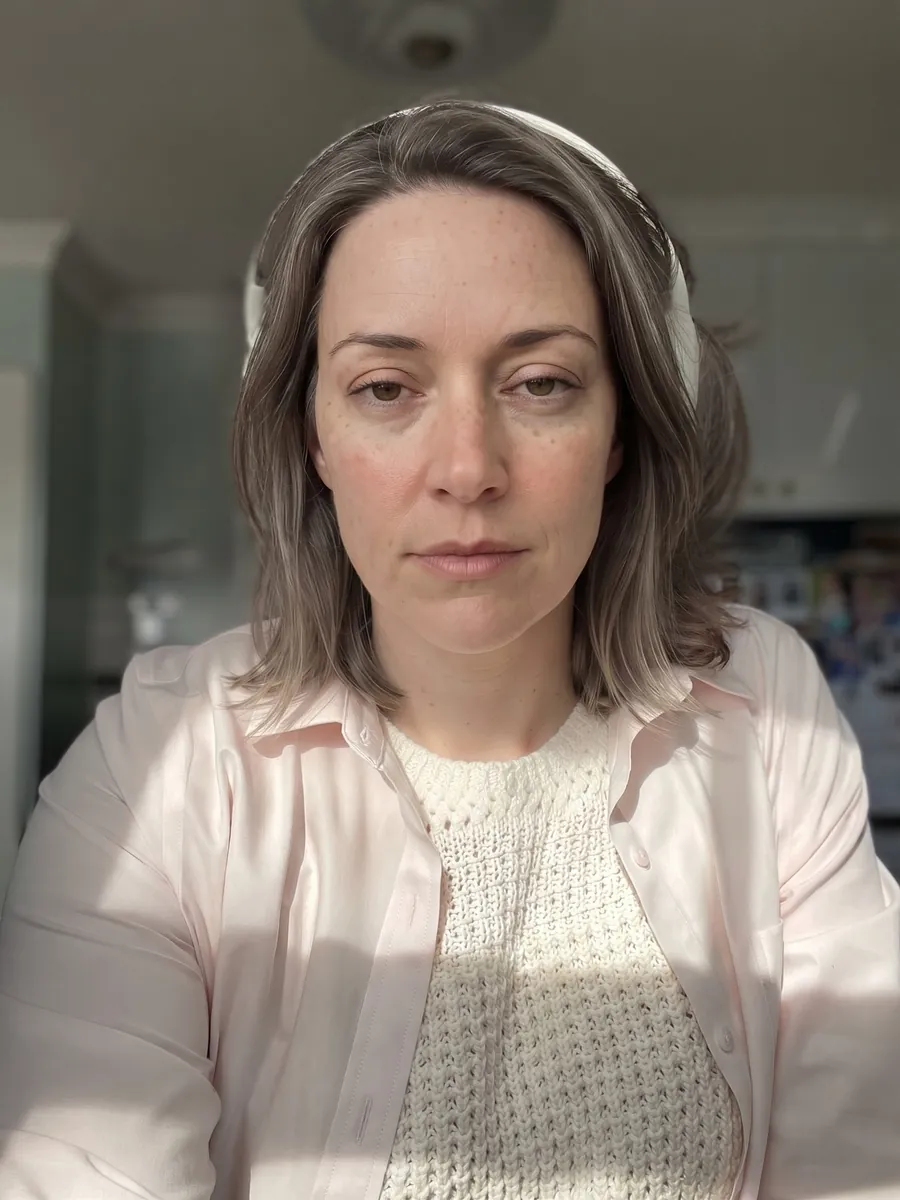
An upper blepharoplasty takes away the extra skin, and sometimes fat, that folds over your upper eyelid, so more of the lid shows between the lashes and the crease. This page shows that change on one face, from the front, at three doses, with the brow left where it is, and how to see it on your own photo. What you see here is a Cosmetic Preview, an illustration of the kind of change, not a predicted result.
In short
- Upper blepharoplasty removes or repositions extra skin, fat and muscle above the eye, through an incision that is hidden when the eye is open, according to Cleveland Clinic. The ASPS names loose or sagging skin that folds over the upper lid, sometimes enough to impair vision.
- Eyelid surgery was the most common surgical procedure in the world in 2024, with more than 2.1 million performed according to the ISAPS global survey. ASPS member surgeons performed 118,978 in the US in 2025, upper and lower lids counted together, up 19 percent.
- The ASPS describes the results as long-lasting. You keep aging naturally around them.
- Average US surgeon fee: $3,359 for an upper blepharoplasty according to the ASPS, before anesthesia and facility fees. No range is published.
- This page shows the lid fold opened at three doses on one face, the brow unchanged, and the question to ask first: eyelid or brow?
What upper blepharoplasty changes
Your upper eyelid has two parts that matter here. Below the crease is the strip of lid that moves up with the lashes when you open your eye. Above the crease is softer skin that runs up to the brow. When that upper skin loosens, it folds down over the crease, sometimes down to the lashes, and fat behind it can add fullness. The ASPS describes the starting points as loose or sagging skin that creates folds or disturbs the natural contour of the upper lid, and fat deposits that show as puffiness. Cleveland Clinic describes the operation as removing or repositioning extra skin, fat and muscle tissue around the eye, through an incision on the upper lid that is hidden when the eye is open.
What moves, then, is the fold. Less skin hangs over the crease, more of the lid shows, and the eye reads more open. What does not move matters as much. The operation works on the lid, not on the eye. The brow is not lifted by it: a 2023 meta-analysis pooling nine studies found the brow sat 1.45 mm lower on average after upper eyelid surgery, and 0.67 mm lower after simple blepharoplasty. In the Cosmetic Preview, everything else stays: the brow, the lower lid, the corners of the eye, the skin, your expression.
If you are worried that it will change the shape of your eyes, there is data. In a 2018 study of 180 eyes in 90 people having surgery for age-related excess lid skin, the height of the eye opening went from 7.48 mm before surgery to 6.53 mm right after, as the lids swelled, then to 7.65 mm at three months. The lid changes; the opening of the eye barely does.
In the Facial Dossier, the eyes have their own section, number 4 of 17. On your front photo it measures the eye aspect ratio of each eye and the eye spacing ratio. The brows are read separately in section 3, which measures brow separation in millimeters. Each section ends with one of three verdicts: keep, change, or discuss. Reading the eyes and the brows as two sections is a first way into the question this page keeps coming back to: eyelid or brow?
Where you'd stop: subtle, moderate, full
Mevona shows every procedure at three doses on the same photo. They are not surgical plans. They are three distances along the same direction, so you can see where you would want to stop. The names below are the ones you will see in the app.
Subtle: a touch more open eye
The fold over the crease is lighter, and a thin line of lid appears above the lashes, mostly on the outer half of the eye. From a normal distance, the face reads rested rather than changed. This is the dose to look at if the heaviness shows mostly in photos or at the end of the day.
Moderate: a visible lid fold
The crease is now clearly drawn, and a band of lid shows between the lashes and the fold across the whole width of the eye. Eye make-up has a surface to sit on again. The brow has not moved, which is the point of this dose: it shows what the eyelid alone can do.
Full: a fully opened lid
The skin no longer folds over the crease at any point, and the lid shows from the inner corner to the outer corner. This is the largest change the preview shows in one pass. If the eye still looks heavy at this dose, look at the brow next, because the weight may be sitting above the lid rather than on it.
Surgeons do not work in doses. They remove or reposition skin, fat and muscle, as Cleveland Clinic puts it, and how much depends on your lid, your brow and your skin. Blepharoplasty is planned on your lid, not in milliliters or units, so this page gives no real-world equivalent for the doses. The three doses are a way of looking, not a menu. What is achievable on your eyelids is a conversation to have with a qualified professional, with your photos and the preview in hand if you like.
Why the front view
Upper blepharoplasty is a front-view procedure. The fold of skin, the band of lid it hides, the crease and the distance up to the brow all face the camera. That is where people notice a heavy lid, in photos and in the mirror, and where the change shows.
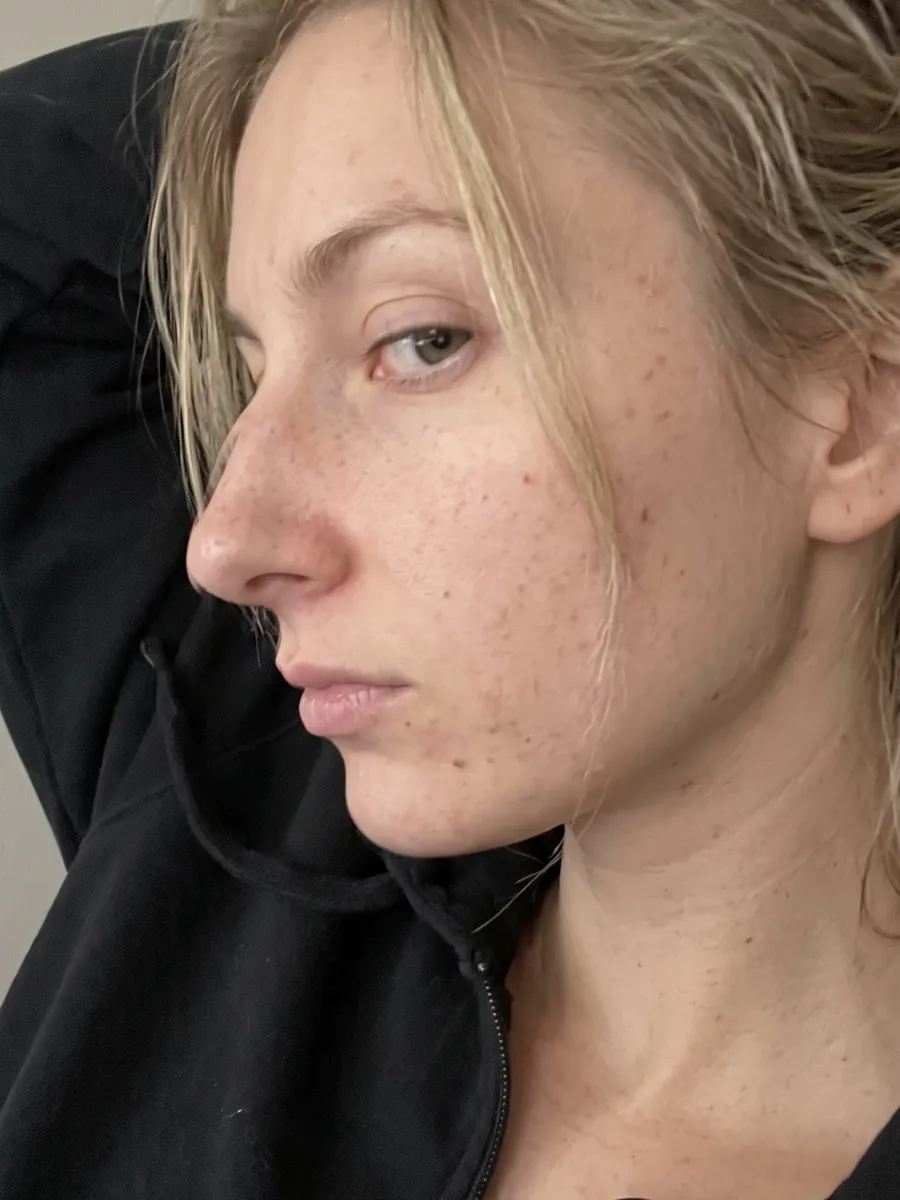
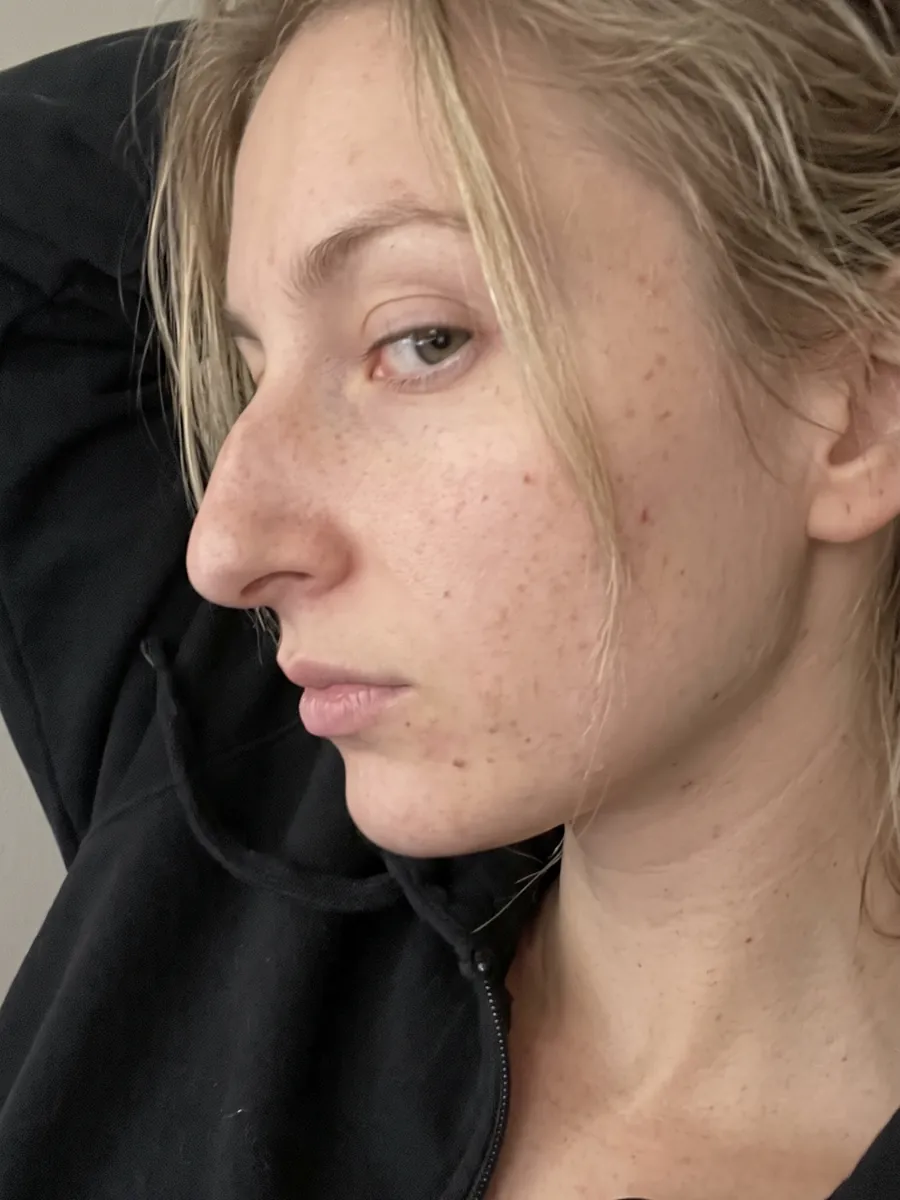
In profile, the upper lid is a short curve behind the lashes. Hooding shows there as a slight overhang, but the crease and the visible band of lid are hidden, so a profile view says little about where you would want to stop. That is why this page shows the front only.
Mevona still asks for three photos, front and both sides, because the Facial Dossier reads the whole face, and because some procedures you may compare with, such as lower blepharoplasty, also read in profile. Look at the front view at arm's length first, then closer: a dose that looks small up close can read differently across a room.
Techniques and variants
Upper blepharoplasty covers a few operations that share the same incision line:
- Skin removal. Extra skin is taken away through an incision in the natural crease of the lid, hidden when the eye is open, according to Cleveland Clinic. This is the change the three doses on this page illustrate.
- Skin and fat. Cleveland Clinic describes fat being removed or repositioned along with skin and muscle, and the ASPS names fat deposits that show as puffiness as one of the starting points.
- Functional blepharoplasty. When the skin hangs in front of the eye, Cleveland Clinic notes that upper-lid surgery can be medically necessary to improve peripheral vision. The ASPS also mentions skin that sometimes impairs vision.
- Double eyelid surgery. A variant that creates an upper lid crease. In the 2023 meta-analysis, the brow sat 2.52 mm lower on average after it, against 0.67 mm after simple blepharoplasty.
- Ptosis correction. A different operation, on a lid whose edge itself droops. The same meta-analysis counted it separately, with an average brow descent of 2.10 mm.
- With a brow lift. Cleveland Clinic lists eyelid surgery among the procedures done at the same time as a brow lift, and says a surgeon could offer both.
- With lower blepharoplasty. Upper and lower lids in one operation, which Cleveland Clinic says takes closer to two hours. See lower blepharoplasty.
Who usually considers it
People arrive at this page from a few starting points: a fold of skin that sits on the lashes, eye make-up that disappears into the crease by midday, photos where the eyes look tired while the person feels rested, or a lid heavy enough to get in the way of side vision. Cleveland Clinic links these changes to age, as skin loses some of its elasticity and fullness. The ISAPS survey reports that eyelid surgery was the most popular surgical procedure among men worldwide in 2024, and second among women after liposuction.
None of that says whether upper blepharoplasty is right for a given face. That is not something a page or a preview can tell you, and the first question, eyelid or brow, is answered on examination. What a preview can do is show you the direction and the distance, so that when you discuss it with a qualified professional, you already know which dose you were picturing and whether the brow was part of it. The concern page goes deeper on the starting point most people name: hooded eyes.
Upper blepharoplasty vs brow lift
Eyelid or brow? Hooding can come from either, and often from both. Cleveland Clinic lists sagging eyebrows, which it calls hooded eyes, among the reasons for a brow lift, and describes blepharoplasty as removing excess skin, muscle or tissue from the lids. The two work on different areas.
| Upper blepharoplasty | Brow lift | |
|---|---|---|
| What it is | Surgery on the upper lid through an incision in the crease | Surgery that repositions the forehead and brows, through incisions in the scalp or along the hairline |
| What it can do | Remove or reposition extra skin, fat and muscle over the eye, according to Cleveland Clinic | Raise sagging brows and soften forehead wrinkles, according to Cleveland Clinic |
| What it cannot do | Lift a low brow: the brow sat 1.45 mm lower on average after upper eyelid surgery in a 2023 meta-analysis | Change the shape of the eyes or remove baggy eyelids, according to Cleveland Clinic |
| How long it lasts | Long-lasting, according to the ASPS, while the face keeps aging | Permanent, according to Cleveland Clinic, though wrinkles can return with age |
| Recovery | Stitches for about a week, usual routine after one to two weeks | Back to work or school within 10 to 14 days, forehead fully healed in up to six months |
| Reversibility | Not reversible | Not reversible |
| Risks named by the source | ASPS: dryness, difficulty closing the eyes, scarring, vision changes, revision | Cleveland Clinic: scarring, numbness, limited brow movement, hair loss around the incisions, asymmetry |

The preview on this page illustrates the eyelid change with the brow left in place. The full comparison, both procedures at the same dose on one face, is on upper blepharoplasty vs brow lift. A nonsurgical option for the brow has its own page: botox brow lift.
Cost, recovery, risks
Cost
| Typical range | $3,359 to $3,359 |
|---|---|
| Source | ASPS average surgeon fee, no range published; it excludes anesthesia, operating room facilities and other related expenses |
Indicative. A quote depends on the technique, the city and the practice.
The ASPS average of $3,359 for an upper blepharoplasty is the surgeon's fee alone. The ASPS says it does not include anesthesia, operating room facilities or other related expenses, and lists prescriptions and medical tests among the other costs. No range is published, so the table shows the average at both ends. When skin blocks side vision, Cleveland Clinic notes the surgery can be medically necessary; whether that changes what you pay is a question for your insurer.
Recovery
- Day 0Surgery under anesthesia, 30 minutes to two hours according to Cleveland Clinic, closer to two hours when the lower lids are done too. You go home the same day.
- Week 1Stitches stay in for about a week. Bruising and some swelling fade gradually, and the eyes may feel dry for a few weeks, according to Cleveland Clinic.
- Week 2The ASPS says most people are presentable in 10 to 14 days. Cleveland Clinic says most return to their usual routine after a week or two.
- Month 1In a study of 180 eyes, the height of the eye opening dipped with swelling right after surgery and was back near its starting value at one month.
- Month 3 and afterFinal healing can take a few months, according to the ASPS. In the same study, the eye opening measured 7.65 mm at three months, against 7.48 mm before surgery.
Two sources frame the timeline. Cleveland Clinic describes a same-day operation of 30 minutes to two hours, stitches for about a week, a return to the usual routine after a week or two, eyes that may feel dry for a few weeks, and a few months to recover completely. The ASPS puts being presentable at 10 to 14 days, notes that final healing can take a few months, and recommends ongoing sun protection to help maintain the result. The 2018 study of 180 eyes adds a measured curve: the eye opening narrowed with swelling right after surgery and was back near its starting height within a month.
Risks
The ASPS lists the known risks of eyelid surgery: anesthesia risks, bleeding from the incision lines, changes in skin sensation or numbness of the eyelashes, difficulty closing the eyes, dryness, infection, pain that may persist, sensitivity to sun or bright light, swelling and bruising, unfavorable scarring, a temporary or even permanent change in vision with a very rare chance of blindness, and the possible need for revision surgery. Ectropion and lid lag, which the ASPS also lists, concern the lower lid. Cleveland Clinic adds skin discoloration or folding.
The 2023 meta-analysis gives one side effect a scale: across the pooled studies, the brow sat 1.45 mm lower after upper eyelid surgery, more after double eyelid surgery (2.52 mm) and ptosis correction (2.10 mm) than after simple blepharoplasty (0.67 mm), while the shape of the brow did not change significantly. Your own risk depends on your anatomy, your health and the operation planned, and belongs in a consultation with a qualified professional. Cosmetic Previews are illustrative and do not predict the result of any procedure.
Often combined with
Two combinations come up often enough that Mevona previews them on the same photo:
- Lower blepharoplasty. Upper and lower lids frame the same eye, and Cleveland Clinic notes both can be done in one operation. Seeing both on one photo shows whether an opened upper lid still sits above tired lower lids. See lower blepharoplasty.
- Brow lift. When part of the hooding comes from the brow, the eyelid alone leaves it in place, and Cleveland Clinic says a surgeon could offer both procedures. See brow lift.
The combination previews use the moderate dose of each procedure, from the front.
Send three photos from your phone, front and both sides, in your own light. Pick upper blepharoplasty and a dose, and see the fold over your lid open while your brow, your lower lids and everything else stay as they are. Then try a brow lift on the same photo and compare: eyelid, brow, or both. Your Facial Dossier follows within 24 hours, with the eyes and the brows measured and read in their own sections, and previews are available while you wait. One membership, $99 a year, all 29 procedures, cancel anytime. Take your time, then decide.