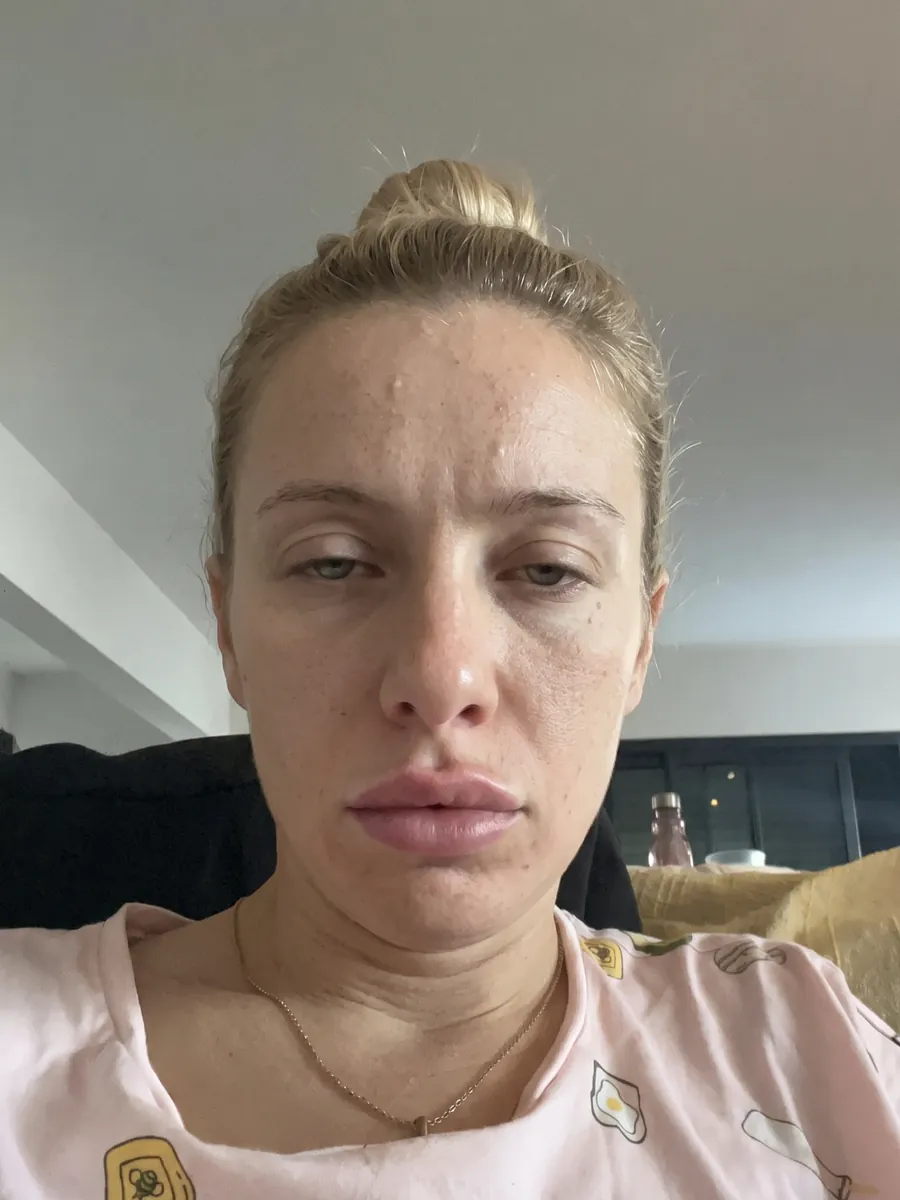
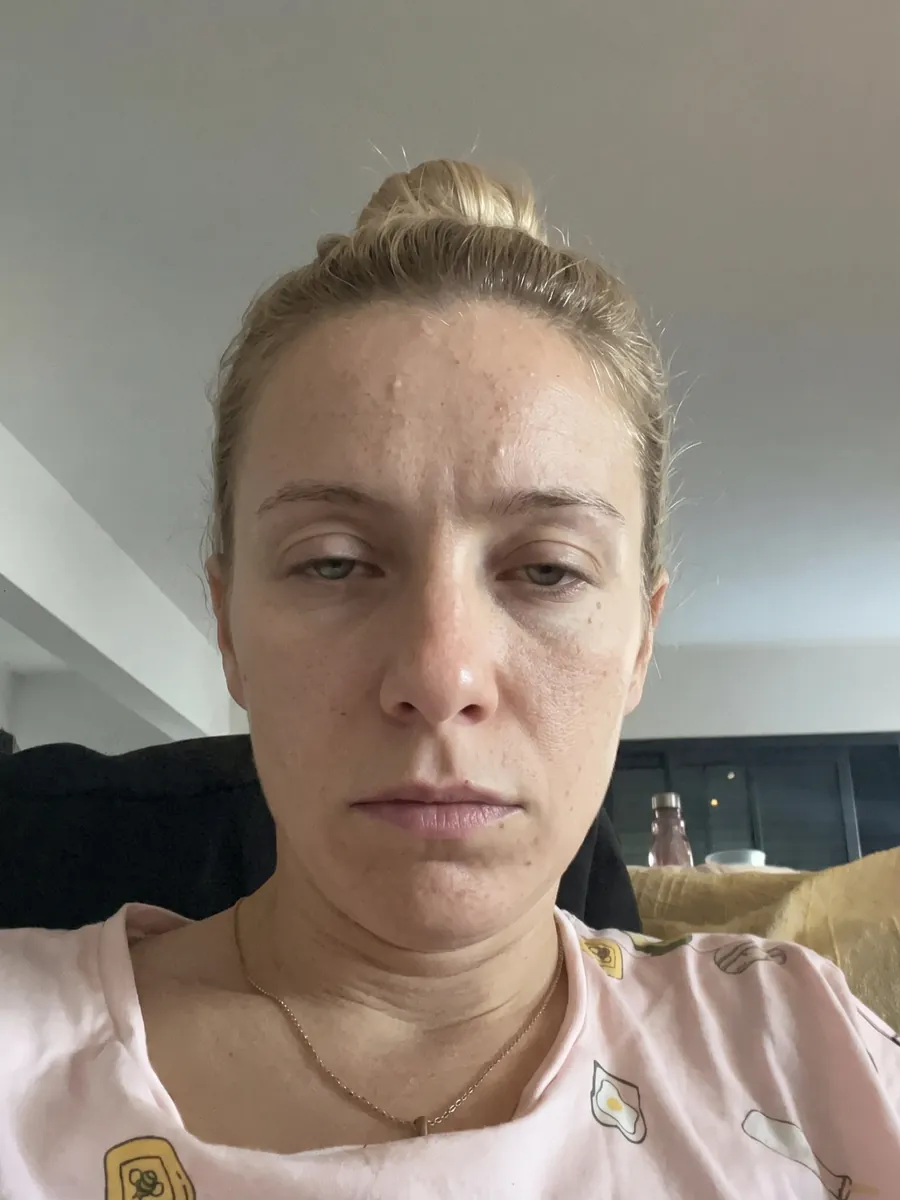
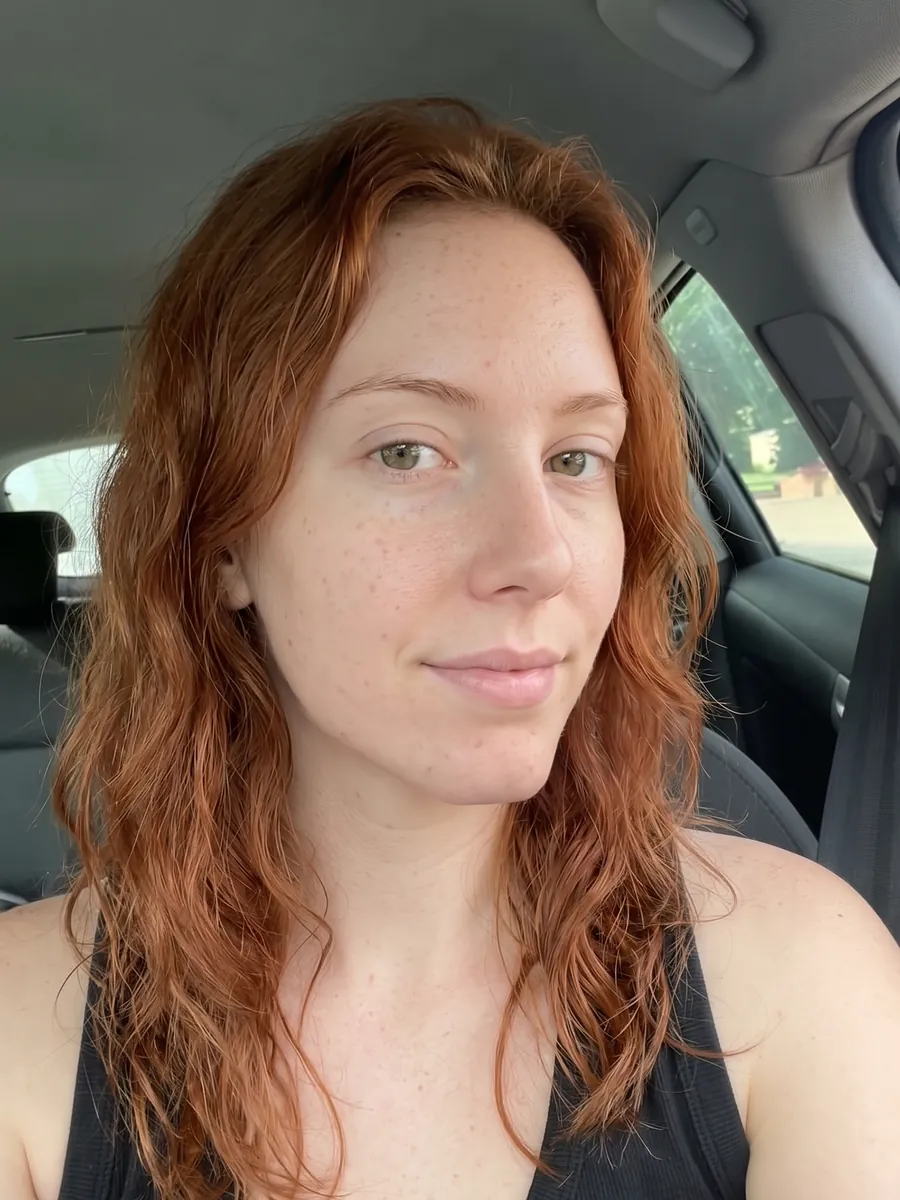
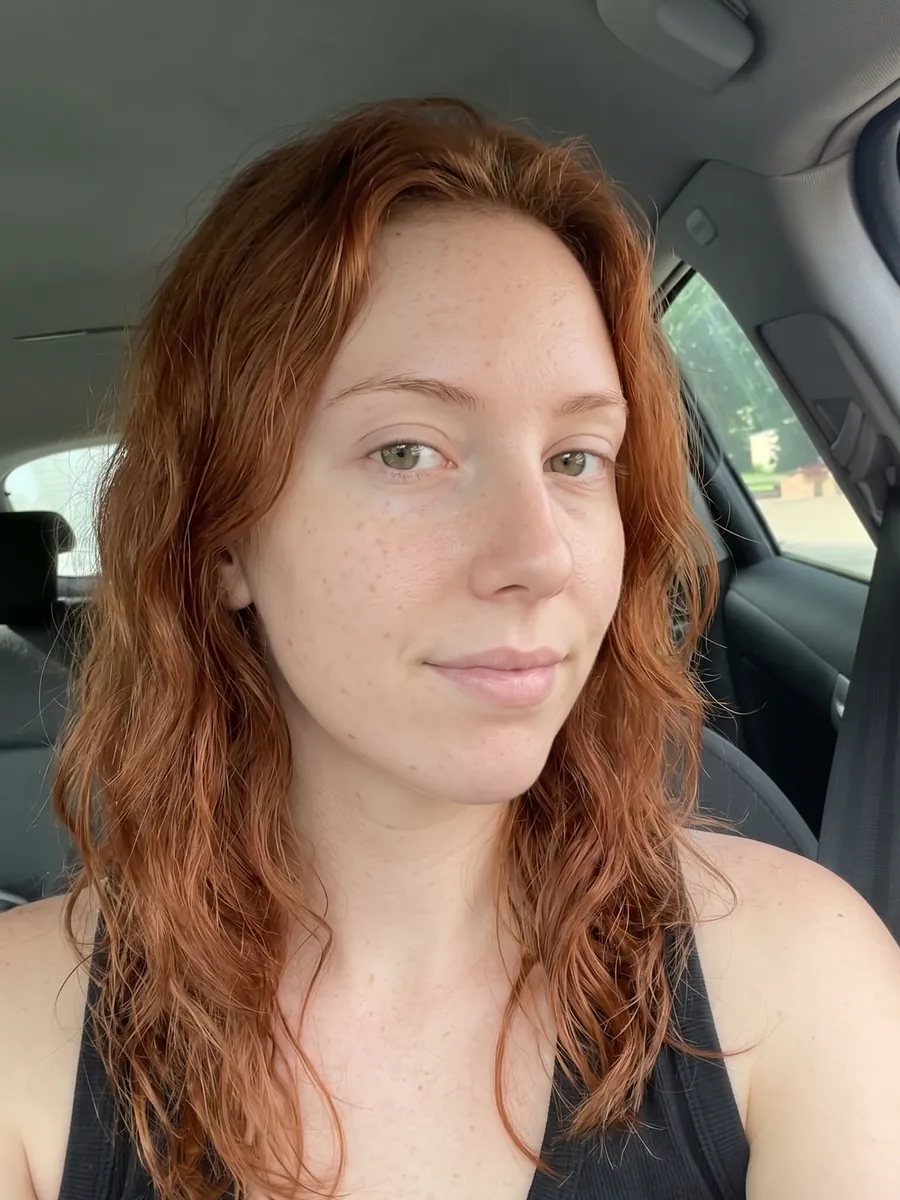
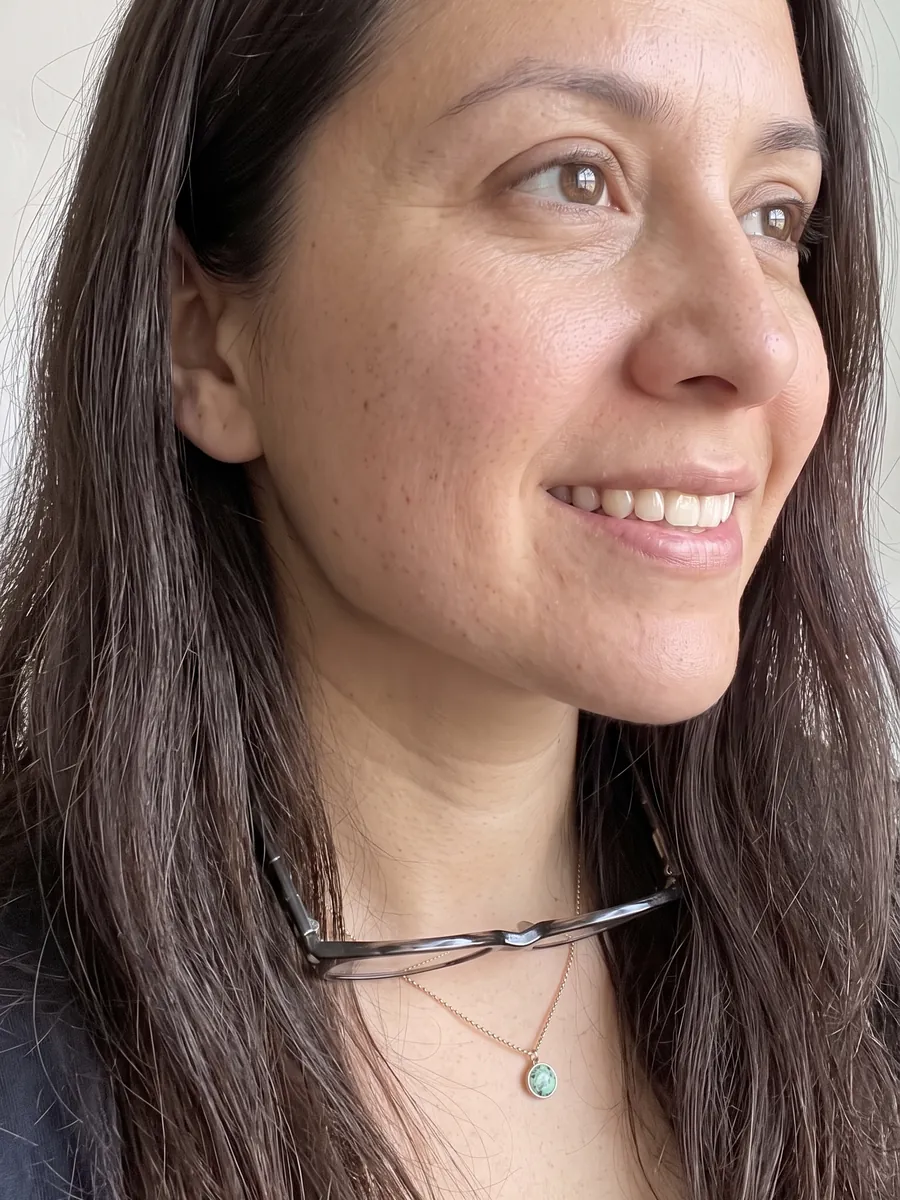
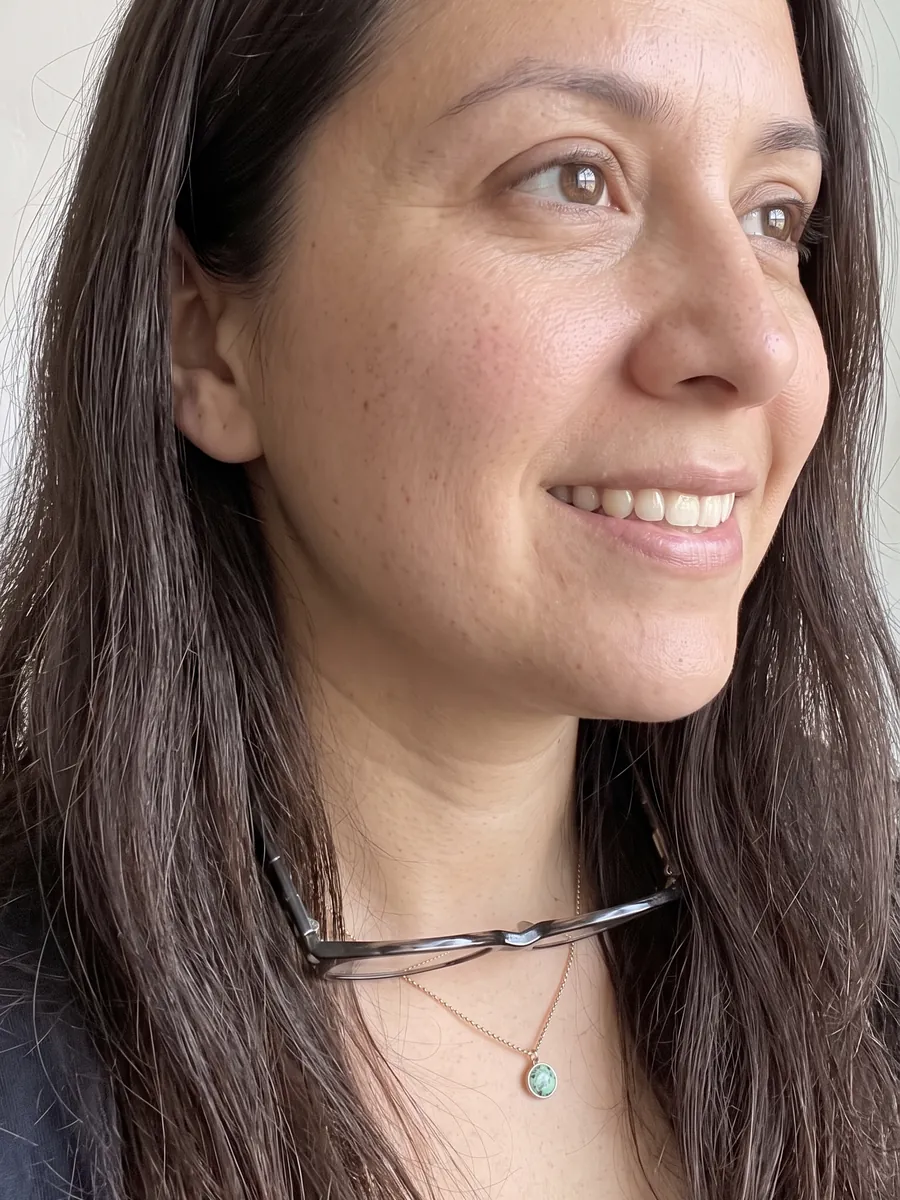
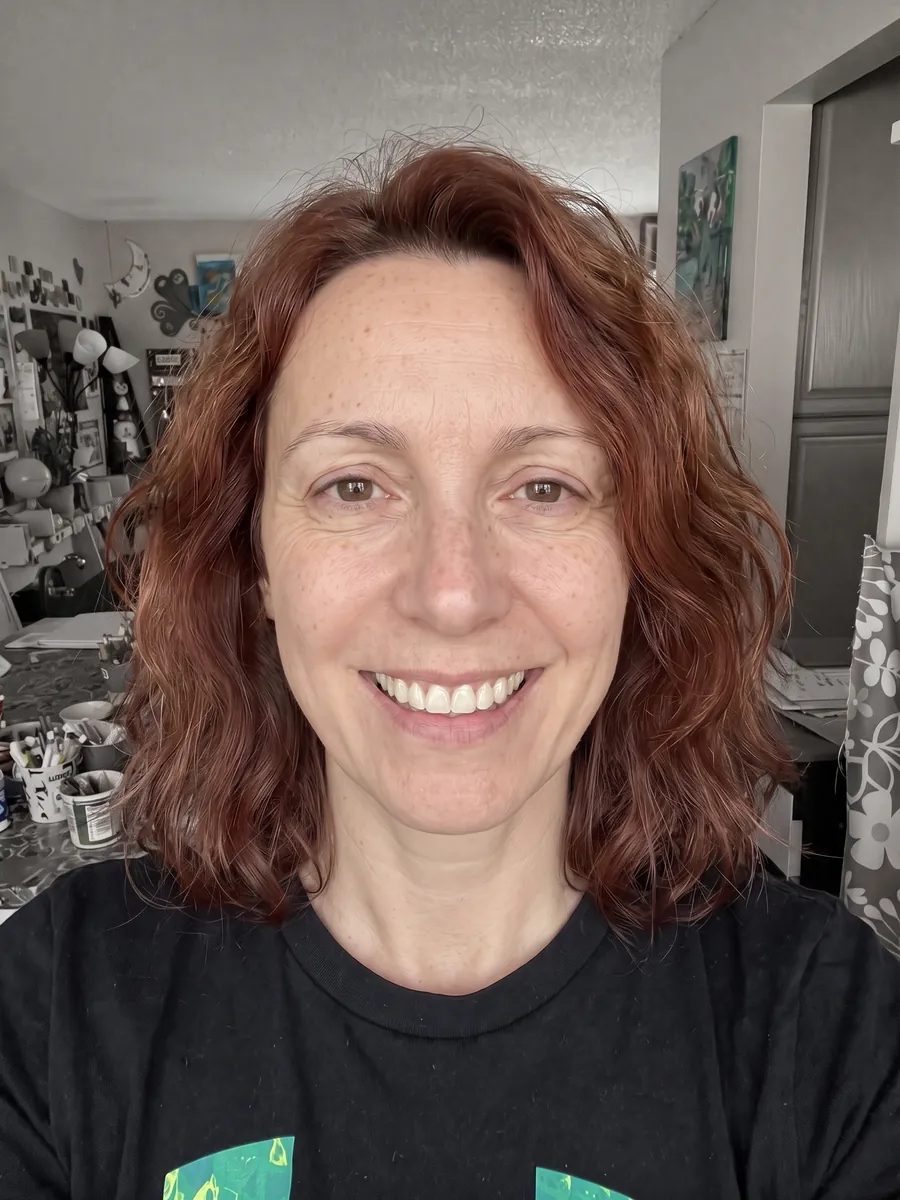
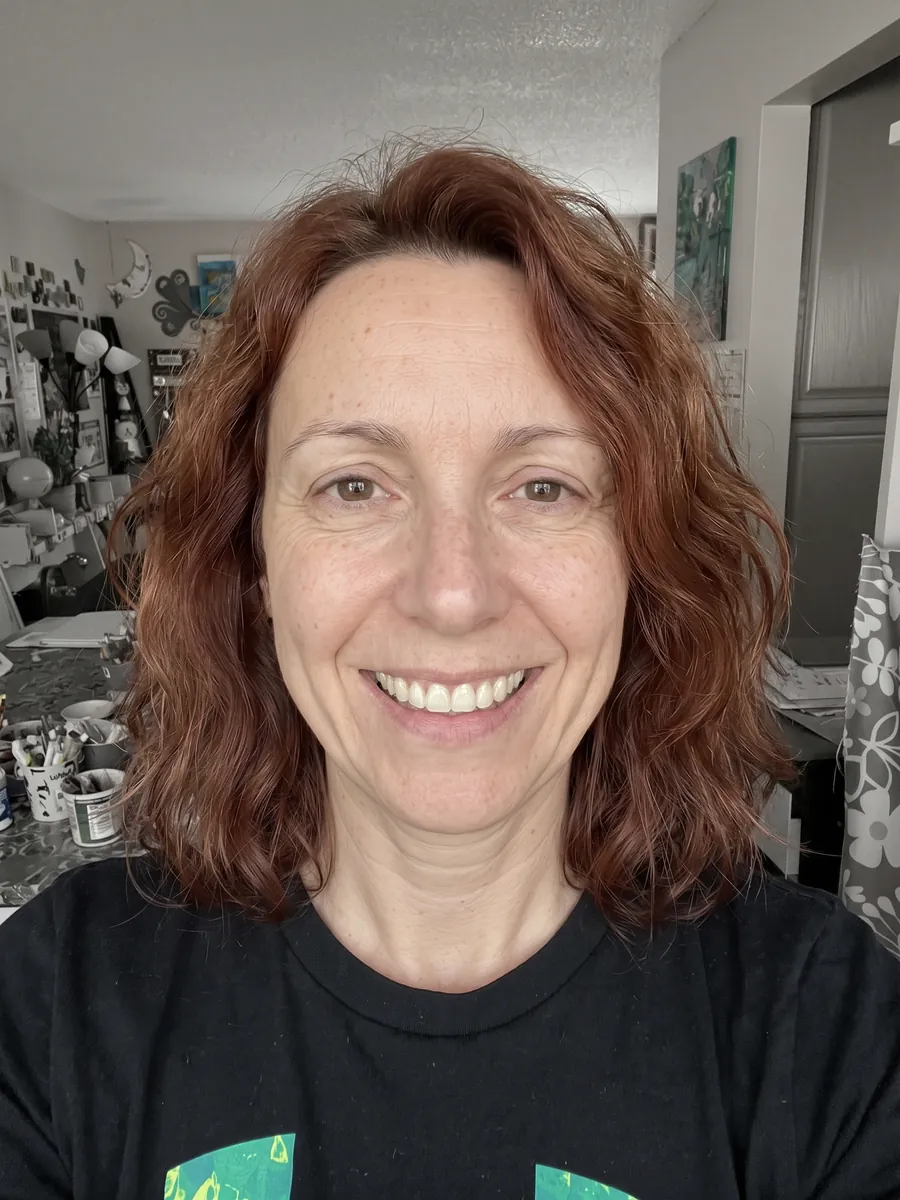
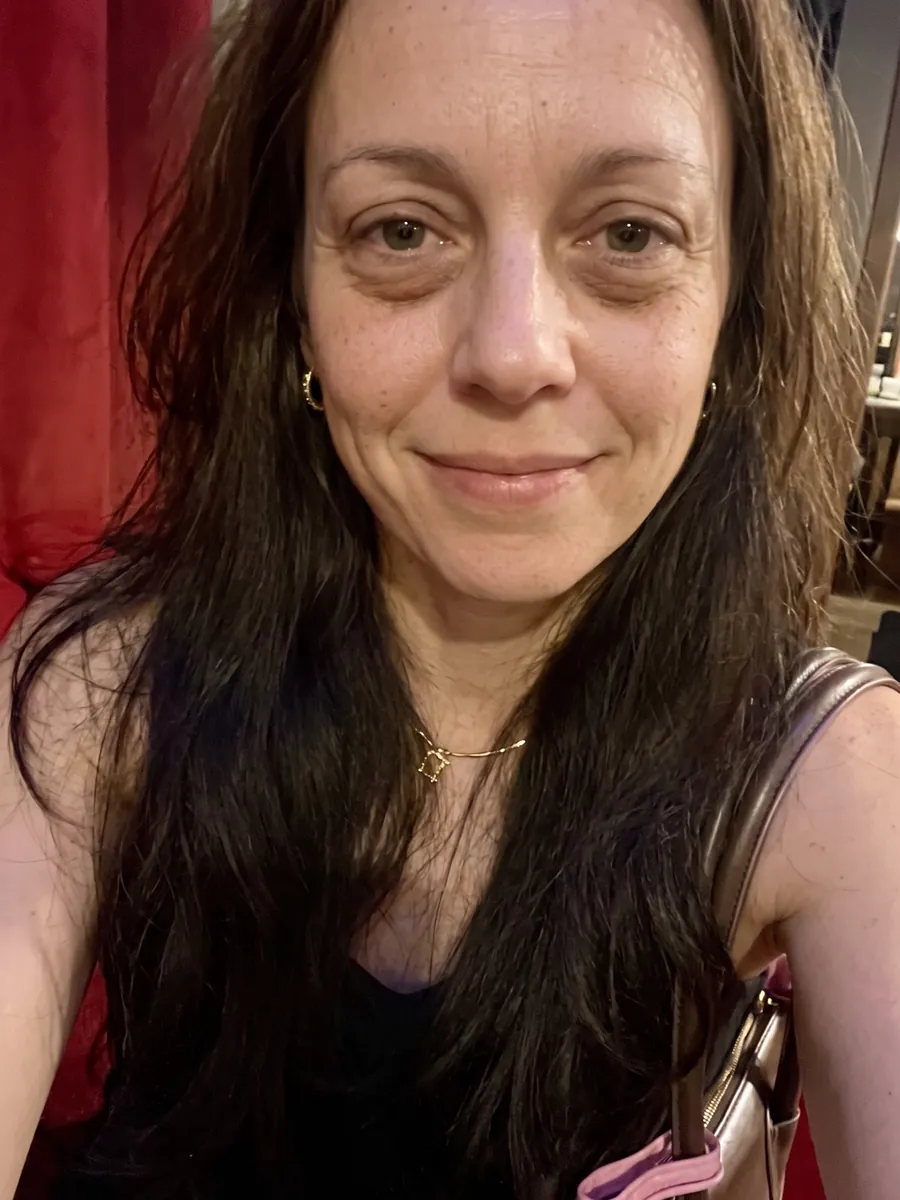
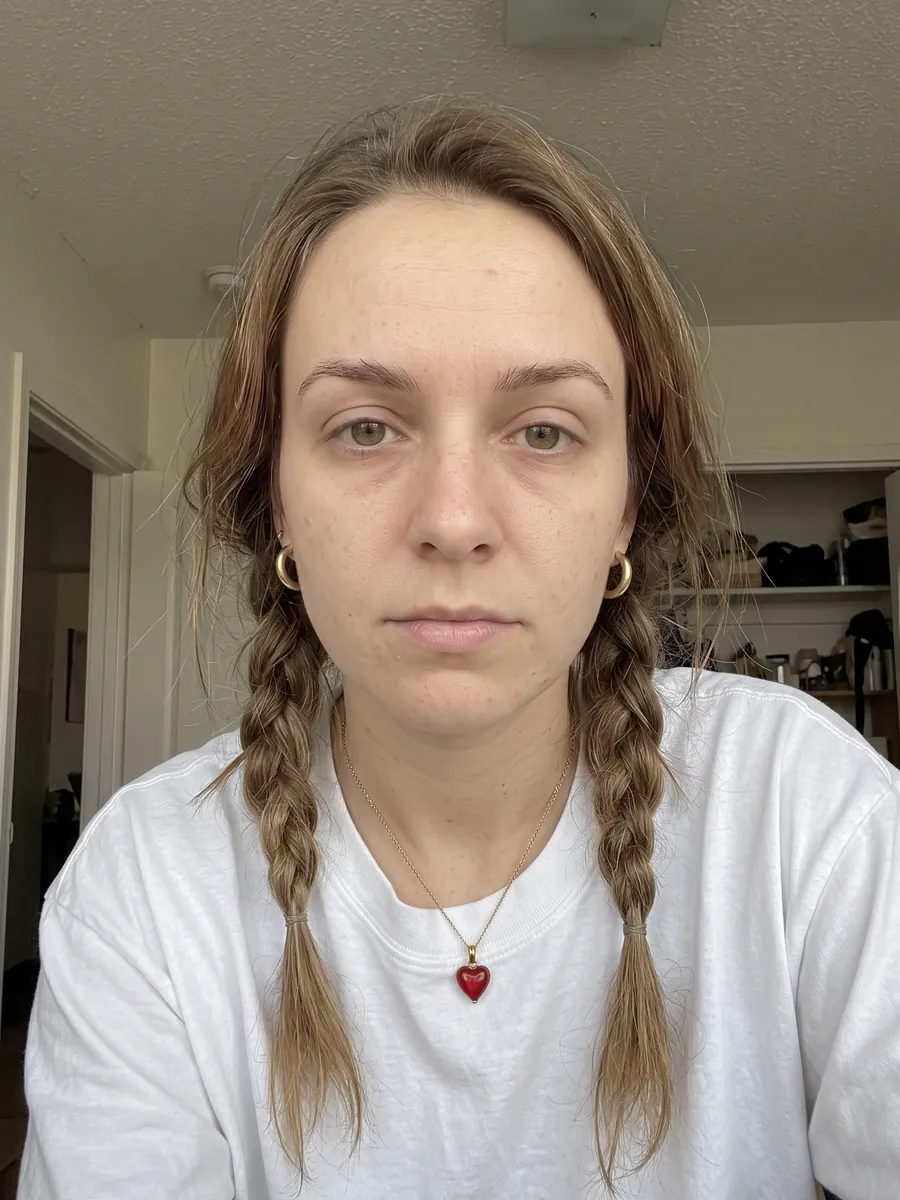
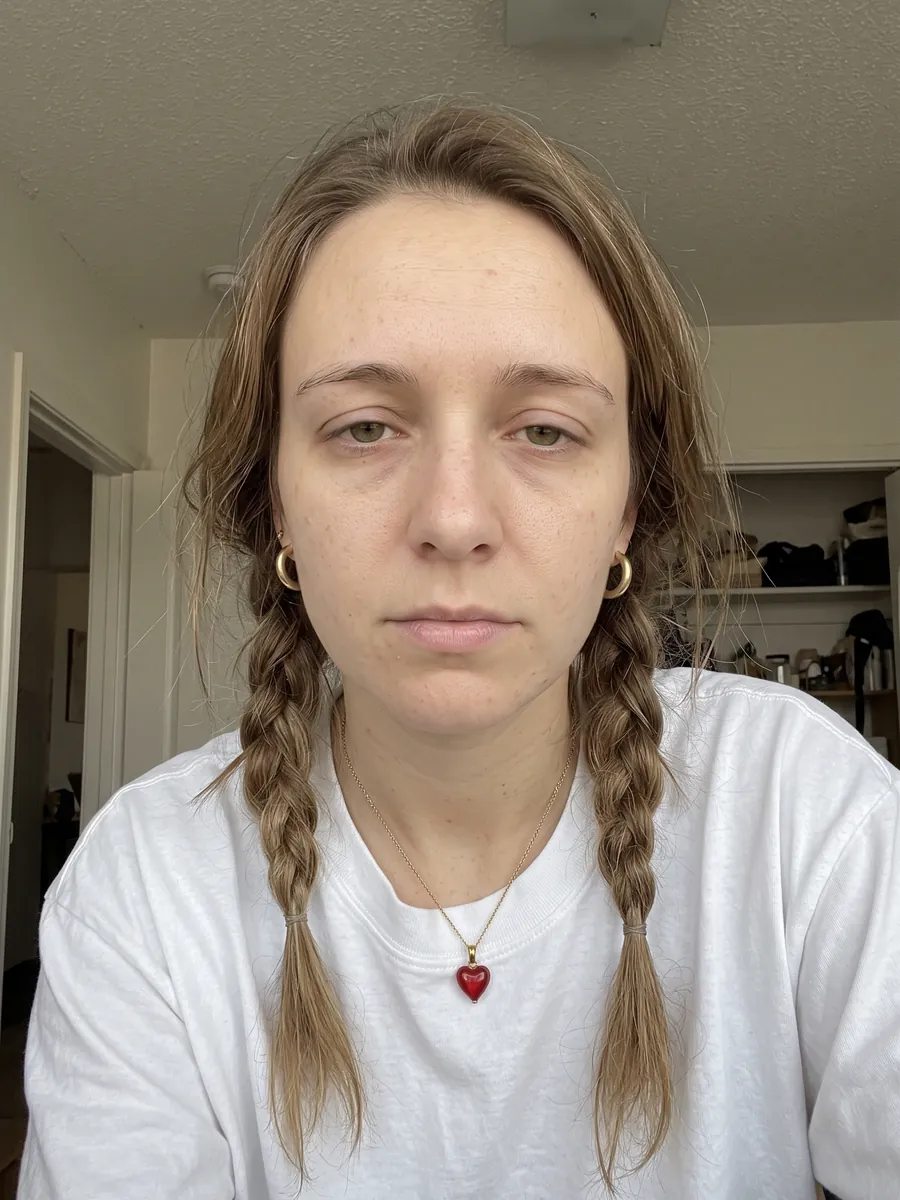
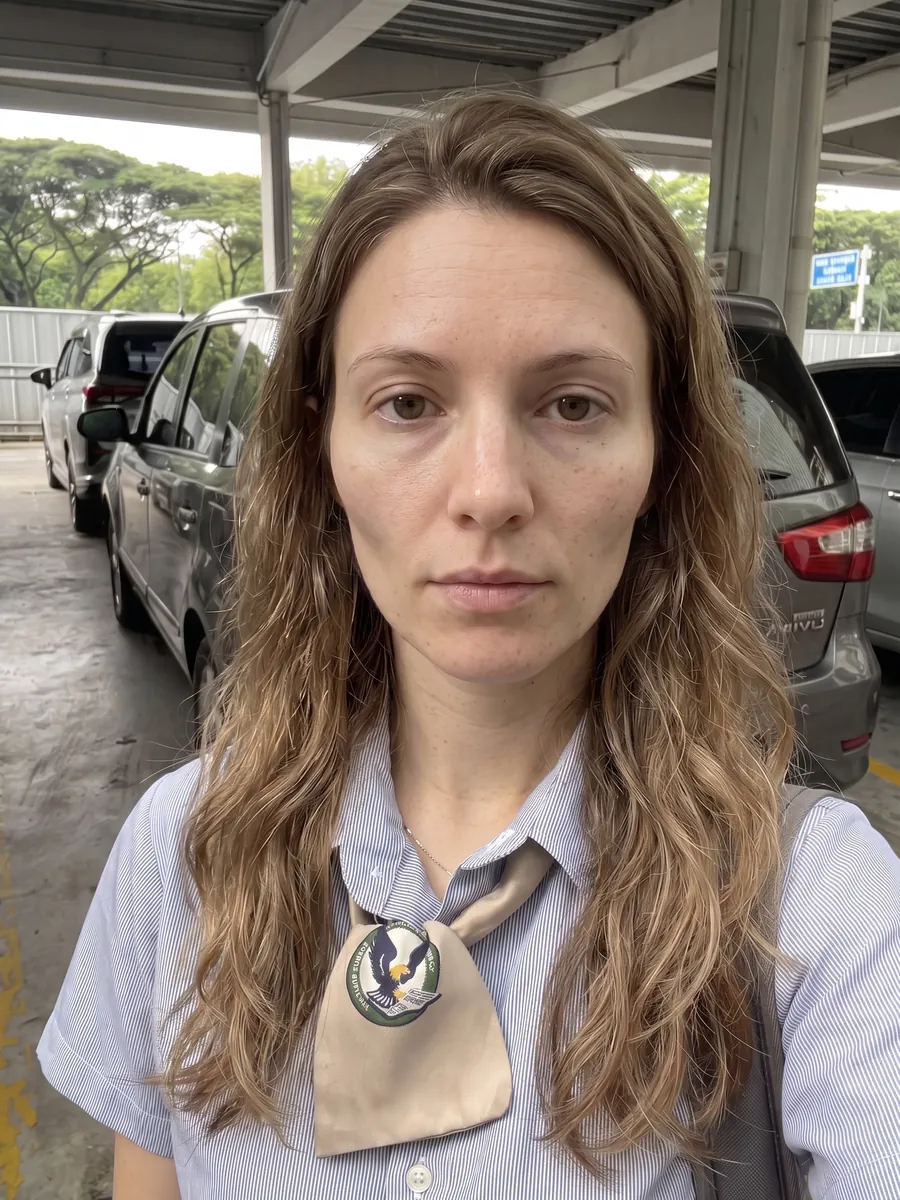
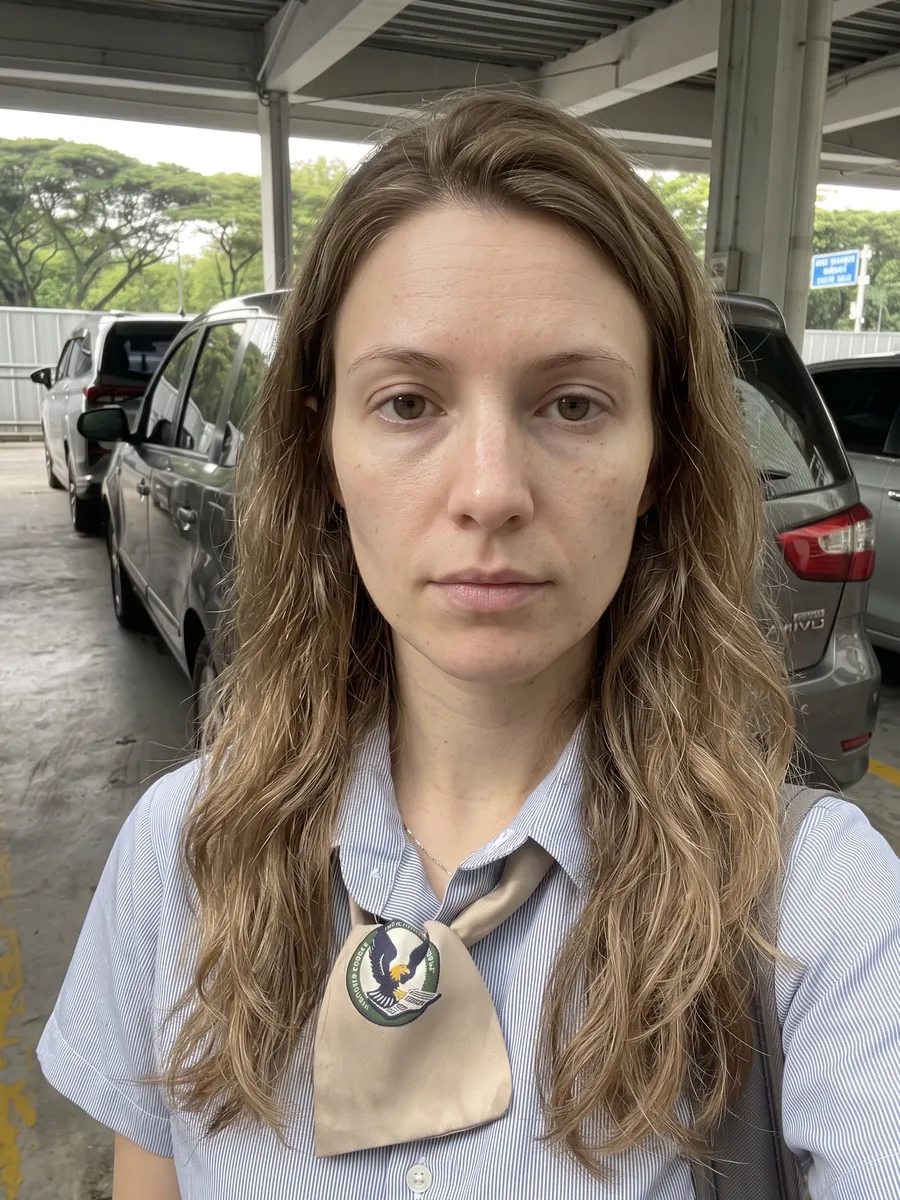
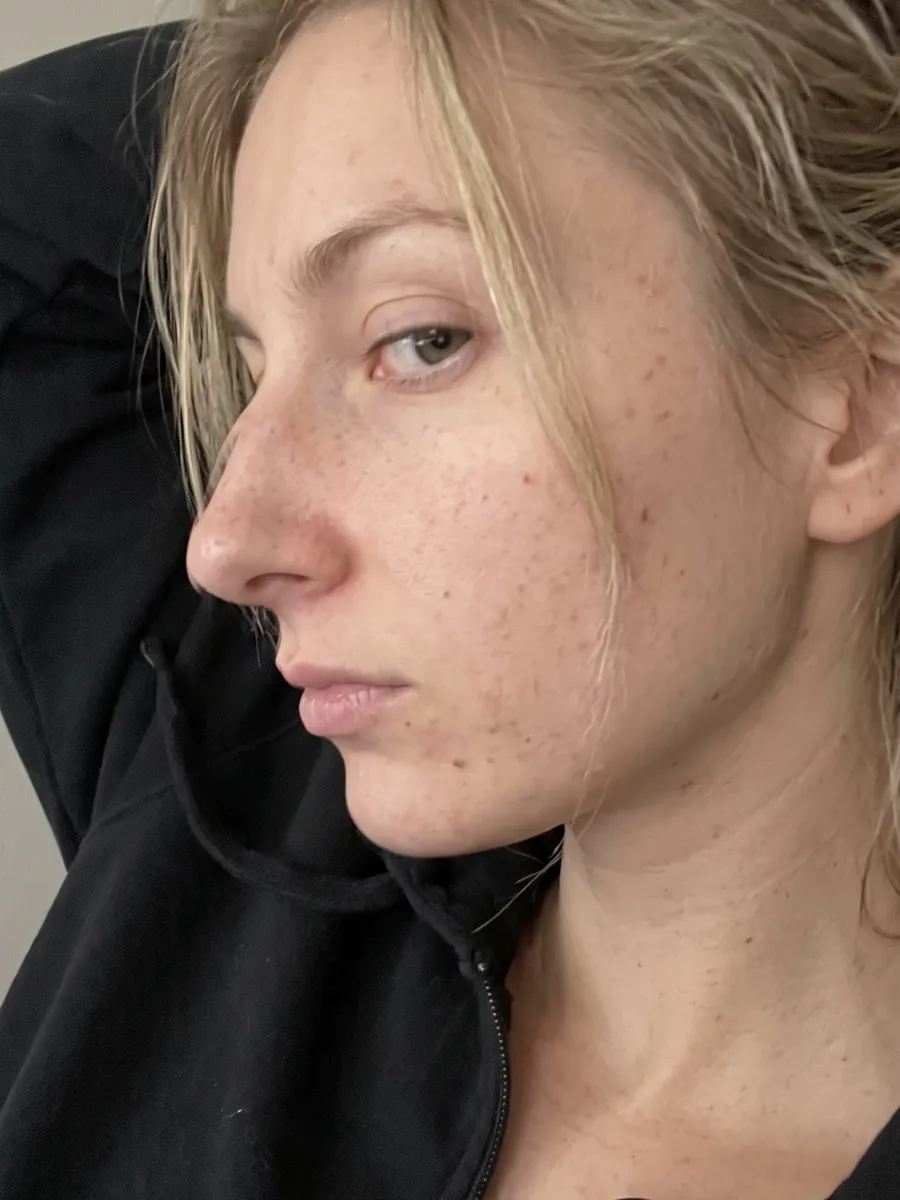
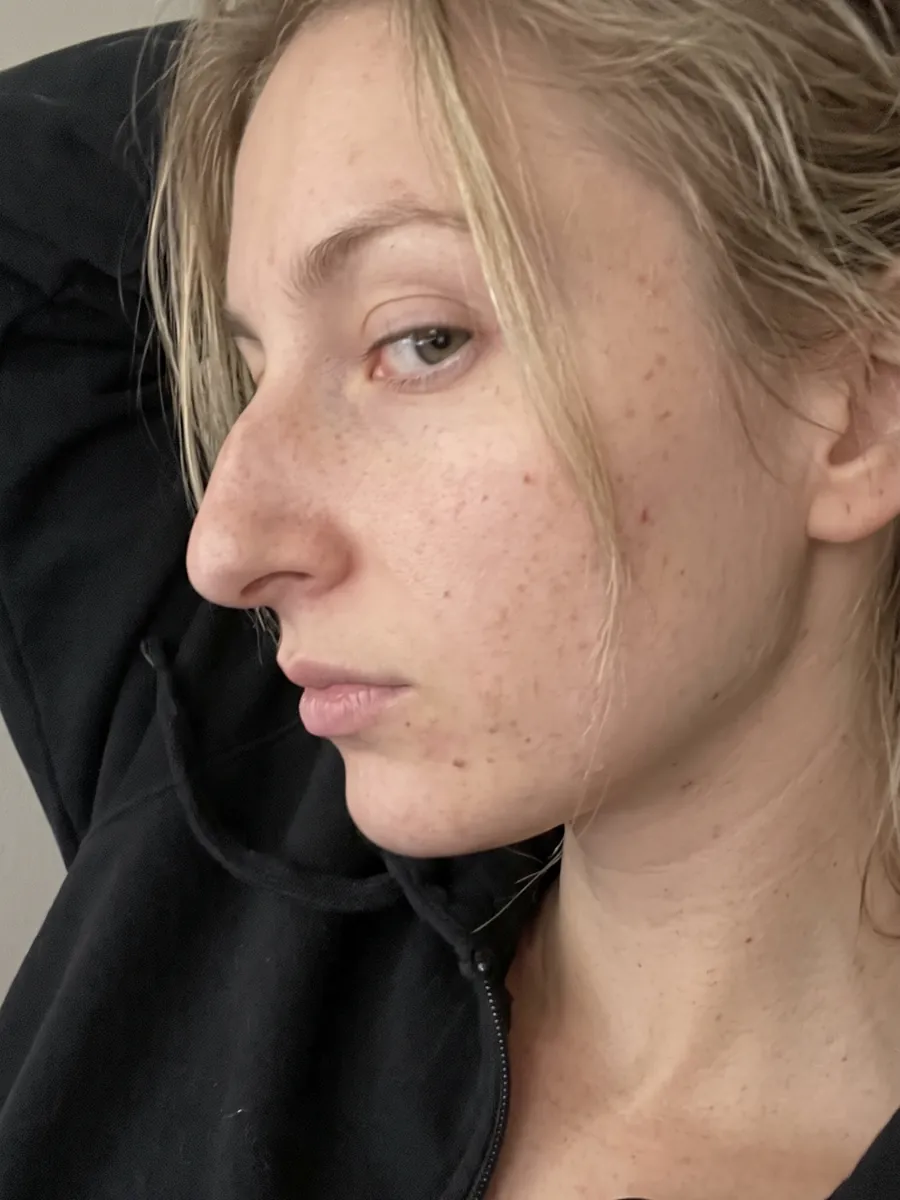
What 20 units of botox looks like, on your own face
By Jérémie Aouate, founder of Mevona. Updated October 22, 2026.
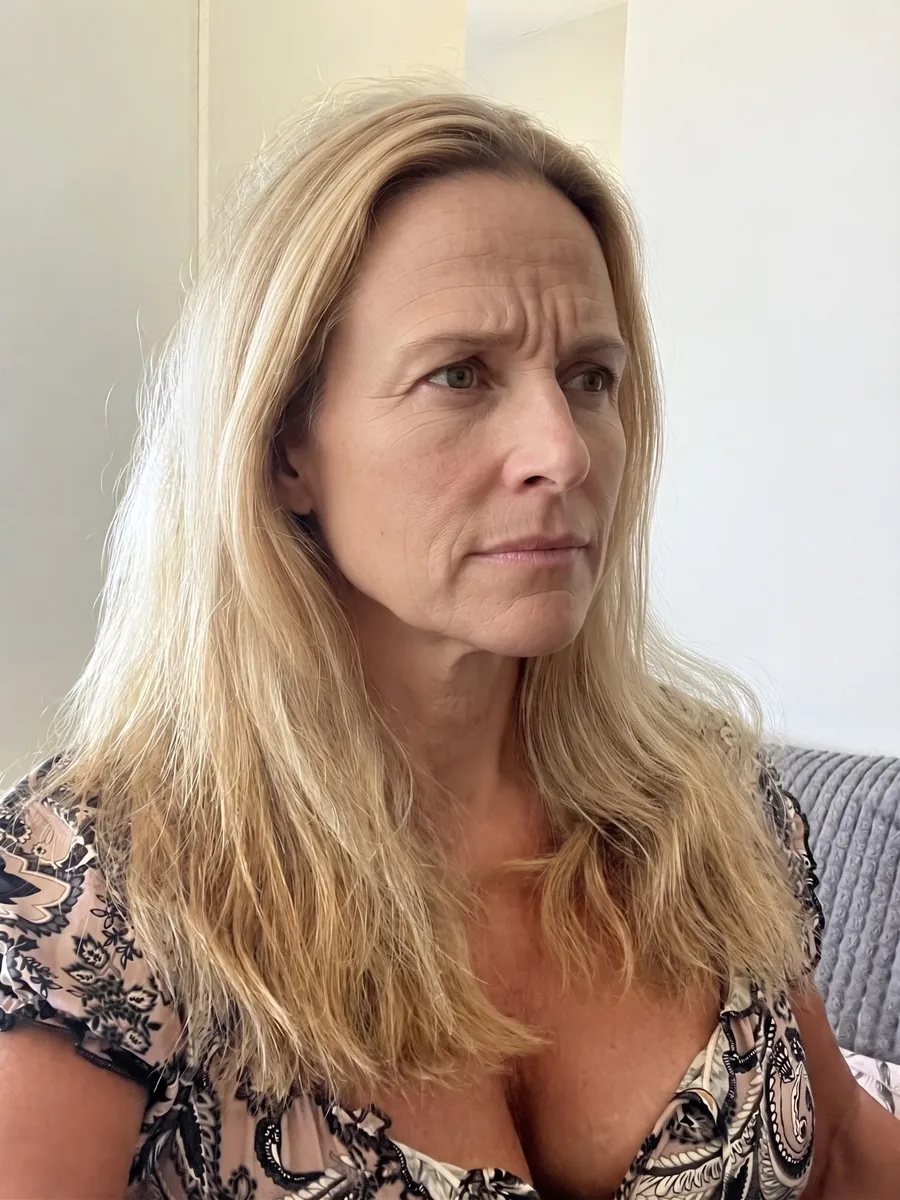
Botox relaxes the muscles that draw your frown lines and forehead lines, so the lines get shallower while the face around them stays the same. This page shows what that looks like on a whole face, at three doses from about 10 to 30 units, indicative, from the front, and how to see the same thing on your own photos. What you see here is a Cosmetic Preview, an illustration of the kind of change, not a predicted result.
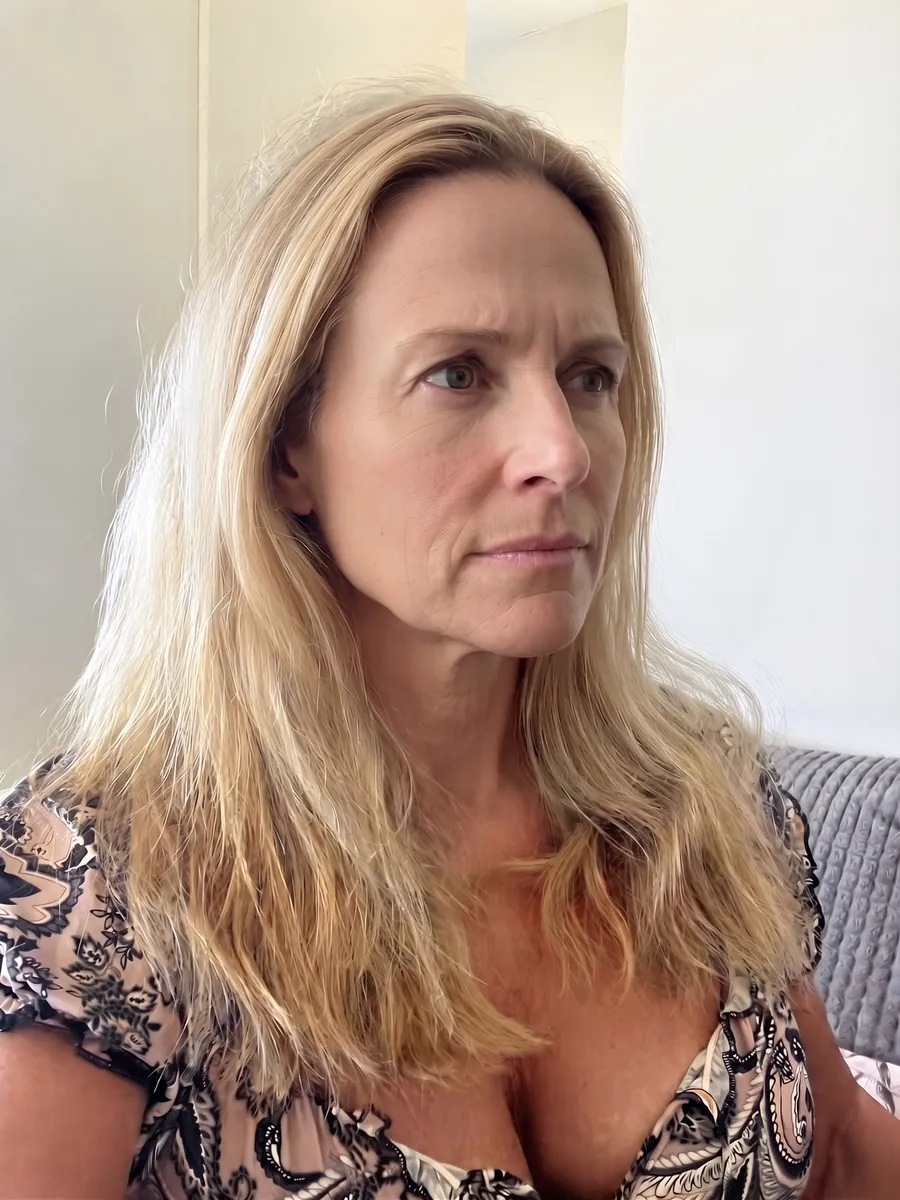
In short
- The FDA label for Botox Cosmetic covers frown lines, forehead lines, crow's feet and neck bands, each tied to the muscle that draws them. It also says the dose is set by watching how strongly those muscles move.
- It is the most common nonsurgical procedure in the world, 7.8 million in 2024 according to the ISAPS global survey, and most popular at ages 35 to 50. Neuromodulators made up half of all minimally invasive procedures by ASPS member surgeons in 2025.
- It starts in one to two days, builds over the first week and lasts about three to four months, according to the FDA label and the American Academy of Dermatology.
- Average US fee: $435 according to the ASPS, with no range published.
- This page shows botox at three doses on one face, from the front, and what the Facial Dossier reads on your lines and skin before any of it.
What botox changes
Most lines on the upper face are drawn by muscles. The FDA label ties each area to its muscle: the frown lines between the brows to the corrugator and procerus muscles, the horizontal forehead lines to the frontalis, the muscle that lifts the brows, and crow's feet to the muscle around the eye. Every time those muscles contract, the skin above them folds along the same lines.
Botox is the everyday name for botulinum toxin type A placed in those muscles. According to the ASPS, it blocks the nerve signal to the muscle where it is placed and relaxes it for a while. The muscle pulls less, the fold is shallower, and the line reads softer. The ASPS describes the products of this family as offering natural results with minimal downtime.
What botox does not change matters as much. It does not add volume, it does not change the texture or the tone of your skin, and it does not move your features. Surgeons quoted by the ASPS add that deep lines at rest may need more than a muscle relaxer. In the Cosmetic Preview on this page, everything else stays: your brows keep their shape, your eyes and mouth are those of the original photo, and only the depth of the lines between the brows and across the forehead changes.
In the Facial Dossier, two sections read this zone. Wrinkles, section 17 of 17, reads the lines on your photos: across the forehead, between the brows, around the eyes. Skin overview, section 14 of 17, reads tone, texture and lines together. Each ends with one of three verdicts: keep, change, or discuss. That reading comes before any preview, so you know which lines are there before you pick a dose.
Where you'd stop: subtle, moderate, full
Mevona shows every procedure at three doses on the same photo. They are three distances along the same direction, so you can see where you would want to stop. The names below are the ones you will see in the app. The numbers people search, 10, 20 and 30 units, are used here as indicative marks; the label does not divide the upper face that way.
Subtle: softer frown lines
The vertical lines between the brows soften and the forehead is left as it is. The frown still reads when you frown, only shallower. Indicatively, this is where people picture 10 units; in a 2005 dose-ranging study of 80 people, 10 units reduced frown lines significantly less than 20 to 40, and at four months the lines had returned in 83 percent of people at 10 units against about 30 percent at 20 to 40.
Moderate: smooth frown and forehead
The frown lines are smooth and the forehead lines are soft, with the texture of the skin unchanged. This is the indicative mark for 20 units. For reference, the FDA label sets 20 units for the frown lines alone, at five points, and adds 20 for the forehead when it is included, 40 in total.
Full: a fully smooth upper face
The frown and the forehead read smooth from brow to hairline. Indicatively, this is where people picture 30 units and more. It is the far end of the direction, the dose to look at when you want to know whether a fully smooth upper face still reads as you.
Still moves, still you: that is the question behind most searches for a number of units. Injectors do not work in doses either. The FDA label asks them to set the dose by watching how strongly your muscles move, so the same number of units can look different on two faces. The three doses are a way of looking, not a menu. Where you would stop is a conversation to have with a qualified professional, with your photos and the preview in hand if you like.
Why the front view
Frown lines and forehead lines face the camera. From the front, the light falls across the forehead and the space between the brows, which is where the depth of a line reads. That is why this page, and the preview of this procedure, use the front view only.
In profile, the frown lines between the brows are hidden by the brow itself, and the forehead lines flatten into a slope of skin seen at a grazing angle. A change in their depth adds little to a side view. The front also shows the position of the brows, which matters when botox is used to lift them a little, and lets you check that the brows keep their shape at every dose.
Mevona still asks for three photos, one from the front and one from each side, because the Facial Dossier reads the whole face. For botox, look at the front.
Techniques and variants
Botox is one product placed in different muscles. The areas and doses on the FDA label for Botox Cosmetic:
- Frown lines. 20 units, at five points between and above the brows.
- Forehead lines. 20 units across five points of the forehead, always with the 20 units for frown lines, 40 in total, to limit the risk of the brows dropping. See how many units of botox for forehead lines.
- Crow's feet. 24 units, 12 per side.
- Neck bands. 26 to 36 units, a separate area of the label, outside this zone.
Two variations come up often in the same conversation:
- Botox brow lift. Surgeons quoted by the ASPS describe relaxing the muscles that pull the brow down, so the brow-raising muscles work with less opposition and the brow lifts gently. See botox brow lift.
- Masseter botox. The same family of product placed in the jaw muscle, a different zone and a different change. See masseter botox.
Botox is one brand. The ASPS lists others in the same family, including Dysport, Xeomin, Jeuveau, Letybo and Daxxify, and the FDA label says units of Botox Cosmetic cannot be compared to or converted into units of other products.
Who usually considers it
People come to this page from a few starting points: frown lines that make them read tense or tired in photos, forehead lines that now show at rest and not only when the brows lift, brows that sit a little lower than they used to, or a wish to soften lines without surgery or time off. According to the ISAPS global survey, botox was most popular at ages 35 to 50, with 47 percent of procedures in that group.
Most of the hesitation comes from one image: a face that no longer moves. The FDA label and the dose-ranging study both point the same way: the effect follows the dose and the muscle, so how much movement remains is part of the plan, not an accident. Seeing three doses on your own photo is a way to find which one you were picturing.
None of that says whether botox is right for a given face. A preview cannot tell you that. What it can do is show you the direction and the distance, so that when you discuss it with a qualified professional, you already know which dose you have in mind.
Botox vs laser resurfacing
| Botox | CO₂ laser resurfacing | |
|---|---|---|
| What it is | A neuromodulator placed in the muscles that draw the lines, according to the ASPS | A laser that removes thin layers of skin so smoother, firmer skin forms, according to Cleveland Clinic |
| What it can do | Soften frown lines, forehead lines and crow's feet drawn by muscles, according to the FDA label | Reduce fine lines and wrinkles around the eyes, forehead or mouth, and even out skin coloring |
| What it cannot do | Change texture or tone; deep lines at rest may need more, according to surgeons quoted by the ASPS | Change how the muscles move |
| How long it lasts | About three to four months | Improvement may last several years, according to Cleveland Clinic |
| Recovery | Most everyday activities right away | Up to two weeks for a CO₂ laser |
| Reversibility | Wears off on its own | Not reversible |
| Risks named by the source | Headache, eyelid or brow drop, bruising, temporary weakness (FDA label, ASPS) | Milia, darker or lighter patches, cold sore reactivation, infection, swelling, rare scarring (Cleveland Clinic) |
The preview on this page illustrates botox: the depth of the lines changes and the surface of the skin stays as it is. A laser works the other way round, on the surface, which is why the two are often previewed together.
Cost, recovery, risks
Cost
| Typical range | $435 to $435 |
|---|---|
| Source | ASPS average fee for botox from its latest statistics; no range published, and the page does not say what the figure covers |
Indicative. A quote depends on the technique, the city and the practice.
The ASPS gives an average fee of $435 for botox, with no range. It says the price depends on how advanced the lines are, how much product is used, the experience and qualifications of the person placing it, and the location of the office. The page does not say what the figure covers, so ask for the total for the areas you have in mind. Repeat sessions add up: the effect lasts months, not years.
Recovery
- Day 0The American Academy of Dermatology says people return to most everyday activities right away. The ASPS advises not to rub or massage the area afterwards.
- Day 1 to 2The relaxed muscles start to show, one to two days after, according to the FDA label.
- Day 3 to 7Most people see results within three to seven days according to the American Academy of Dermatology. The FDA label says the effect builds through the first week.
- Week 4A Cochrane review of 65 trials and 14,919 people found wrinkles reduced within four weeks. The trials behind the label measured their main result at day 30.
- Month 3 to 4The effect wears off at about three to four months according to the FDA label, sometimes later according to the American Academy of Dermatology. The label notes dosing more often than every three months has not been studied.
Two sources frame the timeline. The FDA label describes the effect starting one to two days after, building through the first week and lasting about three to four months for frown lines. The American Academy of Dermatology says most people see results within three to seven days, that the improvement lasts about three to four months and sometimes longer, and that people return to most everyday activities right away. The 2005 dose-ranging study adds that the dose changes the duration: at four months, lines had returned in 83 percent of people at 10 units, against 28 to 33 percent at 20 to 40.
Risks
The ASPS lists bruising and pain where the product was placed, flu-like symptoms, headache, nausea, redness, and temporary facial weakness or drooping, and warns that rubbing the area can spread the effect. Spread beyond the area is very unlikely according to the ASPS, and the FDA label carries a boxed warning about it because the symptoms can be serious. In the trials behind the label, the most common reactions were eyelid drop for frown lines, 3 percent, and headache, 9 percent, and brow drop, 2 percent, for forehead lines. A Cochrane review of 65 trials and 14,919 people concluded that botox reduces wrinkles within four weeks and probably increases the risk of eyelid drop. Your own risk belongs in a consultation with a qualified professional. Cosmetic Previews are illustrative and do not predict the result of any procedure.
Often combined with
Two combinations come up often enough that Mevona previews them on the same photo:
- CO₂ laser resurfacing. Botox works on the muscle; a laser works on the skin itself, removing thin layers so smoother skin forms, according to Cleveland Clinic. Seen together, the lines soften and the surface is renewed. See CO₂ laser resurfacing.
- Brow lift. Surgeons quoted by the ASPS say combining botox and a brow lift can work well: surgery restores structure, botox fine-tunes movement afterwards, and some brow lifts leave forehead lines that still call for botox. See brow lift.
The combination previews use the moderate dose of each procedure, from the front.
Send three photos from your phone, front and both sides, in your own light. Pick botox and a dose, and see your frown and forehead lines soften while your brows, your eyes and your expression stay yours. Then try the next dose, or the one before, and compare with CO₂ laser resurfacing or a brow lift on the same photo. Your Facial Dossier follows within 24 hours, with your wrinkles and skin read section by section. One membership, $99 a year, all 29 procedures. Take your time, then decide.