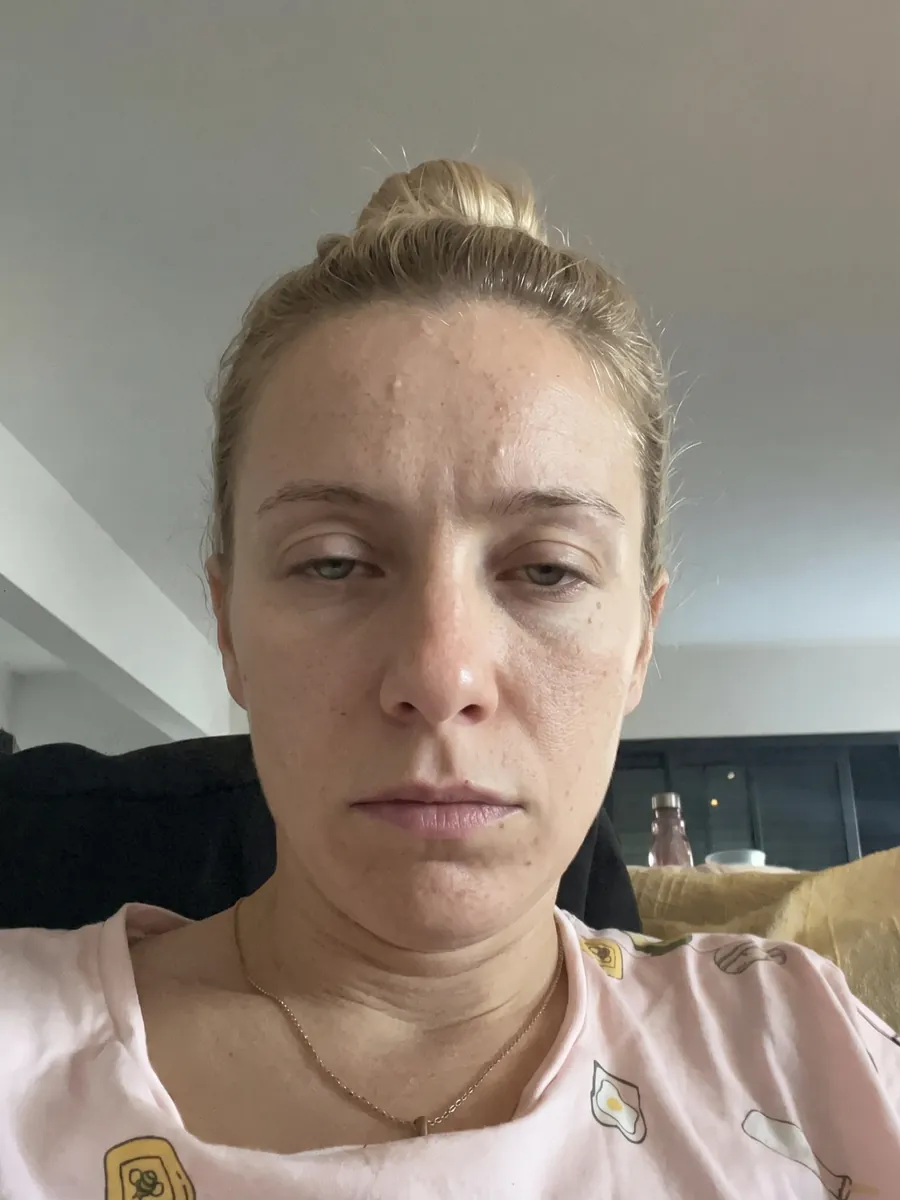
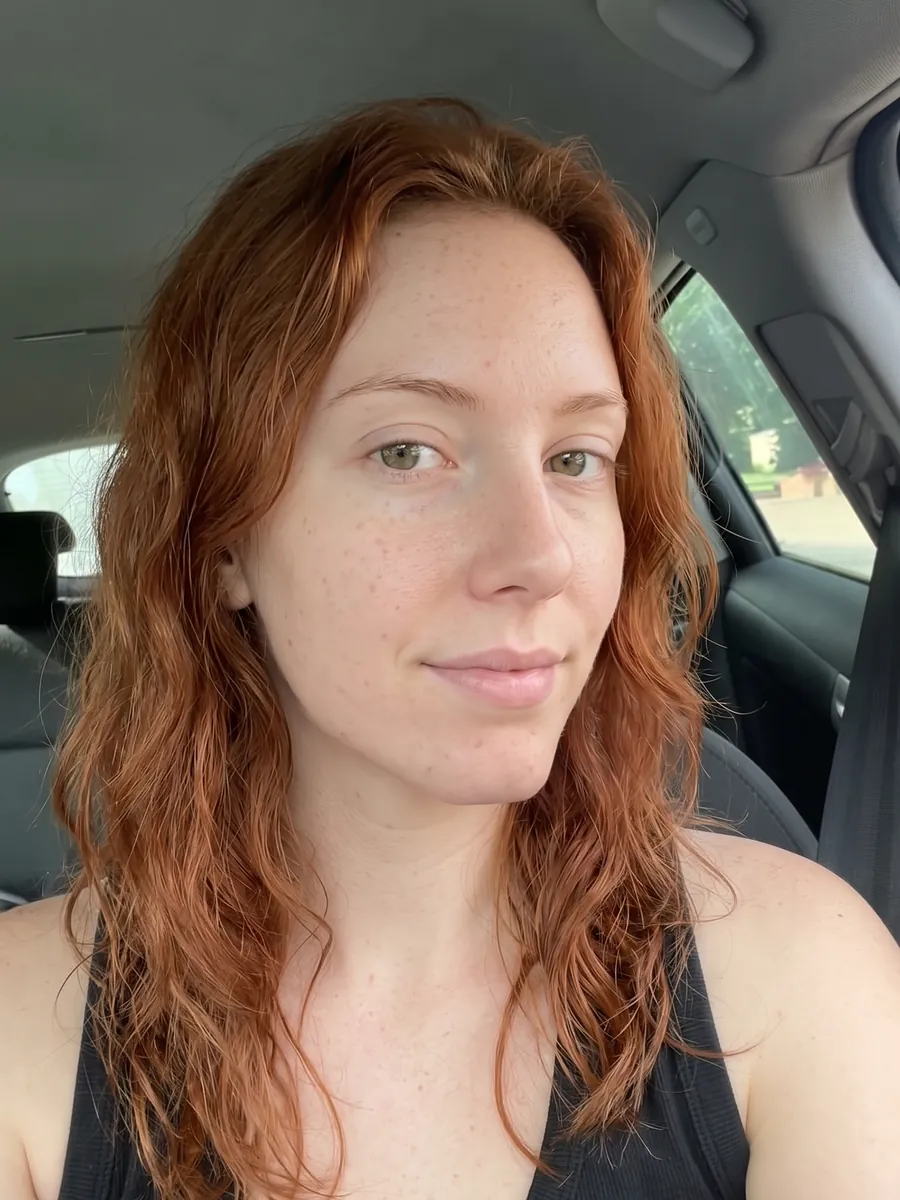
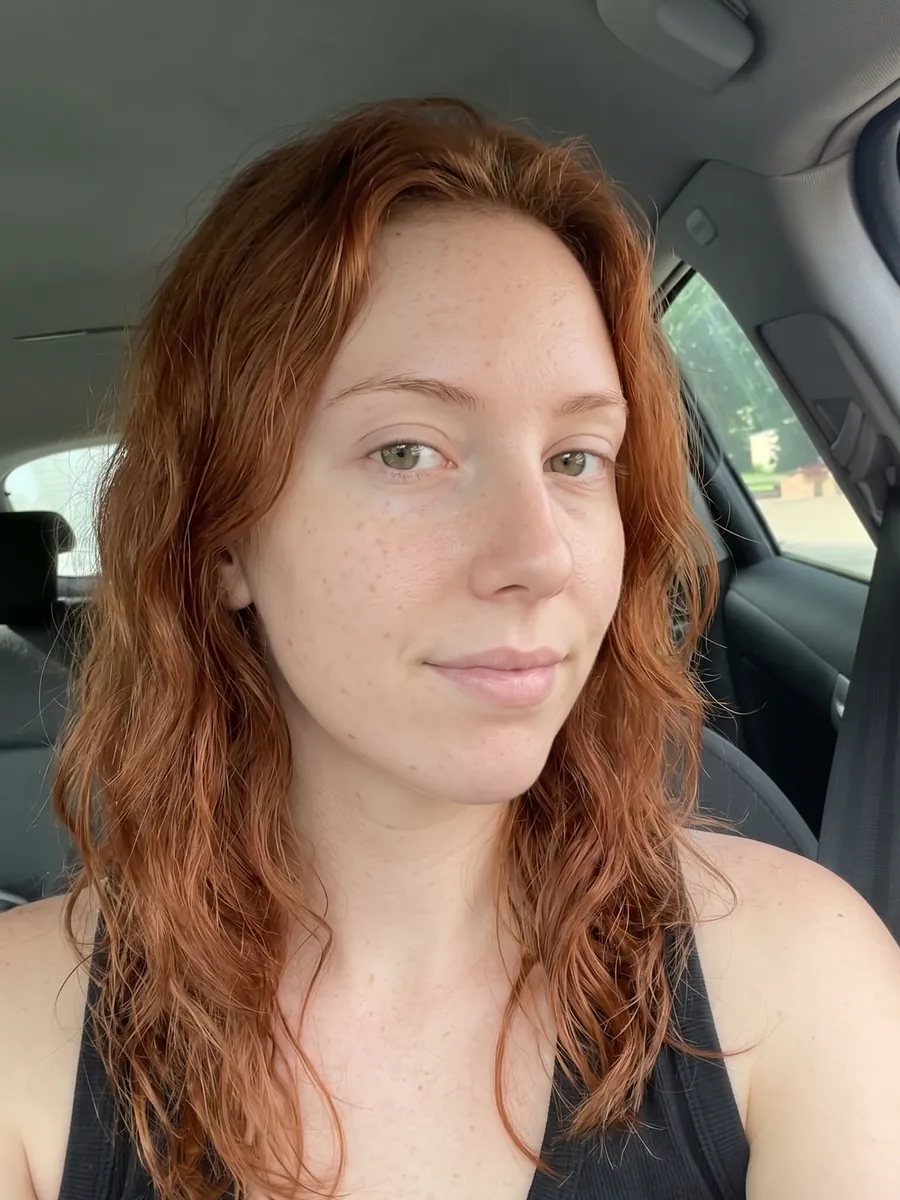
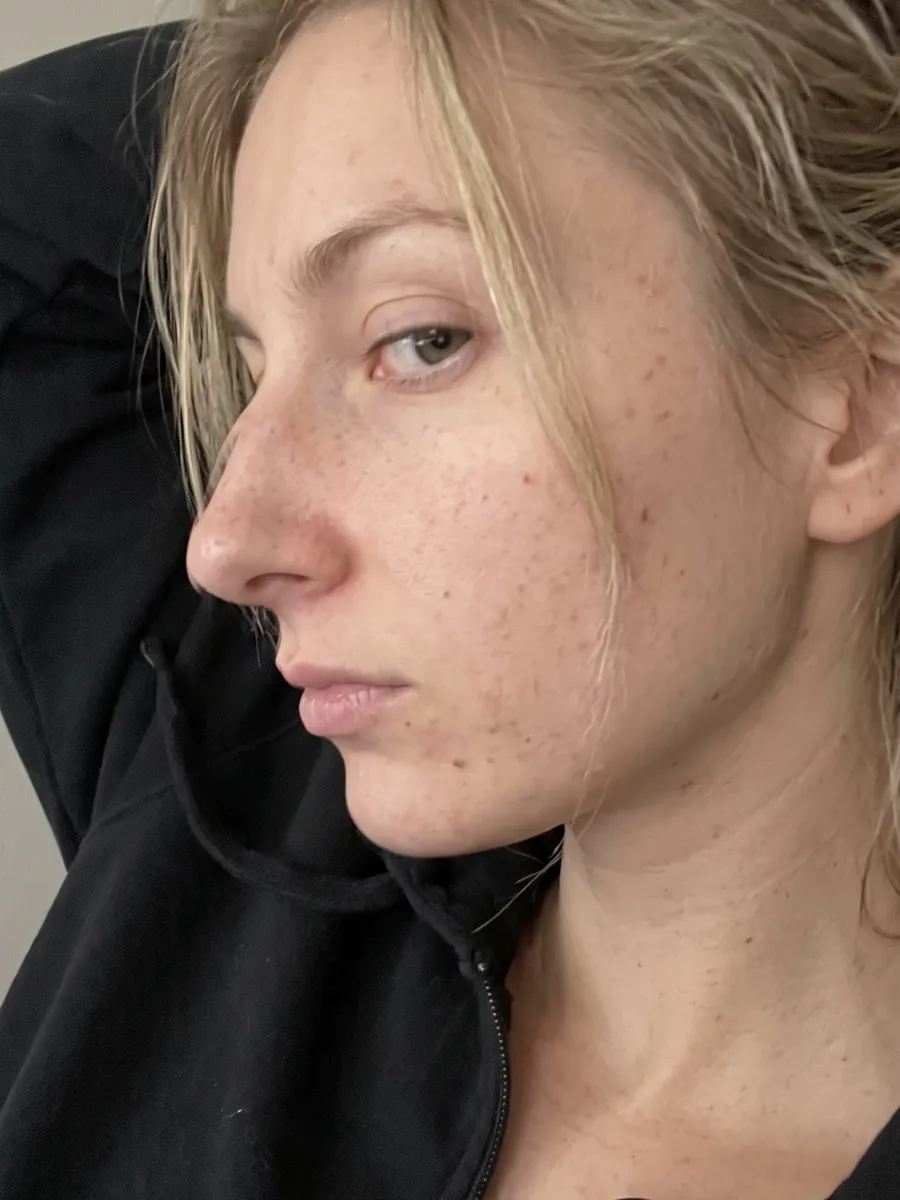
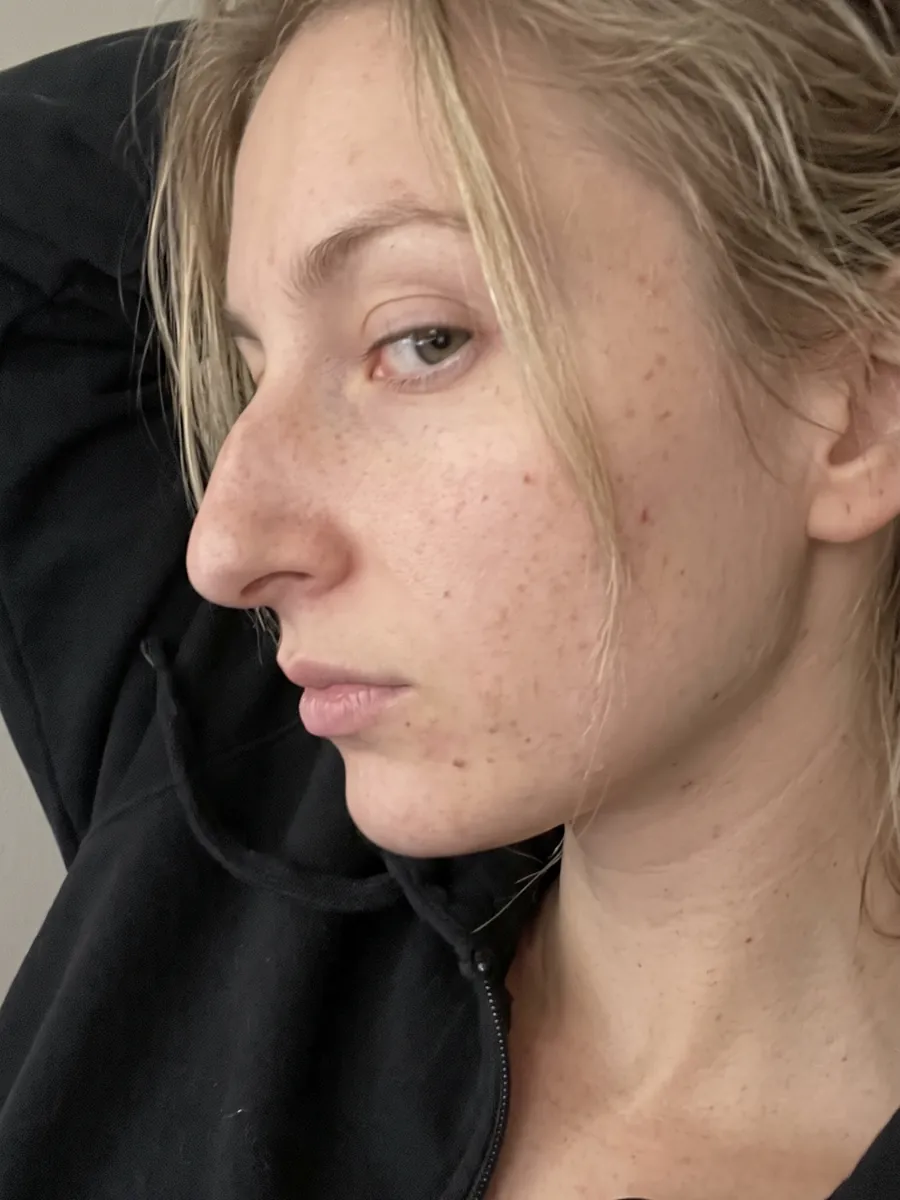
What you'd look like with cheek filler, on your own face
By Jérémie Aouate, founder of Mevona. Updated October 22, 2026.
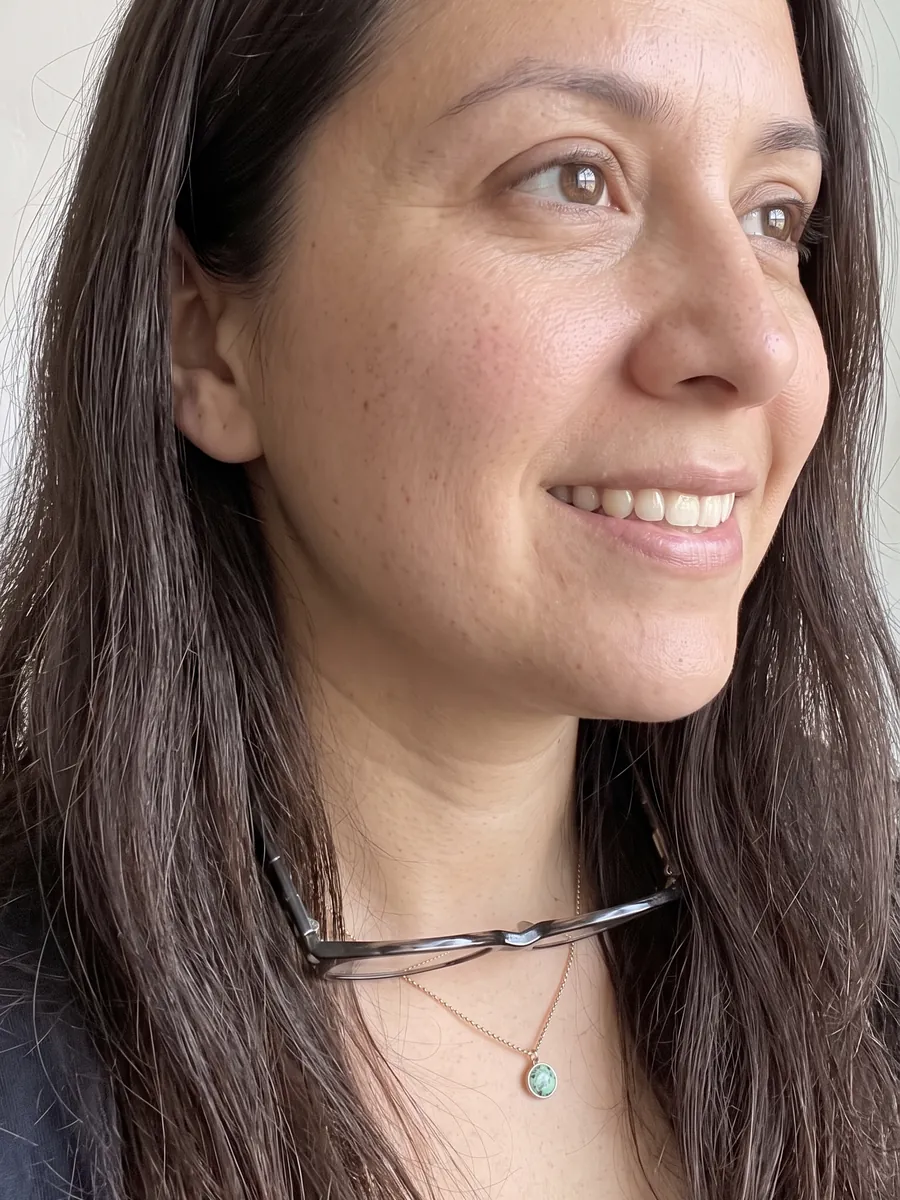
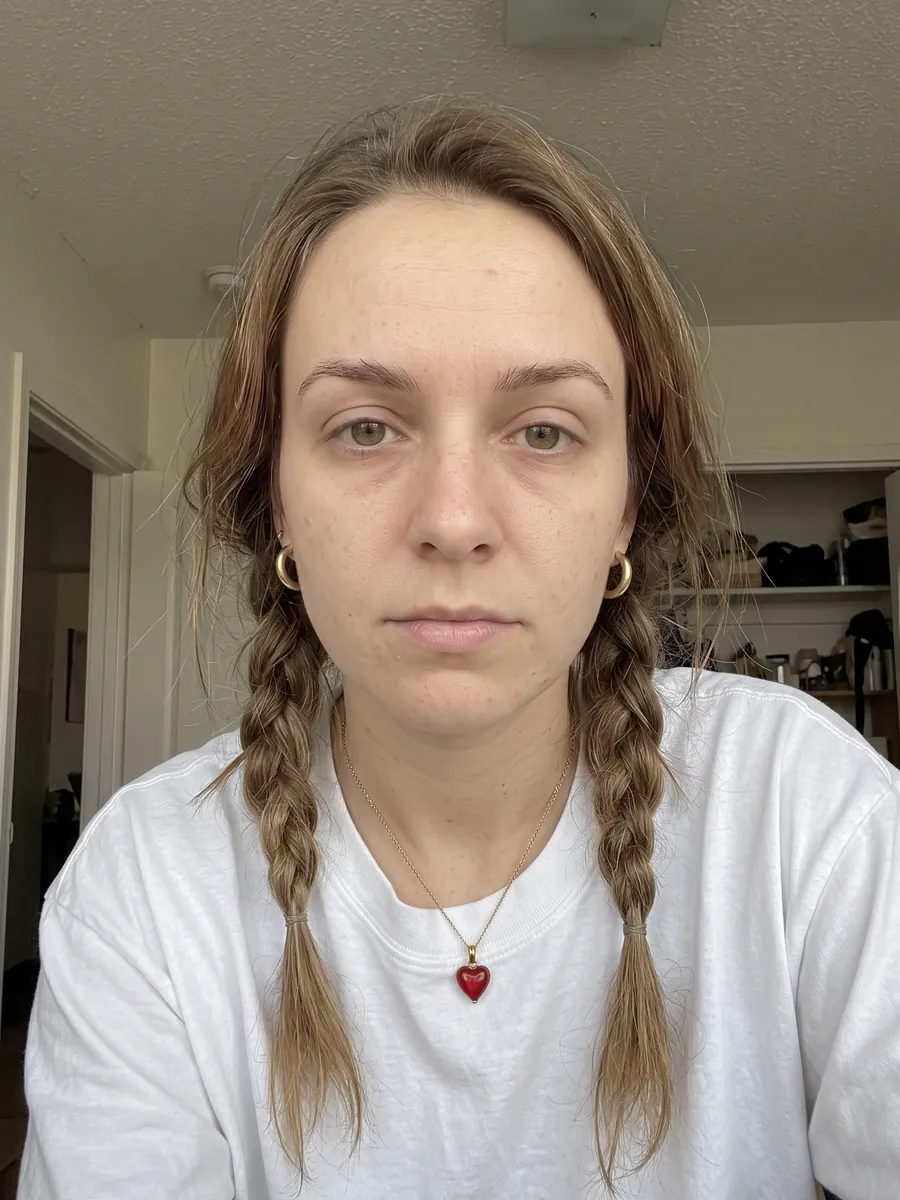
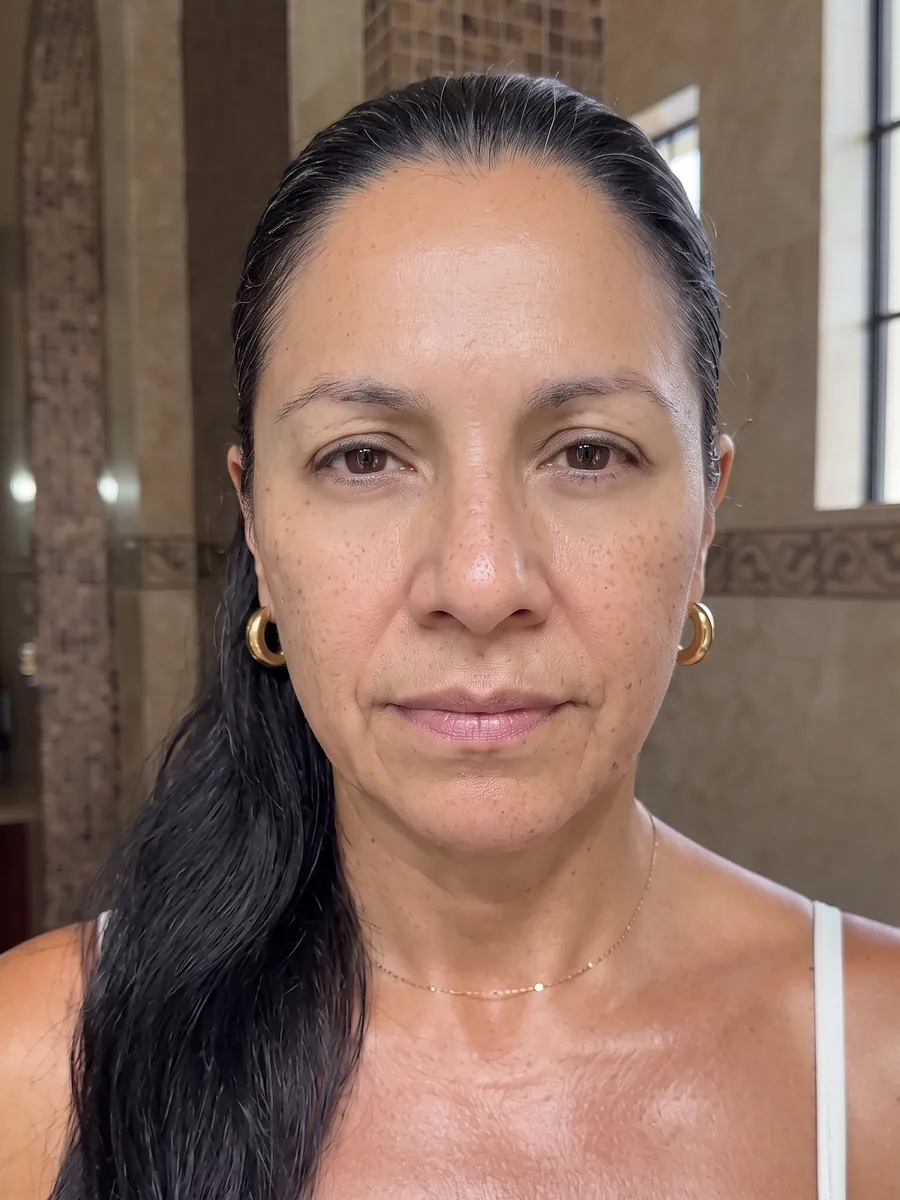
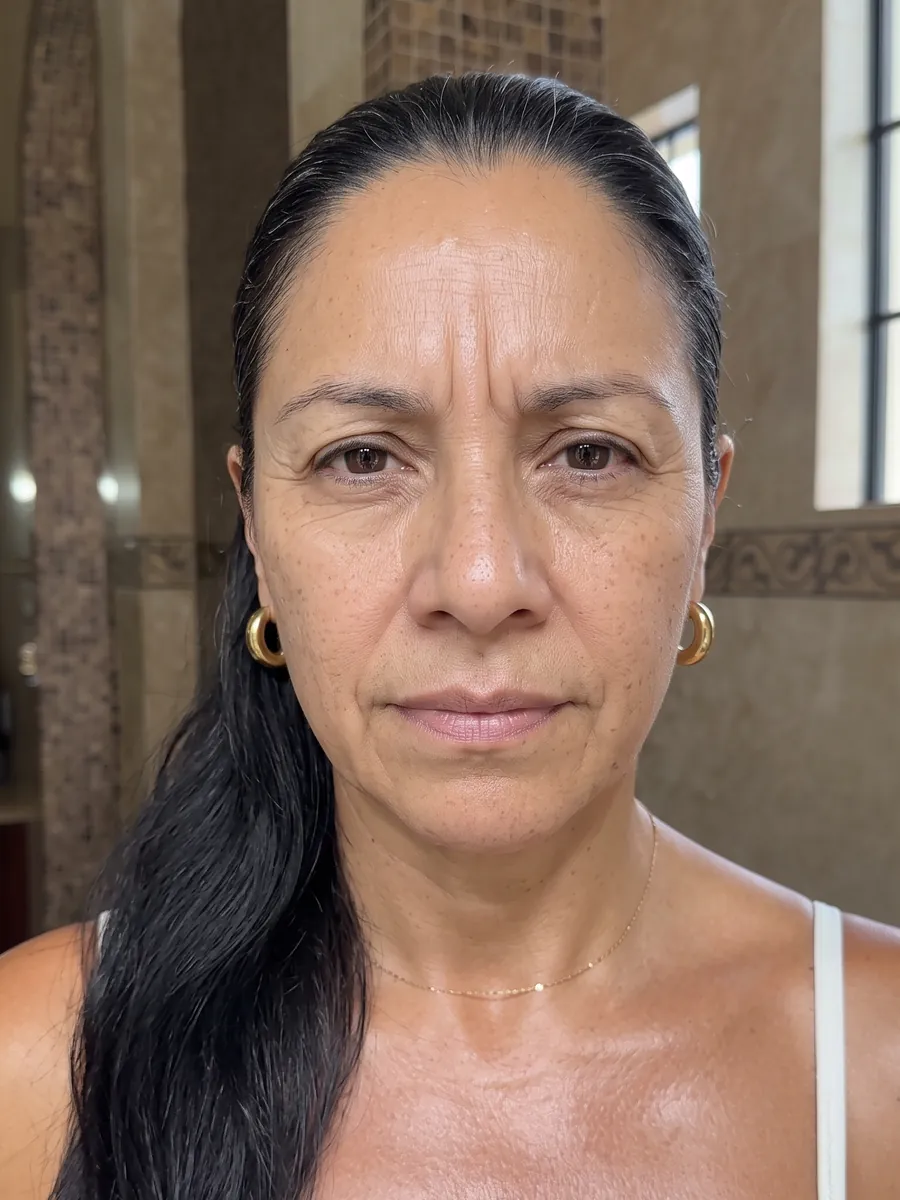
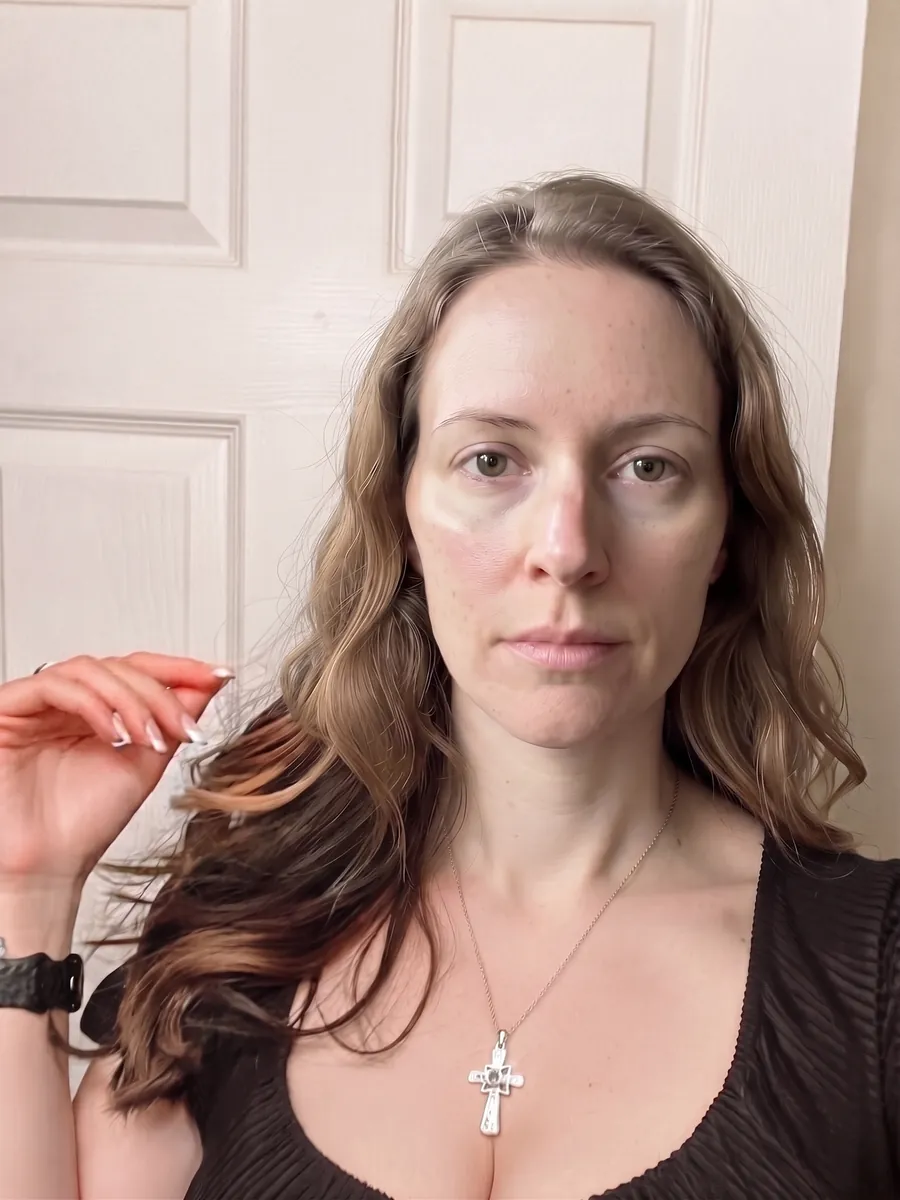
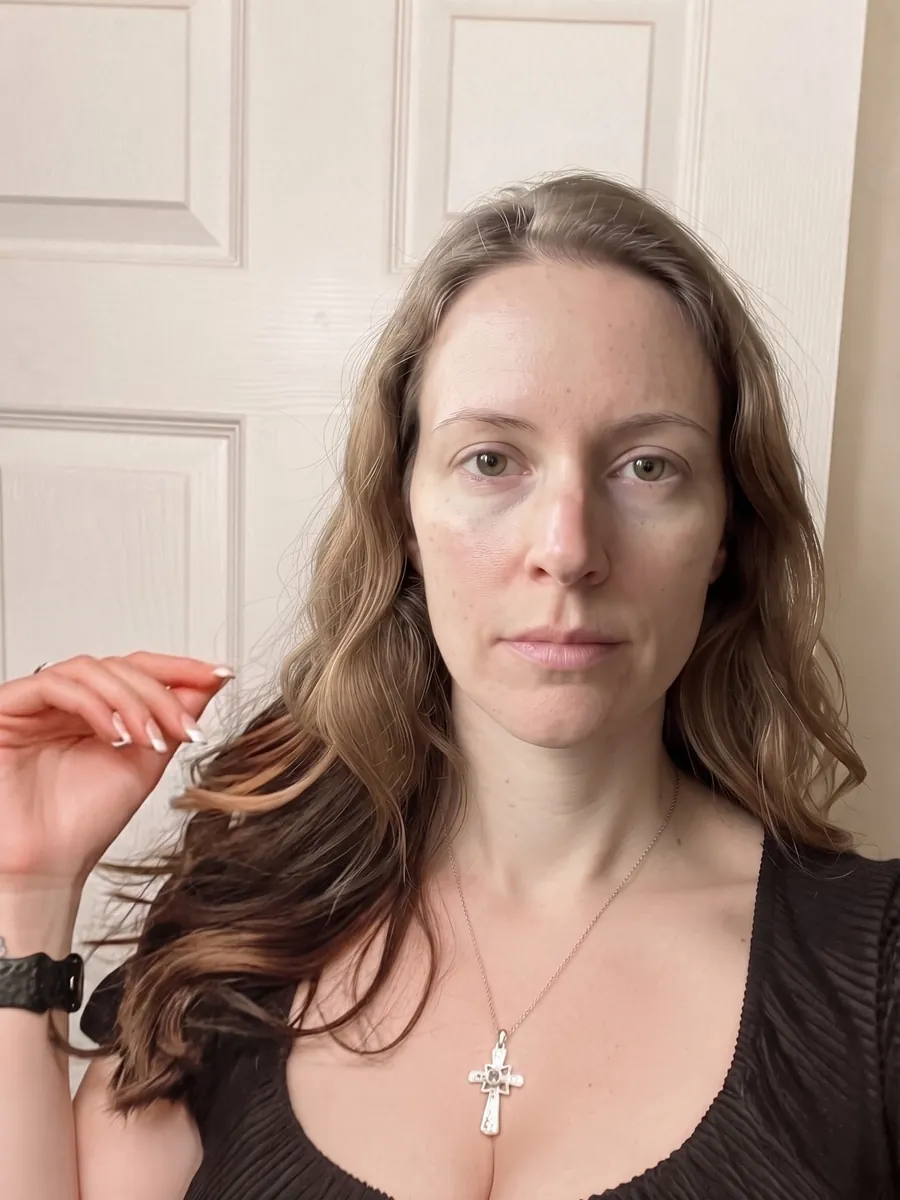
Cheek augmentation adds volume at and around the cheekbones, with filler, an implant or your own fat. This page shows what that looks like on a whole face, from the front, at three doses that match an indicative one, two and three syringes of hyaluronic acid filler, and how to see the same thing on your own photos. What you see here is a Cosmetic Preview, an illustration of the kind of change, not a predicted result.
In short
- Cheek augmentation adds volume or lift to the cheeks, according to the ASPS, with filler placed under the skin, a solid implant, or fat moved from another part of your body.
- Hyaluronic acid fillers made up 30 percent of the minimally invasive procedures reported by ASPS member surgeons in 2025, and facial fat grafting rose 39 percent to 34,117 procedures.
- Cleveland Clinic puts hyaluronic acid filler in the cheeks at about a year. Cheek implants are permanent, and they can be removed.
- Average US cost according to the ASPS: $715 for hyaluronic acid filler, and a $3,876 surgeon fee for cheek implants, before anesthesia and facility fees.
- This page shows cheek filler at three doses on one face, from the front, and what the Facial Dossier reads on the cheeks before any of it.
What cheek augmentation changes
Your cheek is built in layers. At the base sits the cheekbone. Over it lie several pads of fat, then the skin. The highest point of the cheekbone, the apex, is where light lands first when you face a window, and the hollow below it is where the shadow falls. According to the ASPS, some people lose volume in this area or see it sag with age, while others have cheeks that have always looked flat or thin. Cheek augmentation adds volume on top of that structure.
The three routes do it differently. Cleveland Clinic describes filler as placed around and above the cheekbones for a fuller, more defined look. A cheek implant is a solid piece of silicone or porous polyethylene set on or just above the bone. Fat grafting, in the ASPS description, moves your own fat from elsewhere in your body to the cheeks. In each case the volume sits where the cheek reads from the front: the apex, the curve along the cheekbone and, at larger amounts, the hollow below.
What cheek augmentation does not change matters as much. The cheekbone itself stays where it is. Your skin keeps its texture and its lines. Your eyes, nose, lips and jaw stay as they are, and so does your expression. If anything else looks different in a before and after, something other than the cheeks has moved: the light, the angle, the make-up, or the distance to the camera. Cheek photos are especially sensitive to light, because volume shows as a highlight and a shadow. A preview on a single photo keeps all of that identical by construction. Everything else stays.
In the Facial Dossier, the cheeks have their own section, number 7 of 17. It reads cheek projection on your photos, with guides that show what is being read, and ends with one of three verdicts: keep, change, or discuss. The Proportions section adds your face width-to-height ratio, which helps when you wonder whether more volume at the cheekbone would widen the face. That reading comes before any preview, so you know what you are starting from.
Where you'd stop: subtle, moderate, full
Mevona shows every procedure at three doses on the same photo. They are not plans. They are three distances along the same direction, so you can see where you would want to stop. The names below are the ones you will see in the app. People usually ask about cheek filler in syringes, so each dose carries an indicative count; it is a way of reading the image, not a measurement.
Subtle: a touch more at the apex
The high point of the cheekbone gains a little projection, and the highlight sits a touch higher and brighter. Nothing changes below the cheekbone. Indicatively, this is the kind of change people describe as one syringe of hyaluronic acid filler, the dose most people mean when they say they want nobody to notice.
Moderate: fuller cheekbones
Volume runs from the apex along the cheekbone, and the cheek reads rounder from the front. The shadow below the cheekbone shortens, so the mid-face reads less hollow. Indicatively, two syringes; in a study of 235 people treated in the midface with a volumizing hyaluronic acid filler, median volumes were about 2 ml.
Full: the full cheek contour
Volume fills the whole cheek, from the apex down into the hollow below, and the outline of the face widens slightly at the level of the cheekbones. This is the largest change the preview shows in one pass, indicatively three syringes. It is the one to look at when you want to see where your face would start to read heavy.
That last point is the fear behind "pillow face". A 2024 review in the Journal of Cosmetic Dermatology lists pillow faces among the forms of facial overfilled syndrome, which it attributes to excessive filler use and techniques that do not suit the anatomy. The same review notes that recent MRI and ultrasound studies challenge the idea that filler simply breaks down. In other words, the risk comes from volume added on top of volume, session after session, more than from any single dose shown here.
Injectors and surgeons do not work in doses. They place millilitres of filler, choose an implant shape and size, or graft a volume of fat, and the amount depends on your anatomy. The syringe counts above are indicative, the way the question is usually asked, and not a plan. The three doses are a way of looking, not a menu. What is achievable on your cheeks is a conversation to have with a qualified professional, with your photos and the preview in hand if you like.
Why the front view
Cheeks are read from the front. The apex catches the light, the hollow below holds the shadow, and the width of the face at cheekbone level is what you notice across a table, in a mirror or in a selfie. All three change with cheek volume, and all three are visible on a front photo.
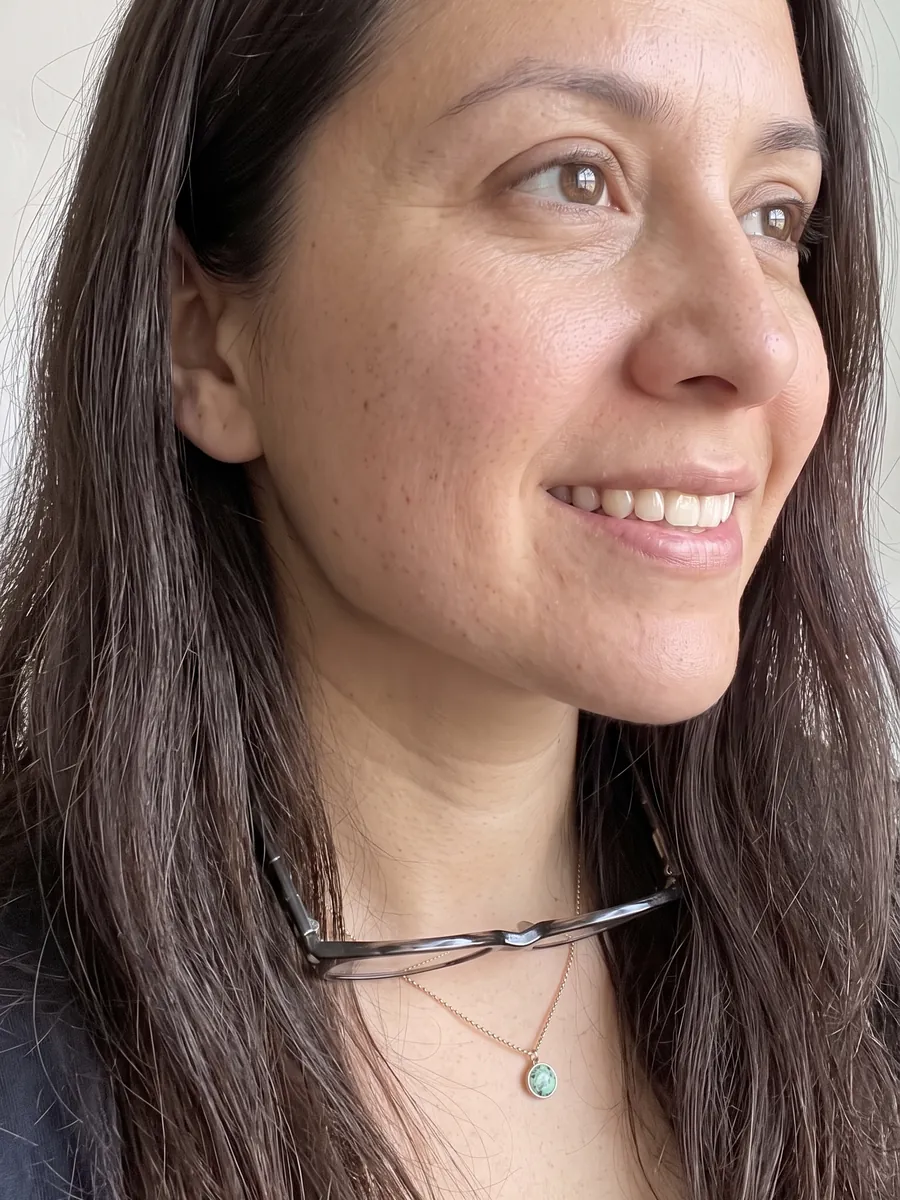
In profile, the cheek is seen edge on. Added volume shows as a slightly fuller curve below the eye, behind the line of the nose, and a moderate change is much harder to read there than the highlight it moves from the front. That is why the Cosmetic Preview for this procedure is shown from the front only. Mevona still asks for three photos, front and both sides, because the Facial Dossier reads your whole face, and because the other procedures you may compare on the same photo, such as buccal fat removal, also read in profile.
Techniques and variants
Cheek augmentation covers several techniques. The most common distinctions:
- Hyaluronic acid filler. The most common filler according to Cleveland Clinic, lasting about a year in the cheeks, and the one this page illustrates. A provider can often dissolve it if it moves. For the question of volume, see how much cheek filler.
- Other fillers. Calcium hydroxylapatite lasts about 15 months according to Cleveland Clinic. Poly-L-lactic acid helps the body build its own collagen and lasts two years or more.
- Cheek implants. Silicone or porous polyethylene, placed through an incision inside the mouth or under the eyelid, in up to about an hour. Cleveland Clinic distinguishes implants set on the cheekbone for a more angular look from those placed to fill a sunken area, and notes that both can be combined. They are permanent and can be removed.
- Fat grafting. Your own fat, taken from another area and placed in the cheeks. Facial fat grafting had the largest percentage increase of any cosmetic surgical procedure in the ASPS 2025 report, up 39 percent to 34,117. Asked about their facial rejuvenation methods, 69 percent of ASPS member surgeons cited hyaluronic acid fillers and 49 percent fat grafting.
Who usually considers it
People arrive at this page from a few starting points: cheeks that look flatter than they used to, a face that has hollowed after weight loss, cheeks that have always looked thin, or the wish for a little more definition at the cheekbone in photos. The ASPS names the first and third. Its 2025 report links part of the demand for facial volume to the hollowing that can follow rapid weight loss on GLP-1 medications, the look popular culture calls "Ozempic face". If the hollow sits under the eye rather than on the cheekbone, the starting point is different: see lower blepharoplasty and under-eye bags.
None of that says whether cheek augmentation is right for a given face. That is not something a page or a preview can tell you. What a preview can do is show you the direction and the distance, so that when you discuss it with a qualified professional, you already know which dose you were picturing and where you would stop. The zone page, cheeks, puts the three cheek procedures side by side.
Cheek filler vs cheek implants and fat grafting
| Hyaluronic acid filler | Cheek implants | Fat grafting | |
|---|---|---|---|
| What it is | Filler placed around and above the cheekbones | A solid implant of silicone or porous polyethylene on the cheekbone | Your own fat moved to the cheeks |
| What it can do | Add fullness and definition, according to Cleveland Clinic | Add permanent volume and a more defined bone line | Add volume or lift, the goal the ASPS gives for all three |
| How long it lasts | About a year according to Cleveland Clinic; 15 to 24 months for a volumizing filler in one study | Permanent | Long-lasting, according to the ASPS 2025 report |
| Recovery | A few days of possible bruising and swelling; no strenuous exercise for 24 to 48 hours | Back to work within a week; swelling for several weeks to a month | Surgery at two sites, where the fat is taken and the cheeks |
| Reversibility | Can often be dissolved | Can be removed | |
| Risks named by the source | Bruising, swelling, lumps, filler moving; very rarely vessel injury, tissue death or vision loss (Cleveland Clinic) | Implant displacement, scar tissue around the implant, infection, asymmetry (ASPS) | Fat necrosis, fatty cysts, lumpiness, a rare risk of blindness (ASPS) |
The preview on this page illustrates volume at the cheekbone, not one technique. Filler, an implant and grafted fat can all add volume in the same place, with different ways of getting there and different ways of undoing it.
Cost, recovery, risks
Cost
| Typical range | $715 to $3,876 |
|---|---|
| Source | ASPS averages, no range published: $715 for hyaluronic acid dermal fillers, quantity not stated; $3,876 surgeon fee for cheek implants, which excludes anesthesia, operating room facilities and other related expenses |
Indicative. A quote depends on the technique, the city and the practice.
The ASPS reports an average cost of $715 for hyaluronic acid fillers and does not say what quantity of filler that figure covers. It also notes that health insurance does not cover dermal fillers, and that the cost varies with the person placing the filler, the time needed and the city. Filler is repeated, so the cost recurs. The ASPS average of $3,876 for cheek implants is the surgeon's fee alone; anesthesia, the operating facility and related expenses come on top.
Recovery
- Day 0Filler is placed in about 15 to 30 minutes according to Cleveland Clinic. The change shows right away, under some swelling.
- Day 1 to 2Strenuous exercise waits 24 to 48 hours. Cleveland Clinic also mentions sleeping on your back, not touching the area and staying out of the sun.
- Week 1Bruising, swelling and tenderness, when they happen, fade over a few days. After cheek implants, most people are back at work within a week.
- Week 4After cheek implants, redness and swelling take several weeks to a month to clear, and the final result shows once they have, according to Cleveland Clinic.
- Month 12Cleveland Clinic puts hyaluronic acid filler at about a year and calcium hydroxylapatite at about 15 months.
- Month 15 to 24In a study of 235 people, median volumes of about 2 ml of a volumizing hyaluronic acid filler held for 15 to 24 months, depending on the area of the cheek.
Two sources frame the timeline. Cleveland Clinic describes cheek filler as a visit of 15 to 30 minutes, with possible bruising, discomfort and swelling for a few days and no strenuous exercise for 24 to 48 hours; after cheek implants, it puts the return to work within a week and the end of visible swelling at several weeks to a month. A study of 235 people treated with a volumizing hyaluronic acid filler measured how long the change held: 24 months in the front of the cheek, 19 months over the cheekbone and 15 months in the hollow below, at median volumes of about 2 ml.
Risks
For surgical cheek augmentation, the ASPS lists anesthesia risks, asymmetry, bleeding, infection, implant displacement, thick scar tissue around an implant, fat necrosis, fatty cysts and lumpiness after fat transfer, numbness, skin discoloration and prolonged swelling, a suboptimal result and the possible need for revision, and blindness as a rare complication of fat transfer. For filler, Cleveland Clinic lists bruising, swelling, small lumps and filler moving as common, and, very rarely, injury to a blood vessel with tissue death or vision loss.
A cohort of 370 US dermatologists gives the vessel risk a scale: about one blocked vessel per 6,410 ml of filler placed with a sharp tip and one per 40,882 ml with a blunt cannula, with 85 percent of blockages leaving no lasting effect. Your own risk depends on your face, the product and the person placing it, and belongs in a consultation with a qualified professional. Cosmetic Previews are illustrative and do not predict the result of any procedure.
Often combined with
Two combinations come up often enough that Mevona previews them on the same photo:
- Facial volume restoration. When the hollowing reaches the temples as well as the cheeks, volume is often discussed for both areas together, so the cheekbone does not stand out alone. See facial volume restoration.
- Buccal fat removal. It works in the opposite direction, below the cheekbone. On the same photo, a little more at the apex and a little less fullness underneath both make the cheekbone read higher, which is why the two are often looked at together. See buccal fat removal.
The combination previews use the moderate dose of each procedure, from the front.
Send three photos from your phone, front and both sides, in your own light. Pick cheek augmentation and a dose, and see the change at your cheekbones while the rest of your face stays yours. Go from a touch more at the apex to the full cheek contour, and notice where it stops looking like you. Then compare it with buccal fat removal or facial volume restoration on the same photo. Previews are ready while you wait, and your Facial Dossier follows within 24 hours, with the cheeks section read. One membership, $99 a year, all 29 procedures. Take your time, then decide.