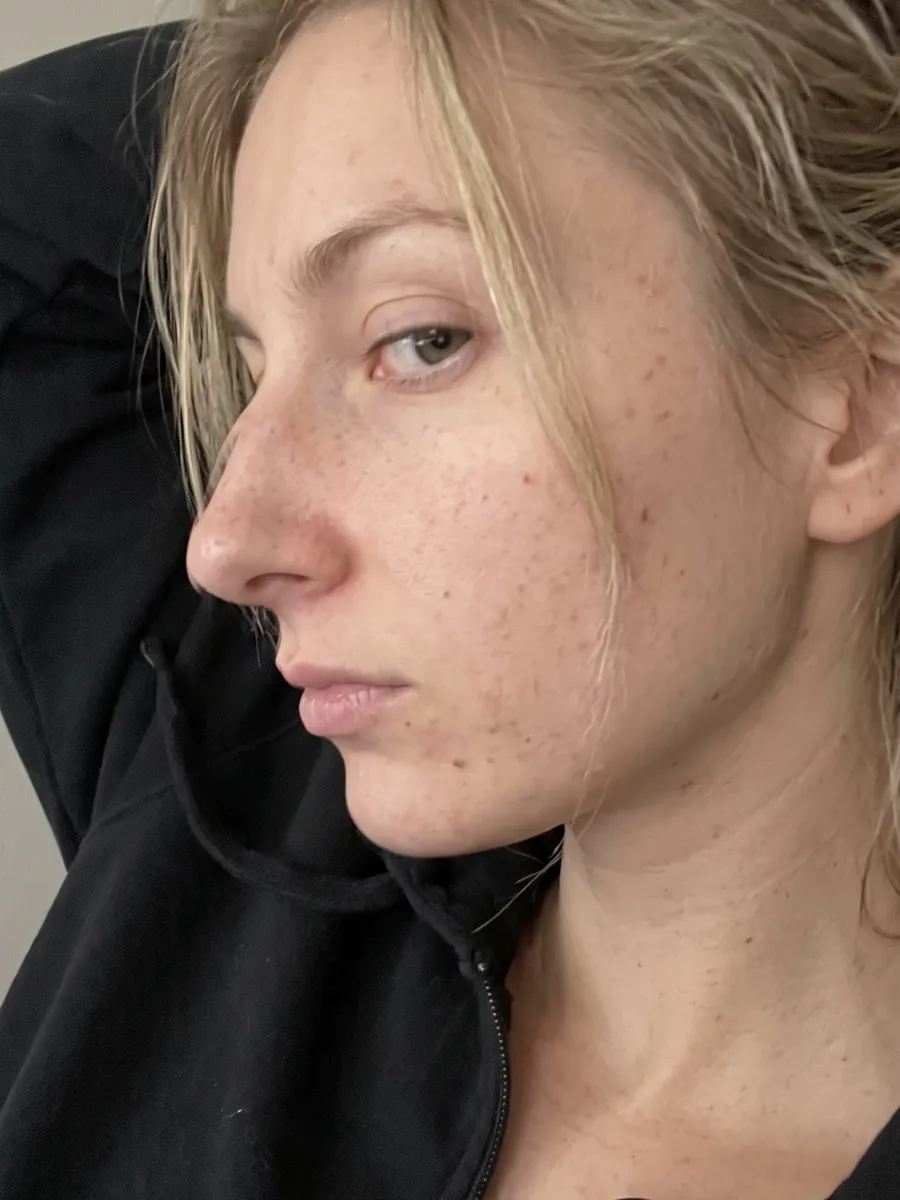
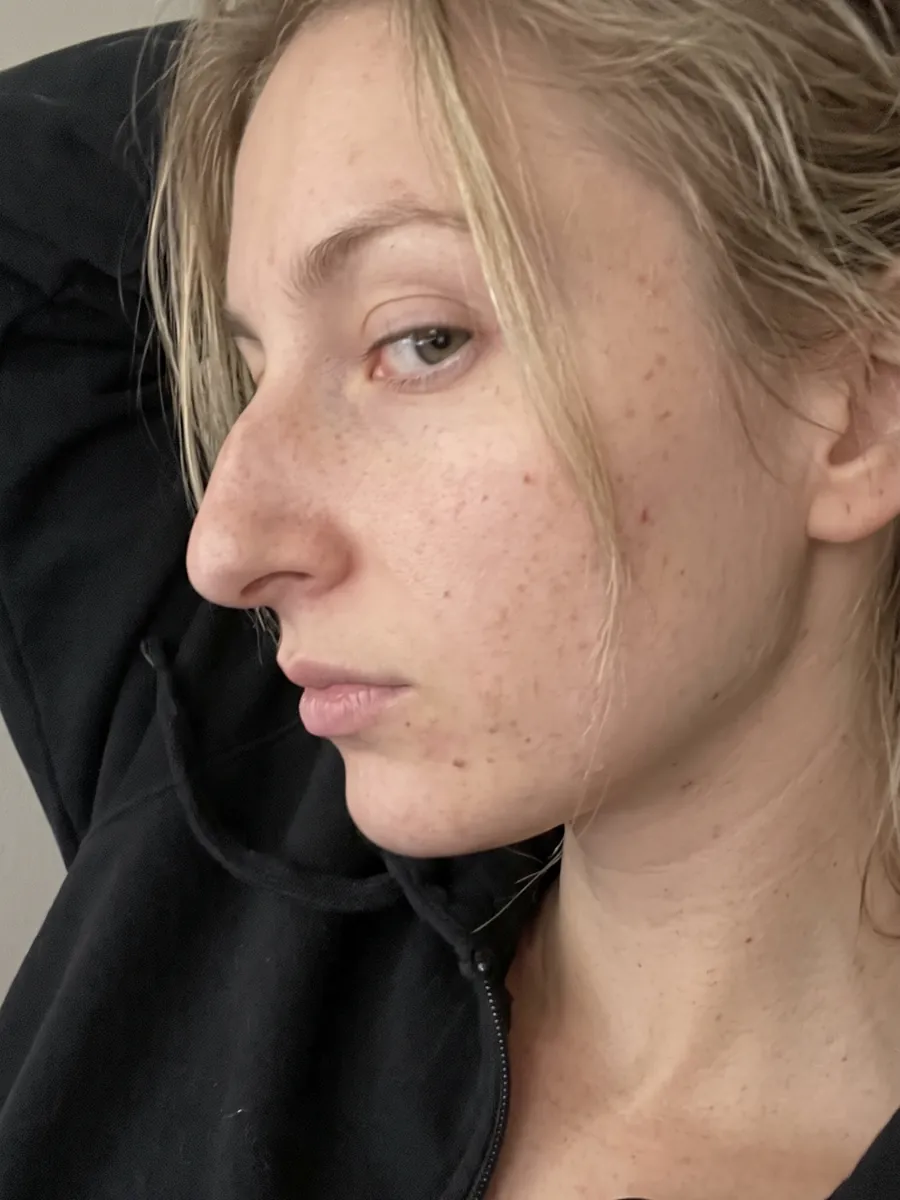
What you'd look like with a chin implant, on your own face
By Jérémie Aouate, founder of Mevona. Updated October 22, 2026.
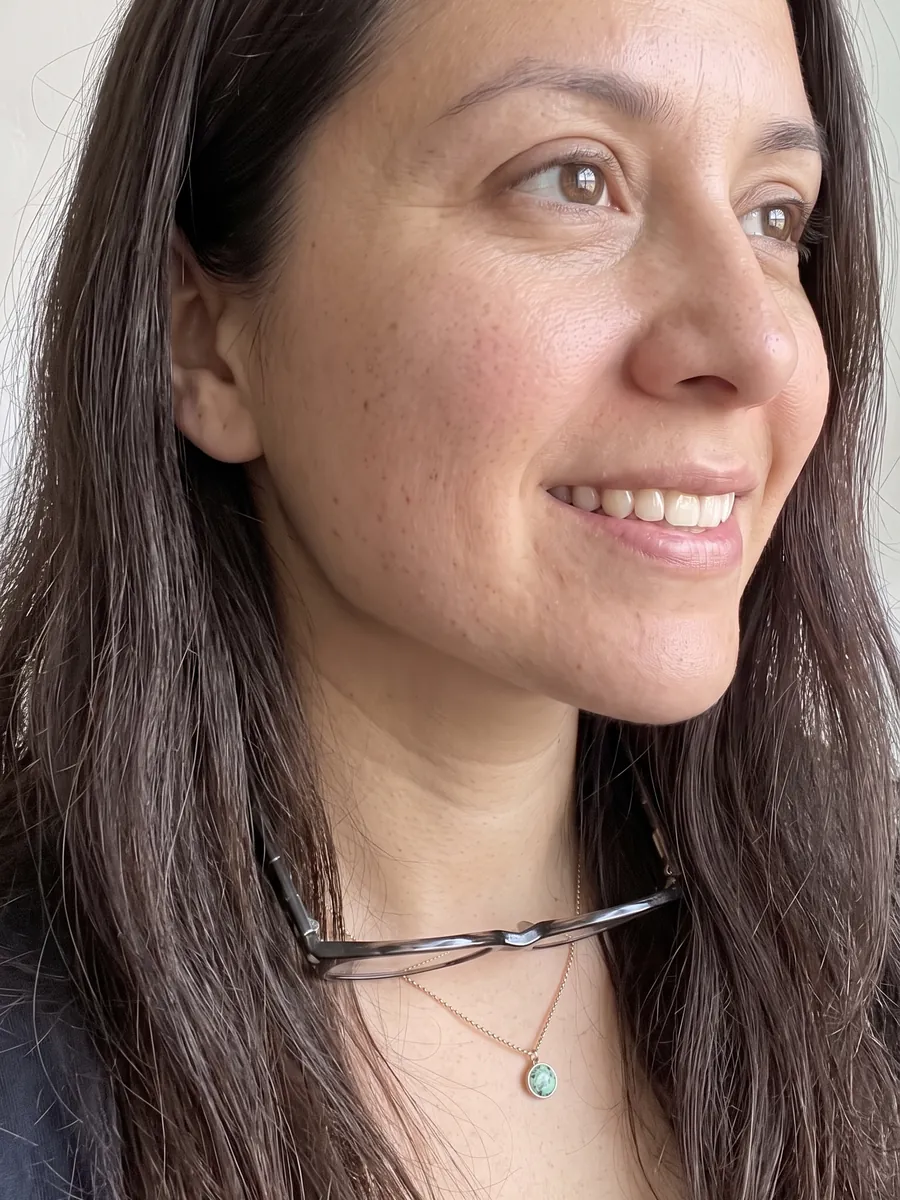
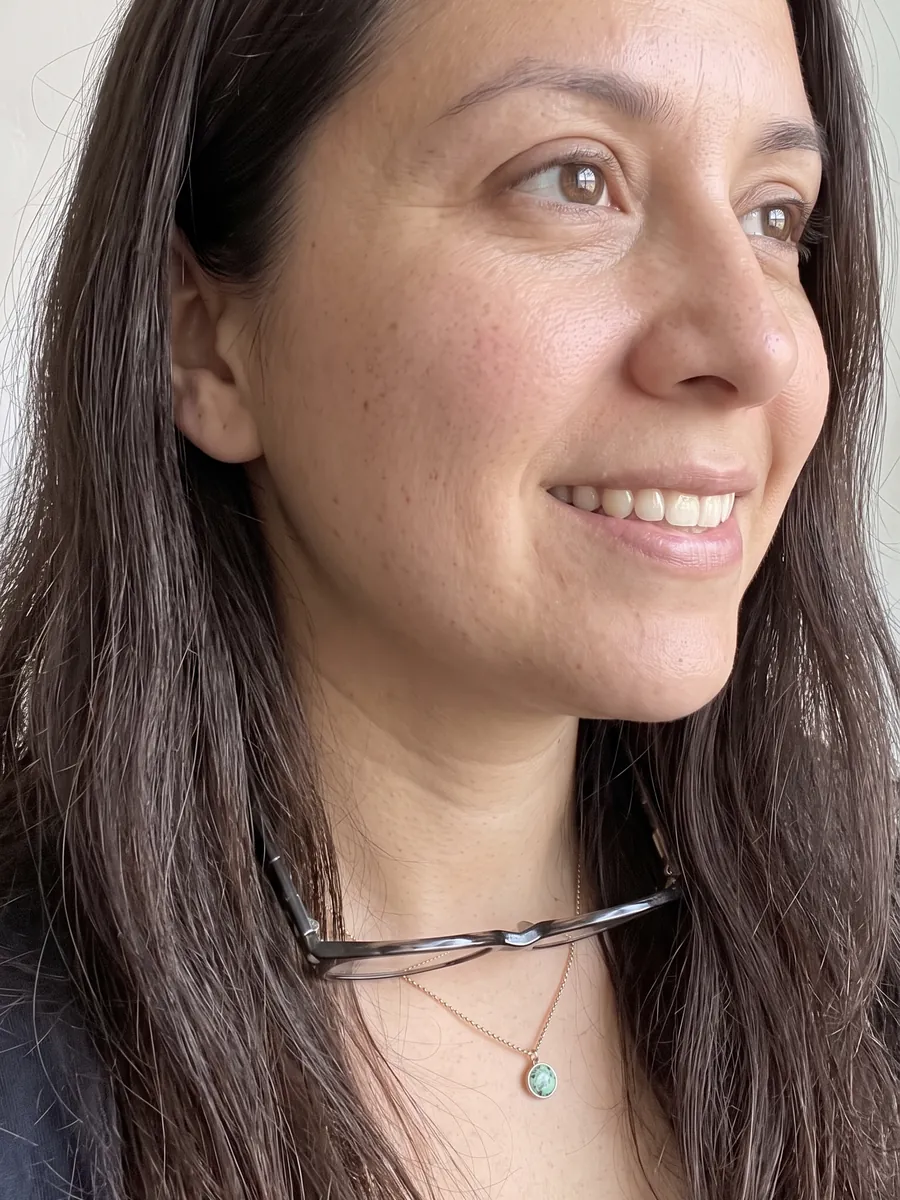
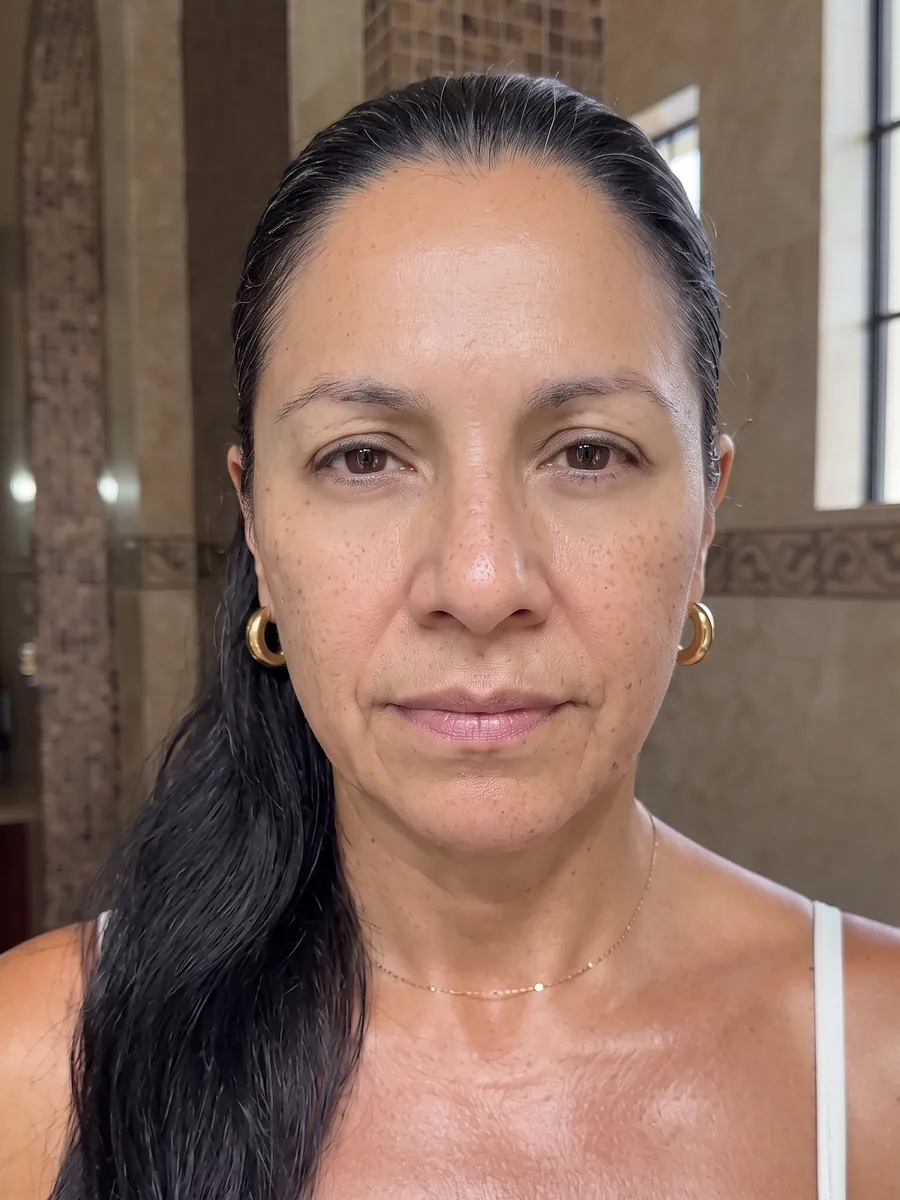
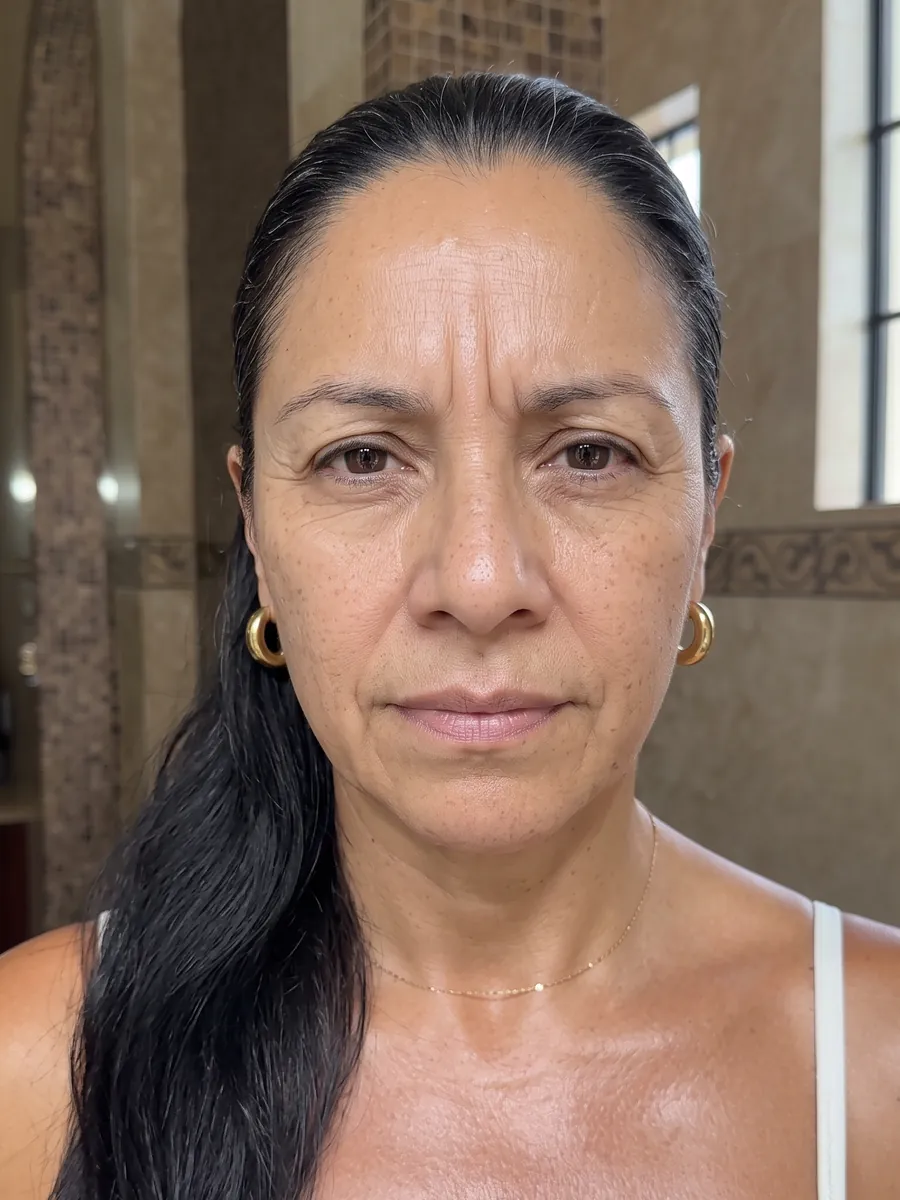
A chin augmentation brings your chin forward and, at the strongest dose, a little longer: more projection in profile, a slightly longer lower face from the front. This page shows what that looks like on one whole face, at three doses, in profile and from the front, and how to see the same thing on your own photos. What you see here is a Cosmetic Preview, an illustration of the kind of change, not a predicted result.
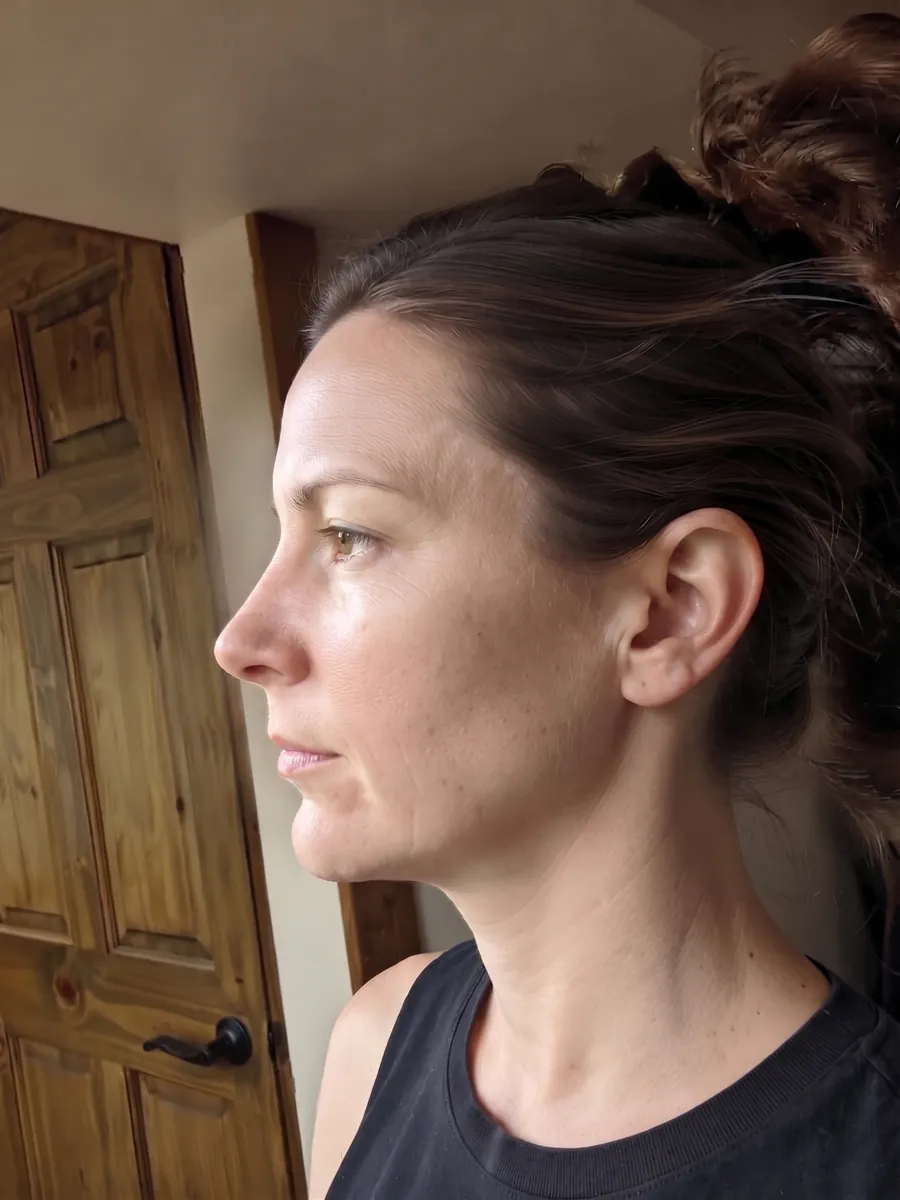
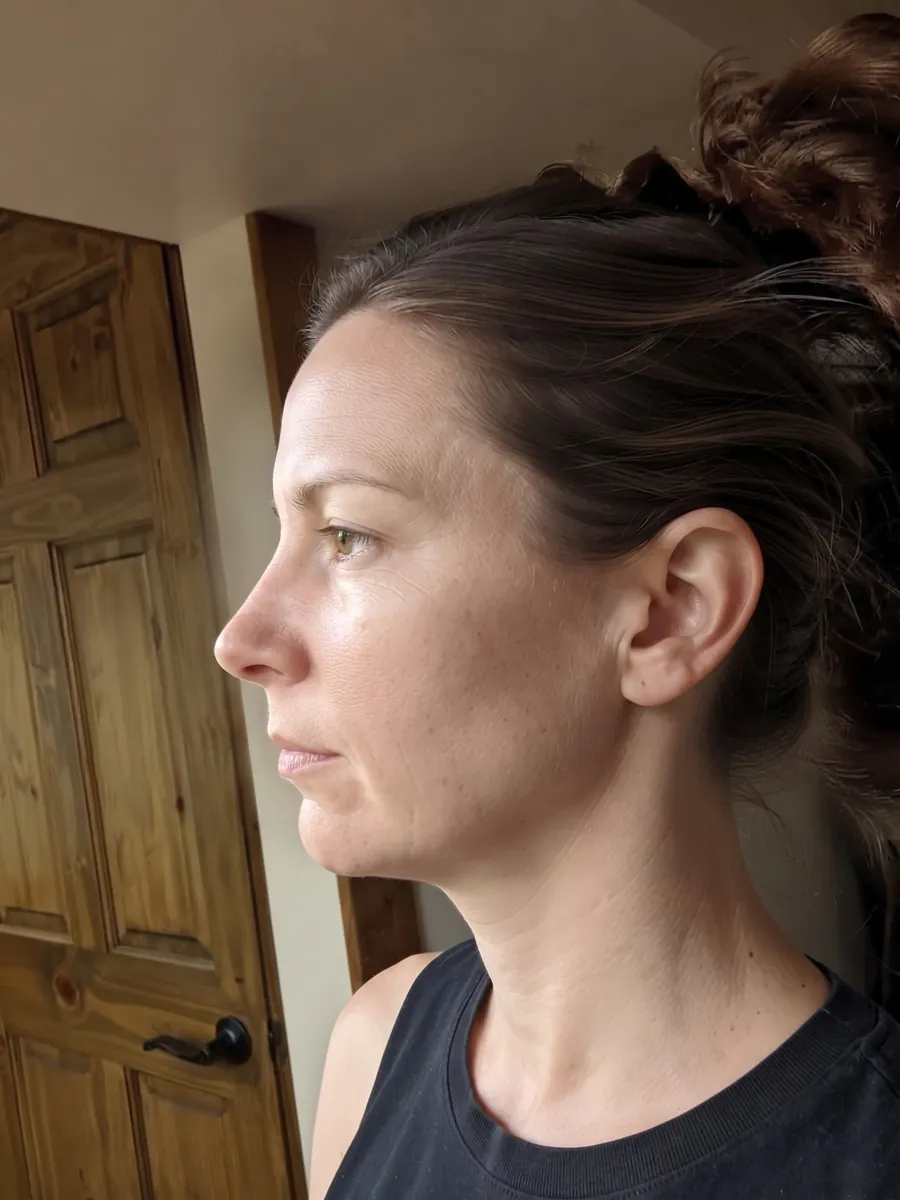
In short
- Chin augmentation adds projection to a chin that is short or sits back. According to the ASPS, it is done with a shaped implant placed on the bone, or by moving the chin bone itself forward, a sliding genioplasty.
- People often come to it through their profile. The ASPS notes that many surgeons recommend chin surgery along with rhinoplasty, because chin size can make the nose look larger or smaller.
- The ASPS states that the results of solid chin implants are permanent. Filler in the chin is temporary; one randomized study measured its effect through 48 weeks.
- Average US surgeon fee: $3,641 according to the ASPS, before anesthesia and operating room fees. No range is published.
- This page shows the chin at three doses on the same photo, in profile and from the front, and what the Facial Dossier reads on the jaw and chin before any of it.
What chin augmentation changes
Your chin is the front of the lower jaw: a block of bone, a small muscle over it, then a pad of soft tissue and skin. Chin augmentation works on the bone layer. An implant, most often a flexible piece of silicone according to Cleveland Clinic, sits directly on the bone and carries the soft tissue forward. A sliding genioplasty cuts the lower part of the chin bone, moves it, and secures it with plates and screws. Either way, what you see from the outside is the soft tissue following the bone, and it does not follow one to one. A 2025 systematic review of 1,126 people found that the soft tissue followed the bone movement at about 85 percent after a genioplasty, and the projection of the implant at about 66 percent.
What moves is the chin: forward in profile, and at the full dose slightly down as well, which lengthens the lower third of the face. From the front, a chin that comes forward also reads a little stronger and more defined where it meets the jaw. Everything else stays. Your lips, your nose, the angles of your jaw, your neck and your expression are the same in the preview.
That matters, because a chin change is easy to confuse with other things in a before and after. A lowered head, a different lens distance or a clenched jaw all move the chin line in a photo. A fair comparison keeps all of those identical, which is what a preview on a single photo does by construction.
In the Facial Dossier, the chin is read inside the jaw section, number 8 of 17. It reads your jaw width with guides on your photos, looks at the chin as part of the lower face, and ends with one of three verdicts: keep, change, or discuss. The Dossier does not put a millimeter figure on chin projection; the profile preview is where you look at projection. The proportions section, number 11, measures your face width-to-height ratio, which a longer chin shifts slightly.
Where you'd stop: subtle, moderate, full
Mevona shows every procedure at three doses on the same photo. They are not surgical plans. They are three distances along the same direction, so you can see where you would want to stop. The names below are the ones you will see in the app.
Subtle: a touch more projection
The chin comes forward a little, and in profile the slope from the lower lip down to the chin is less steep. From the front, almost nothing changes, except that the chin catches slightly more light. This is the dose to look at if you want the profile to read more balanced without anyone naming what changed.
Moderate: a clearly forward chin
In profile, the front of the chin now comes close to the line of the lower lip. The line from the chin to the neck lengthens, so the area under the chin also reads cleaner. From the front, the lower face looks a touch stronger, and the face still reads as the same person.
Full: full projection and length
The chin is at its most forward, and it is also a little longer, so the lower face gains height as well as projection. In profile the change is obvious at a glance. This is the largest change the preview shows in one pass, and the one to check against your nose and your jaw before anything else.
Surgeons do not work in doses. They choose an implant shape and size, or a distance to move the bone, for your anatomy. If you want an anchor, the three doses sit roughly where the small, medium and large implant categories sit, but this is indicative only: those categories differ from one manufacturer to another, according to a paper on implant sizing in the Canadian Journal of Plastic Surgery. The three doses are a way of looking, not a menu. What is achievable on your chin is a conversation to have with a qualified professional, with your photos and the preview in hand if you like.
Front and profile
Chin augmentation is a profile procedure first. Projection, the distance your chin sits forward, only exists in profile, and that is where two lines either change or do not: the line from the lower lip to the chin, and the line from the chin to the neck. From the front, the same change shows up in a quieter way: a chin that looks a little stronger, more definition where the chin meets the jaw, and a lower face that looks slightly longer at the full dose.
That is why Mevona asks for three photos, one from the front and one from each side, and why the main visual on this page is the profile. Look at the profile first for projection, then at the front view to check that the length still suits your face. If the full dose looks right in profile but long from the front, compare it with the moderate dose before you settle on anything.
Techniques and variants
Chin augmentation covers a few different operations, plus one option without surgery:
- Chin implant. A shaped implant, most often silicone according to Cleveland Clinic, placed directly on the bone through an incision inside the mouth or under the chin, per the ASPS. The ASPS states that solid chin implants give permanent results. Choosing a size is its own question: see what size chin implant.
- Sliding genioplasty. The surgeon cuts the lower part of the chin bone, moves it forward, backward or sideways, and secures it with plates and screws, according to Cleveland Clinic. The 2025 review cited above found high satisfaction after both genioplasty and implants, and changes in sensation after genioplasty that were common at first and persisted in 7.4 to 12.5 percent of people across studies. See sliding genioplasty vs chin implant.
- Chin filler. Gel filler placed over the bone with no incision. The ASPS describes it as an option that may last a shorter time than surgery. The comparison is below.
- Jaw surgery. When the bite is part of the picture, the ASPS notes that changes to the upper or lower jaw may be advised to improve chewing and how the teeth fit together. That is a different operation: see lower jaw advancement.
- Chin reduction. The opposite direction: bone removed from a chin that projects too far forward, per the ASPS. See chin reduction.
Who usually considers it
People arrive at this page from a few starting points: a chin that sits behind the lower lip in profile, a short distance between the chin and the neck, a nose that looks large in side photos, or a lower face that looks short from the front. The ASPS describes chin surgery for a chin that is too short or lacks projection, and notes that surgeons often suggest it to balance the chin with the jaw, the cheeks and the forehead. Cleveland Clinic lists a normal bite and finished bone growth among the conditions it looks for, and the ASPS points to jaw surgery when the bite itself needs to change.
None of that says whether chin augmentation is right for a given face. That is not something a page or a preview can tell you. What a preview can do is show you the direction and the distance, so that when you discuss it with a qualified professional, you already know which dose you were picturing and which view it shows best. The concern page goes deeper on the starting point most people name: weak chin.
Chin implant vs chin filler
| Chin implant | Chin filler | |
|---|---|---|
| What it is | A shaped implant, most often silicone, placed on the bone through an incision inside the mouth or under the chin | Gel filler, such as hyaluronic acid, placed over the bone with no incision |
| What it can do | Add projection to a chin that lacks it, according to the ASPS | Add projection; a randomized study enrolled adults with mild to moderate chin retrusion |
| What it cannot do | Change the bite, which belongs to jaw surgery according to the ASPS | Change the bite, or stay: the ASPS notes it may last a shorter time |
| How long it lasts | Permanent for solid implants, according to the ASPS | Temporary; one randomized study measured the effect through 48 weeks |
| Recovery | Back to work within a week per the ASPS; swelling and bruising for a few weeks per Cleveland Clinic | No incision; swelling and bruising at the site are among the effects the ASPS names |
| Reversibility | Removal or replacement takes another operation | Fades with time |
| Risks named by the ASPS | Displacement, capsular contracture, infection, asymmetry, numbness, revision | Bruising, swelling, lumps, asymmetry, infection; very rarely, filler in a blood vessel, with skin loss or vision loss |

The preview on this page illustrates the surgical change: projection and, at the full dose, length. Filler in the chin adds projection too, for a limited time. The full comparison, with both options at the same dose on one face, is on chin implant vs chin filler.
Cost, recovery, risks
Cost
| Typical range | $3,641 to $3,641 |
|---|---|
| Source | ASPS average surgeon fee, no range published; it excludes anesthesia, operating room facilities and other related expenses |
Indicative. A quote depends on the technique, the city and the practice.
The ASPS average of $3,641 is the surgeon's fee alone. Anesthesia, operating room facilities and other related expenses come on top, and the ASPS publishes no range. The ASPS adds that the fee depends on the surgeon's experience, the type of procedure and the location of the office, so the total also depends on whether the chin is done alone or in the same operation as a rhinoplasty. Because filler is temporary, its cost recurs.
Recovery
- Day 0Outpatient surgery under local anesthesia, intravenous sedation or general anesthesia, according to the ASPS. The incision sits inside the mouth or under the chin, and most people go home the same day after a few hours of observation, per Cleveland Clinic.
- First daysLiquids or very soft foods for a few days, according to Cleveland Clinic. The ASPS describes mild swelling over the first few days after an implant.
- Week 1Most people return to work within a week, according to the ASPS. Cleveland Clinic advises no heavy lifting, bending or strenuous activity for at least a week.
- Week 2 to 4Swelling and bruising, which Cleveland Clinic describes as normal for a few weeks, keep fading. The new projection reads more clearly as they go.
- Once healedThe ASPS states that the results of solid chin implants are permanent. Filler placed in the chin is temporary by comparison, according to the ASPS.
Two sources frame the timeline. The ASPS describes mild swelling for a few days after an implant and a return to work within a week for most people. Cleveland Clinic adds the practical side: home the same day after a few hours of observation, liquids or very soft foods for a few days, no heavy lifting, bending or strenuous activity for at least a week, and swelling and bruising that are normal for a few weeks. Time off work depends on the job, from a few days to a few weeks, according to Cleveland Clinic.
Risks
The ASPS lists the known risks of chin surgery: anesthesia risks, bleeding, hematoma, fluid accumulation, infection, asymmetry, implant displacement, thick scar tissue around the implant (capsular contracture), numbness or other changes in skin sensation, persistent pain, poor healing of incisions, unfavorable scarring, a suboptimal aesthetic result and the possibility of revision surgery. Cleveland Clinic adds tingling or numbness in the lower lip or chin, and describes these complications as rare.
A systematic review of 54 studies and 4,897 people puts numbers on it: complications in 15.7 percent of implant cases, including 2.4 percent with transient nerve-related changes, and in 19.7 percent of bone operations, including 16.4 percent with transient nerve-related changes. For filler, the ASPS names bruising, swelling, lumps and asymmetry and, very rarely, filler entering a blood vessel, which can lead to skin loss or vision loss. Your own risk depends on your anatomy and the technique planned, and belongs in a consultation with a qualified professional. Cosmetic Previews are illustrative and do not predict the result of any procedure.
Often combined with
Two combinations come up often enough that Mevona previews them on the same photo:
- Rhinoplasty. According to the ASPS, many surgeons recommend chin surgery along with rhinoplasty, because chin size can make the nose look larger or smaller. In profile the two are read together. See rhinoplasty.
- Jawline contouring. The chin is the front of the jawline, and the ASPS describes chin surgery as a way to balance the chin with the jaw. Previewing both shows whether a more forward chin asks for more definition at the angles of the jaw. See jawline contouring.
The combination previews use the moderate dose of each procedure, in profile.
Send three photos from your phone, front and both sides, in your own light. Pick chin augmentation and a dose, and see your chin come forward while the rest of your face stays yours. Start with the profile, then switch to the front, then put the moderate dose next to rhinoplasty or jawline contouring on the same photo. Your Facial Dossier follows within 24 hours, with the jaw and chin section measured and read. One membership, $99 a year, all 29 procedures. Take your time, then decide.