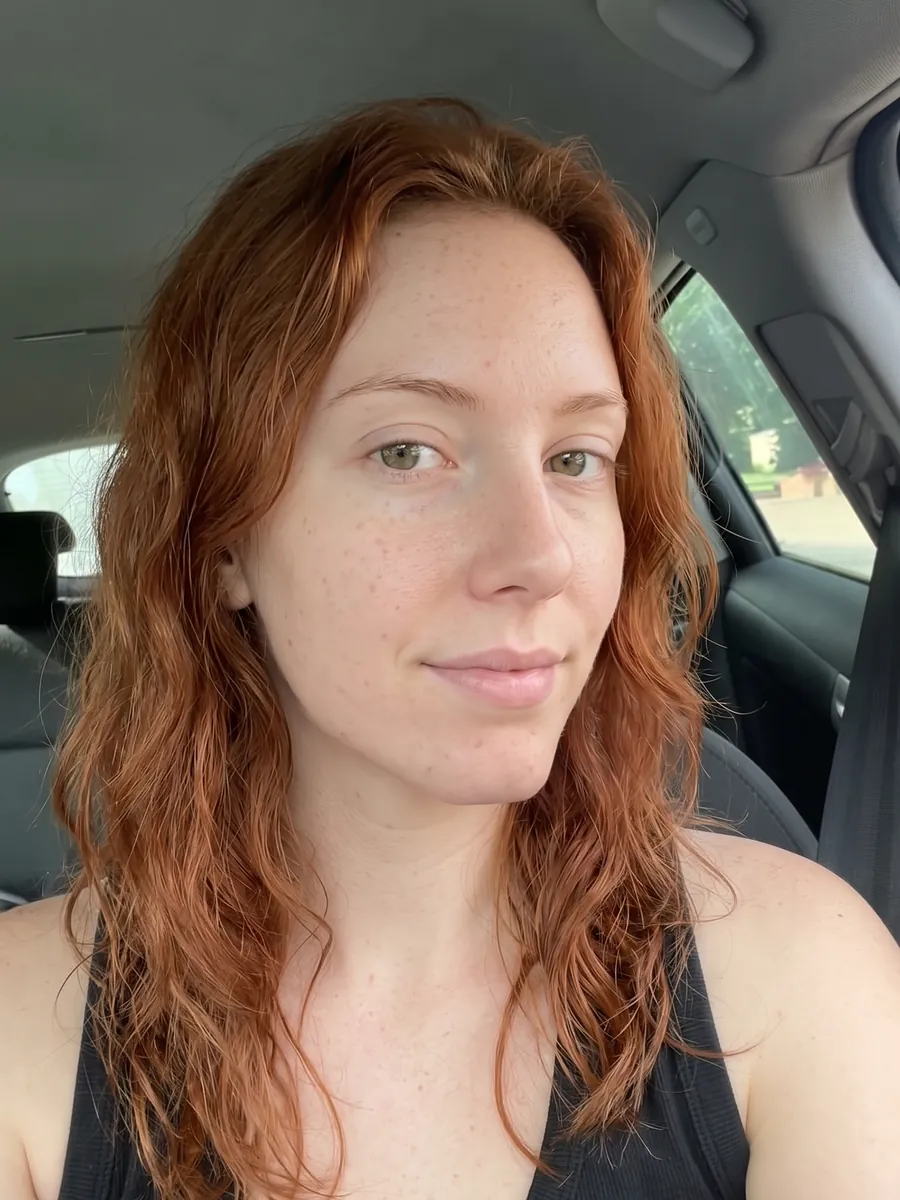
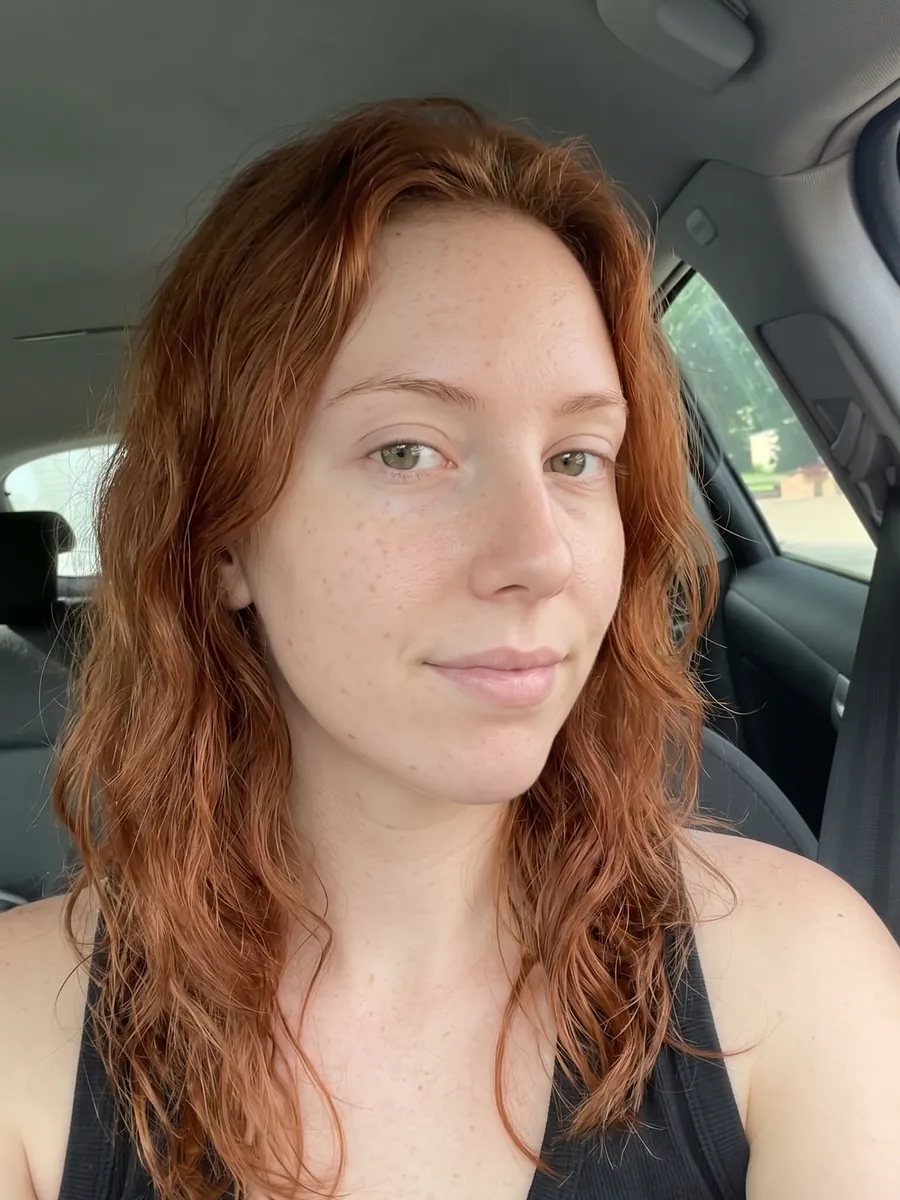
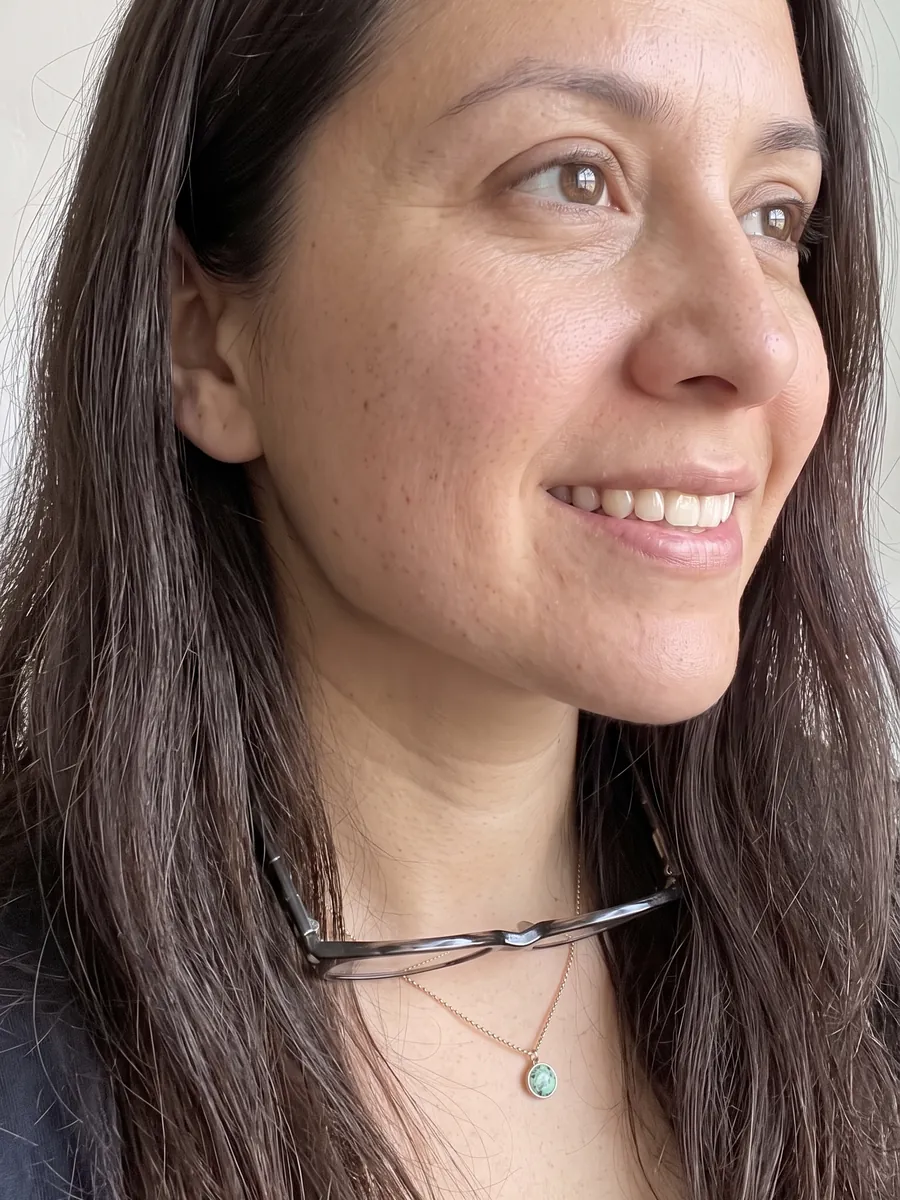
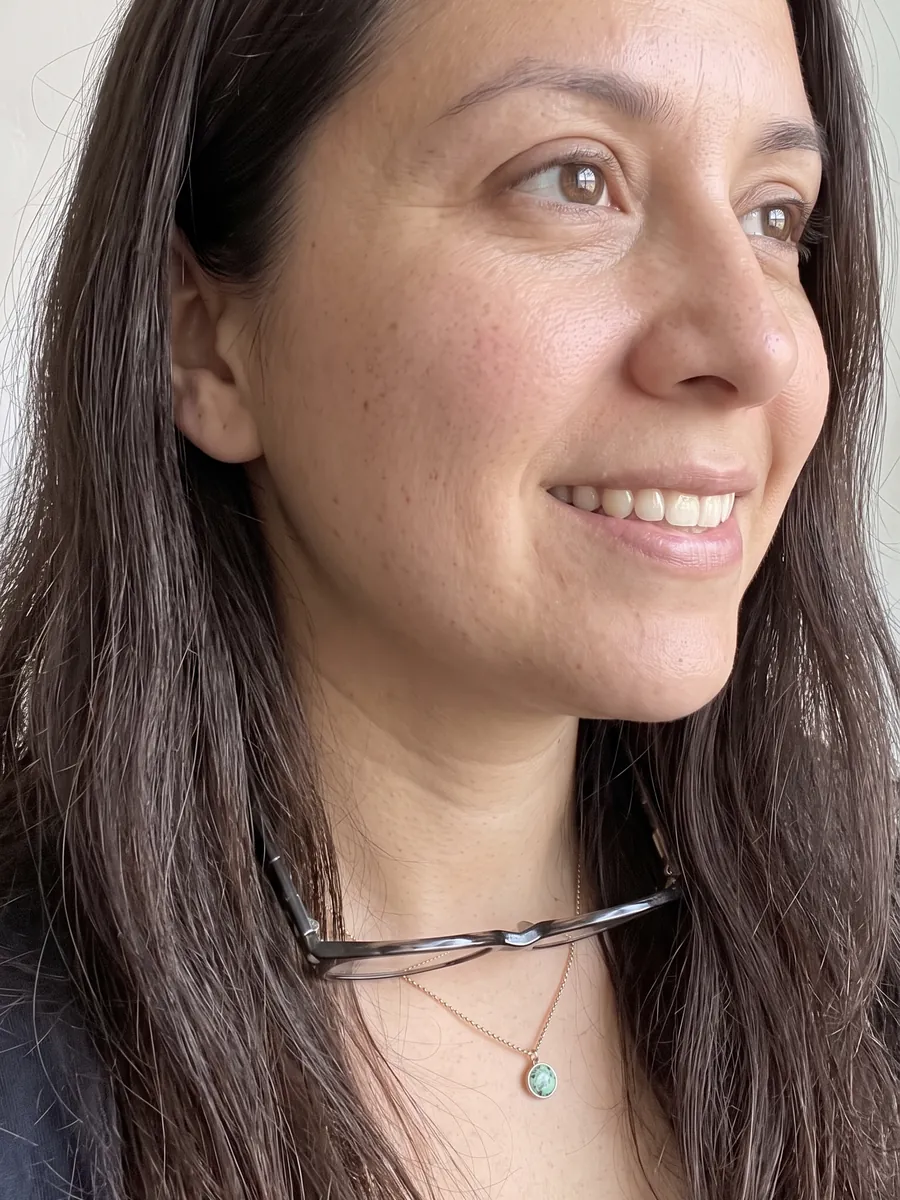
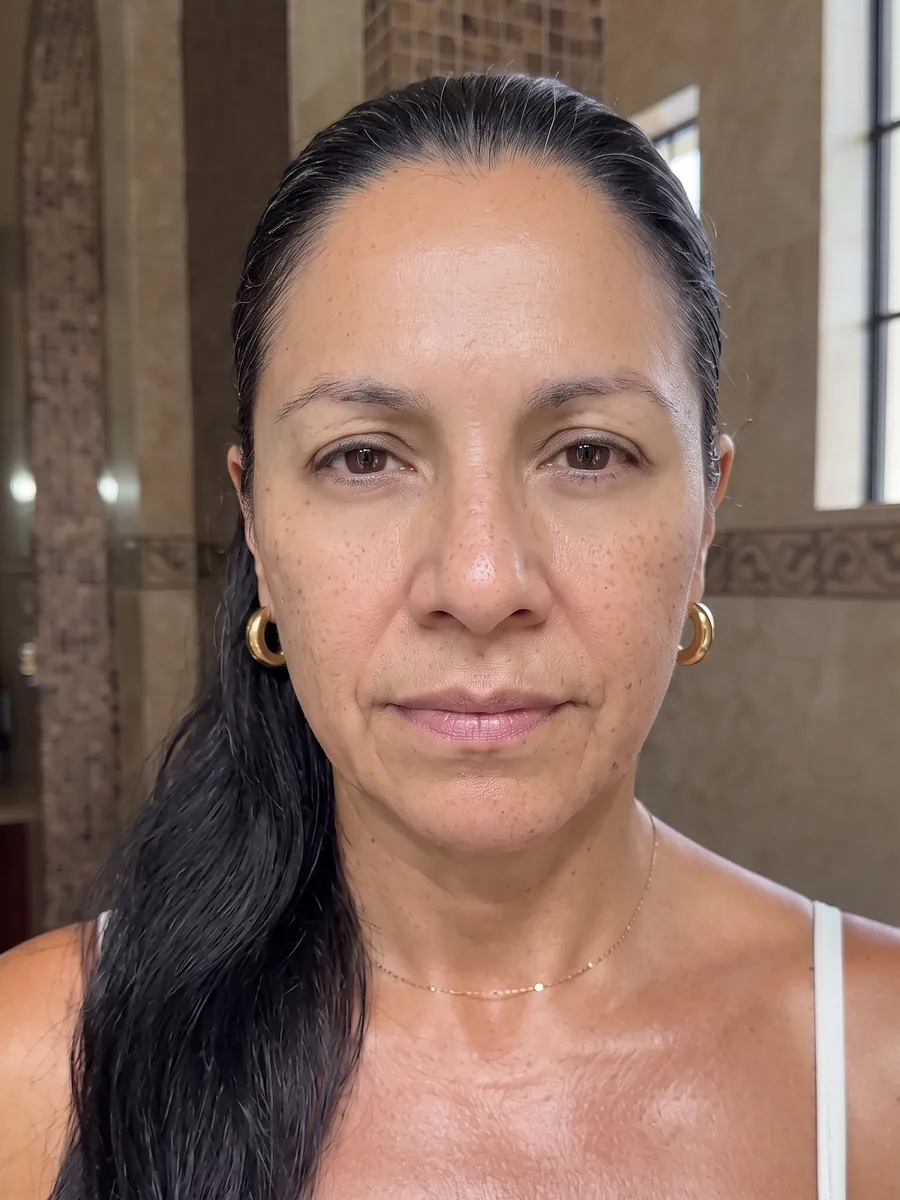
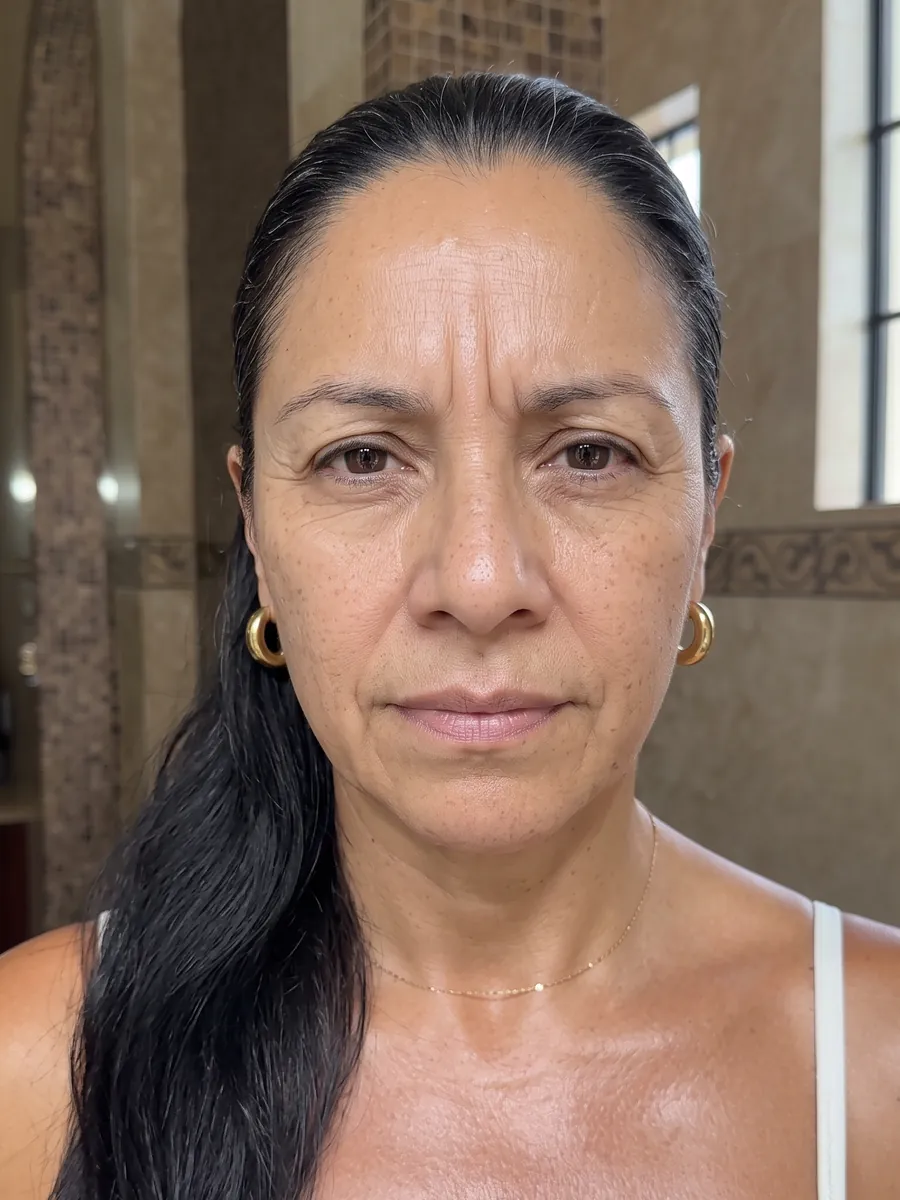
Otoplasty before and after: ears pinned back, on your own face
By Jérémie Aouate, founder of Mevona. Updated October 22, 2026.
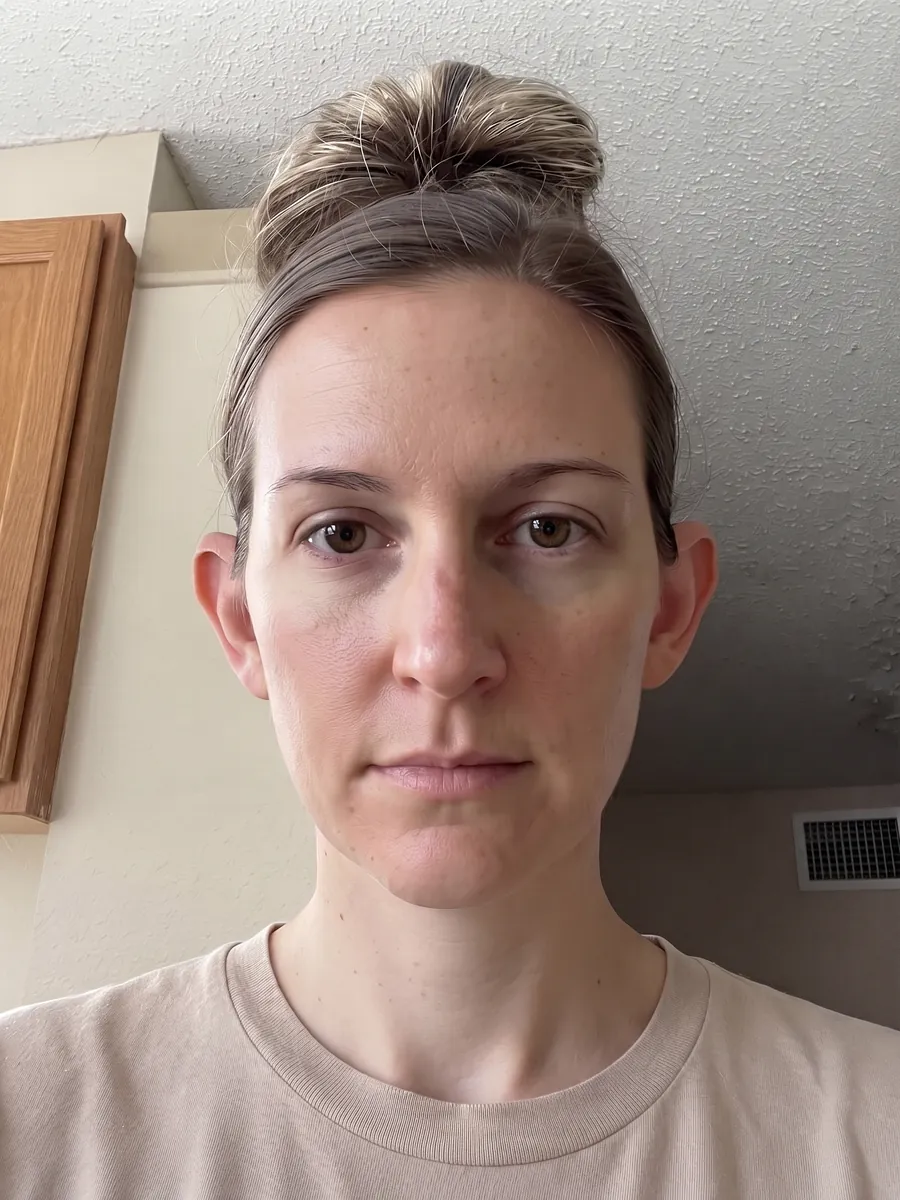
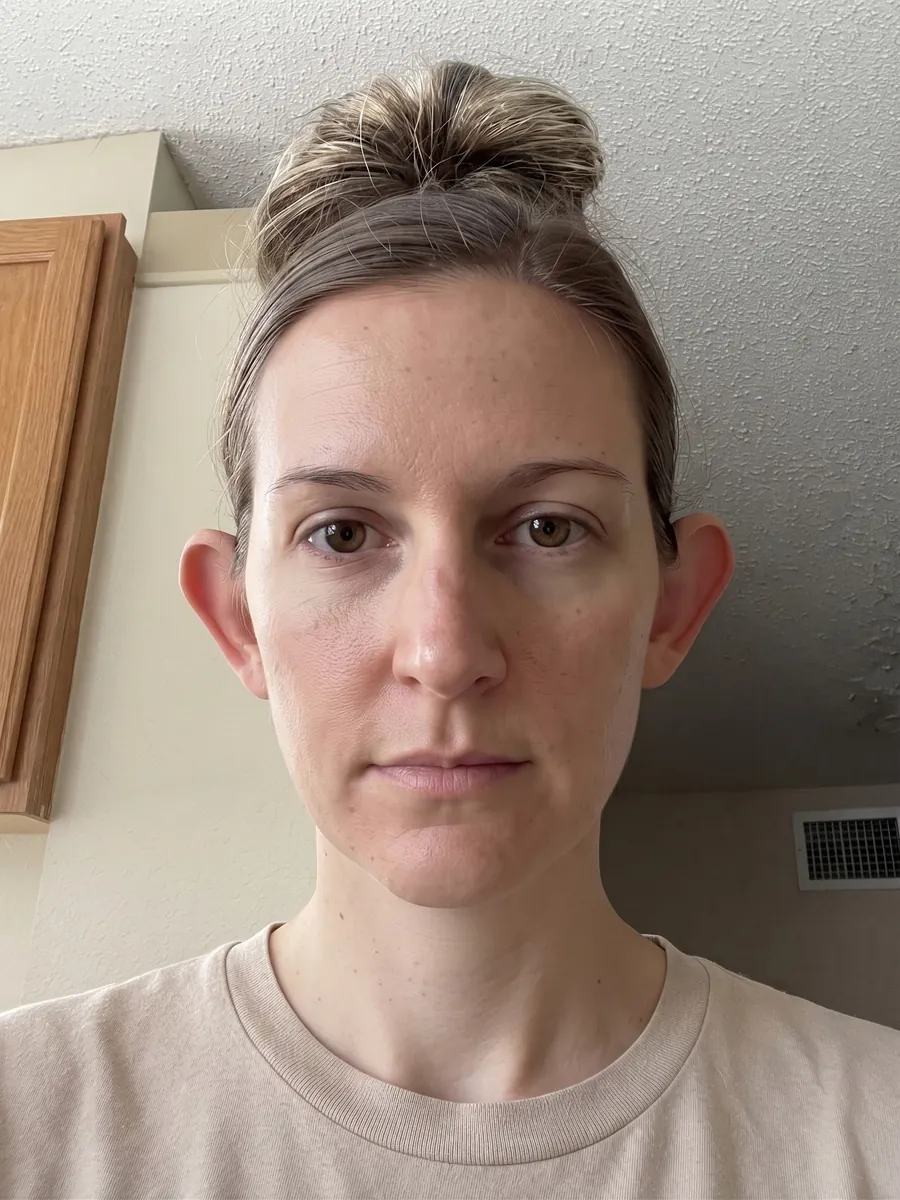
Otoplasty, often called ear pinning, brings ears that stand out closer to the side of the head. This page shows what that looks like on a whole face, at three doses, from the front, and how to see it on your own photos. It is written for adults 18 and over. What you see here is a Cosmetic Preview, an illustration of the kind of change, not a predicted result.
In short
- Otoplasty can change the shape, position or proportion of the ear, according to the ASPS. Ear pinning, the form this page shows, brings protruding ears closer to the head and is meant to be permanent, according to Cleveland Clinic.
- It is most often done in childhood, generally from about age 5 according to the ASPS. Cleveland Clinic says it is most common in children and teens, and that some adults choose it too.
- Recovery: bandages for about a week, a headband for a few weeks, and most people fully recovered in four to six weeks, according to Cleveland Clinic.
- Average US surgeon fee: $4,625 according to the ASPS, before anesthesia and facility fees. No range is published.
- This page shows ears set back at three doses on one face, from the front, and what the Facial Dossier reads around the ears before any of it.
What otoplasty changes
An ear that stands out usually does so for one of two reasons, or both. The fold that runs just inside the rim, the antihelix, can be shallow or missing, so the upper part of the ear opens outward. The bowl next to the ear canal, the concha, can be deep, so the whole ear is pushed away from the head. A 2026 systematic review names both causes and describes a prominent ear as one that typically sits more than 2 cm from the mastoid, the bone just behind the ear, or at an angle of more than 25 degrees to the head.
Ear pinning works on that cartilage from behind. Cleveland Clinic describes incisions on the back of the ear, through which the surgeon weakens or removes the skin or cartilage that makes the ear stick out, then sews the ear into place with permanent stitches. The AAFPRS notes that some surgeons remove no cartilage at all and rely on stitches alone. Other forms of otoplasty make a large ear smaller or build up a small one, according to Cleveland Clinic; this page is about pinning.
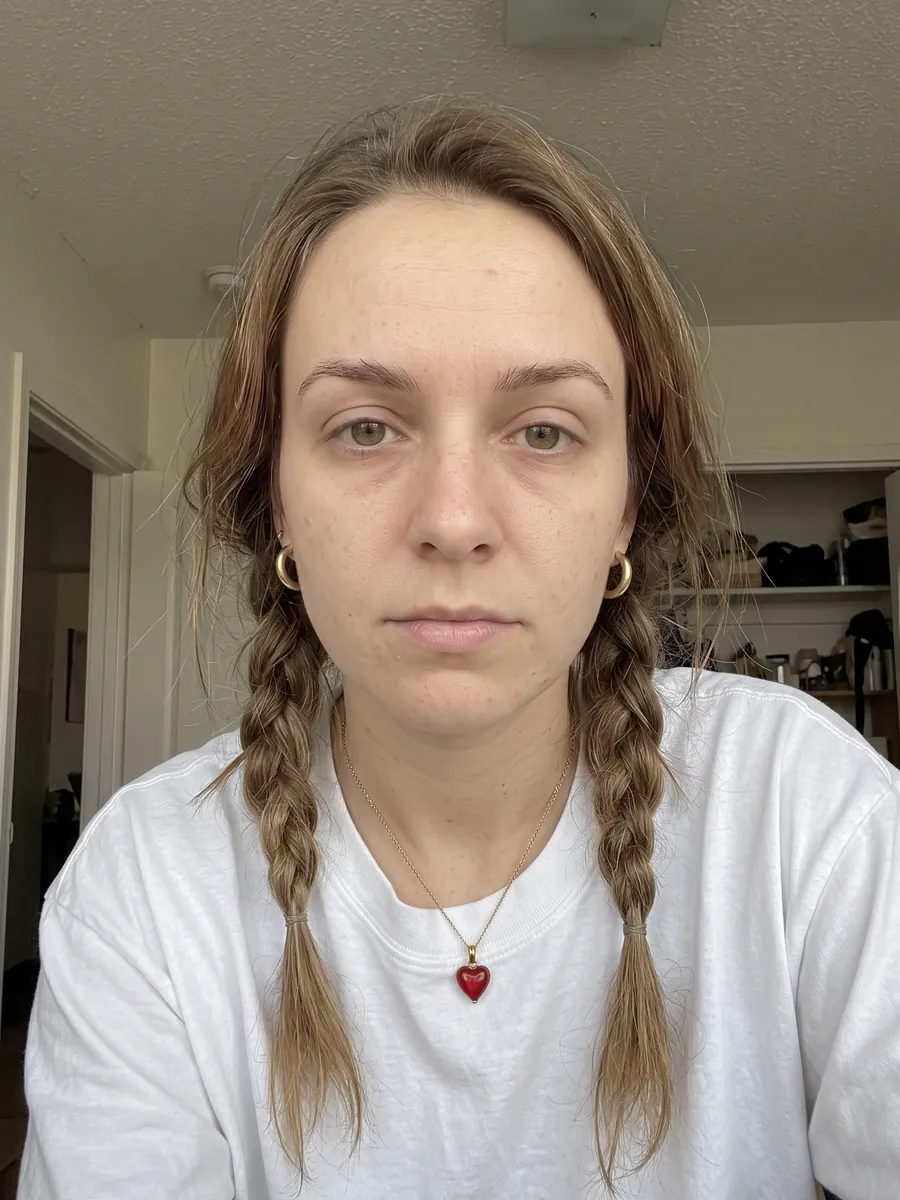
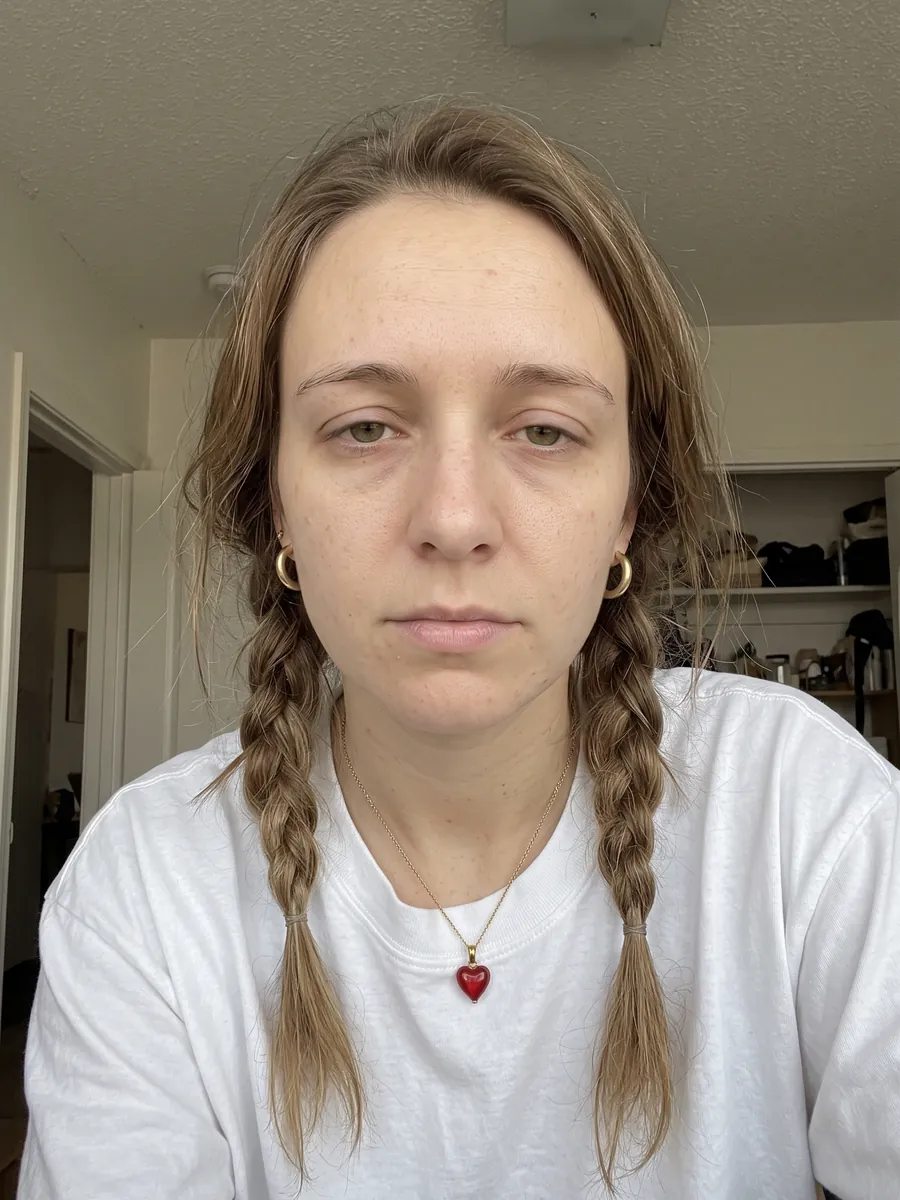
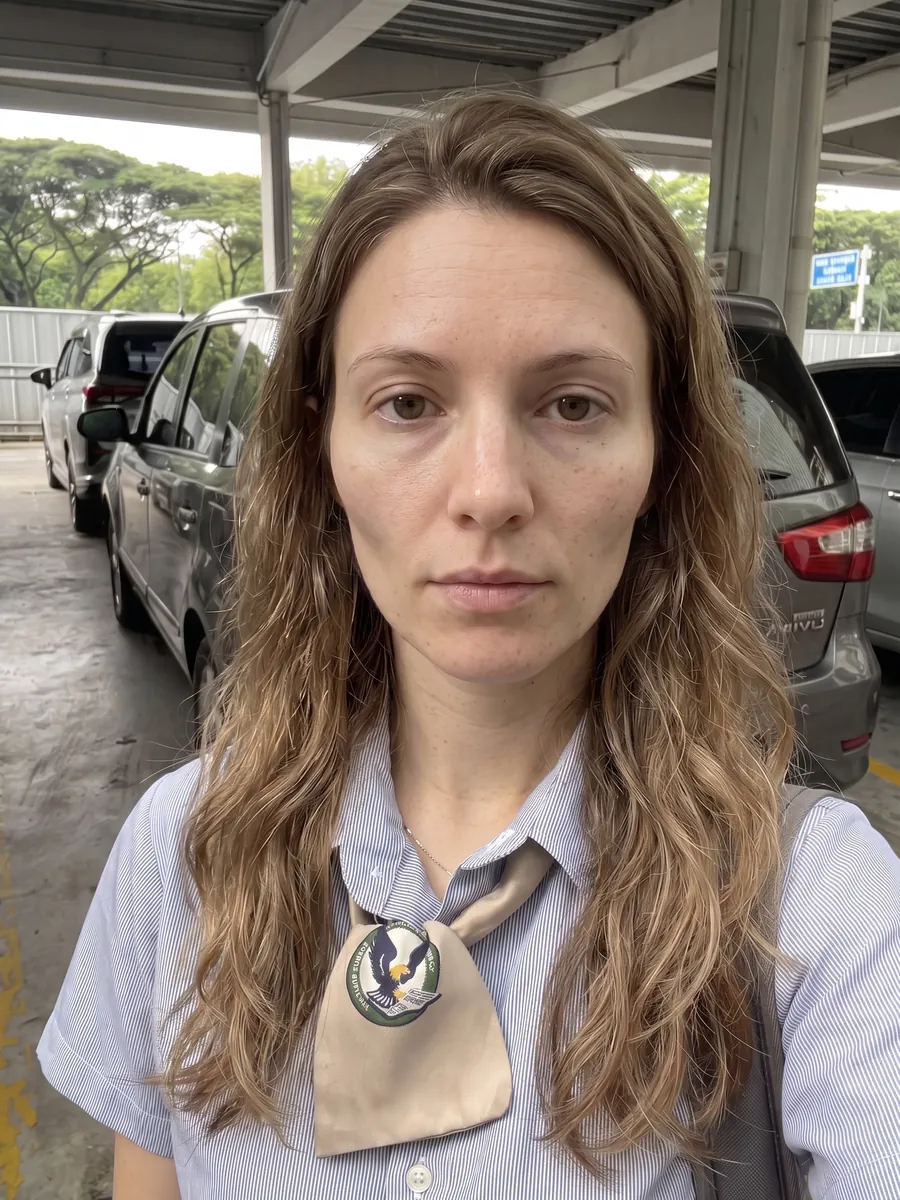
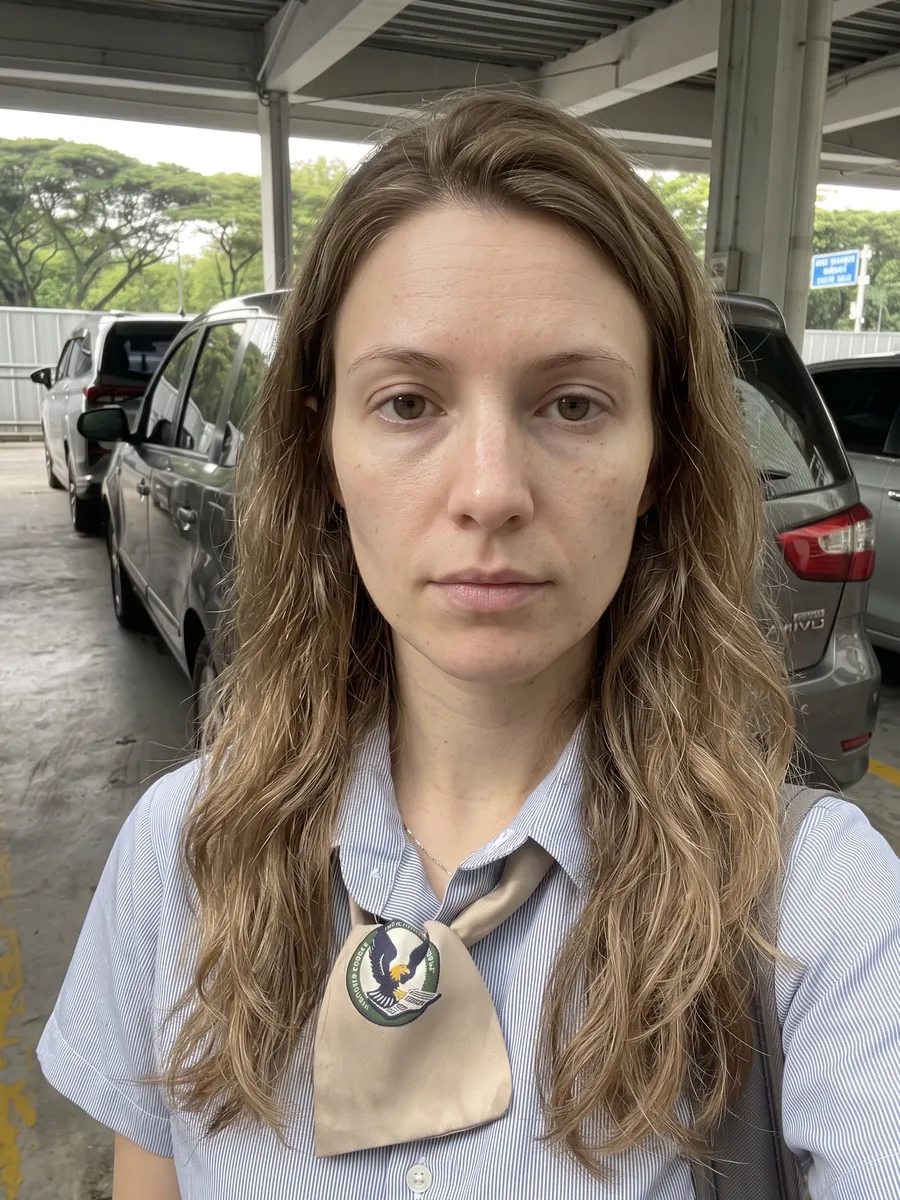
What moves: the angle of the ear to the head, the fold inside the rim, and how much of each ear shows beside your face from the front. What stays: the size of the ear, your hairline, and everything else on your face. If a before and after shows a different haircut, a different camera height or a head turned slightly to one side, part of the difference is not the ears.
The Facial Dossier has no ear measurement. The ears belong to its face shape section, number 13 of 17, which describes the outline the other sections sit in, ears included. Face shape frames the other sections and carries no keep, change or discuss verdict of its own. For the ears, the preview on your own front photo is where to look.
Where you'd stop: subtle, moderate, full
Mevona shows every procedure at three doses on the same photo. They are not surgical plans. They are three distances along the same direction, so you can see where you would want to stop. The names below are the ones you will see in the app.
Subtle: ears a touch closer
The ears come about a third of the way toward the head. From the front, a little less of each rim shows beside the face, and the rest of the outline is unchanged. This is the dose for checking whether a small change is visible at all on your face, or whether only a larger one would register.
Moderate: ears set back
The ears come about two thirds of the way, and the fold inside the rim reads more clearly. From the front, the width across the ears comes closer to the width across the cheeks. This is the dose where the face starts to look different while it still reads as the same person.
Full: ears fully set back
The ears sit close to the head along their whole height, the upper part included. From the front, the rims barely show past the side of the face. This is the largest change the preview shows in one pass, and the one to check against your hair and the shape of your face before deciding where you would stop.
Surgeons do not work in doses. They place stitches and sometimes weaken or remove cartilage, and how far the ear moves depends on your cartilage and on the technique. As an indicative reference only: the 2026 review cited above describes a prominent ear as more than 2 cm from the head or at more than 25 degrees to it, so the full dose reads like an ear brought inside that range, and the subtle dose like one that is still outside it. The three doses are a way of looking, not a menu. What is achievable on your ears is a conversation to have with a qualified professional, with your photos and the preview in hand if you like.
Why the front view
Otoplasty is judged from the front, which is where people see your ears in daily life and in most photos. From the front you see how far each ear stands out beside the cheeks, whether one sits further out than the other, and how the outline of your face reads with the ears in it. That outline is what changes when ears are set back.
A profile photo shows the outer face of the ear against the side of the head, so the angle between the two, the thing otoplasty changes, barely registers. A view from behind would show that angle well, but it is not the view anyone sees in a mirror or a photo. That is why this page shows the front view only. Look at both ears at the same dose, then at the width of your face at the cheekbones, and see which distance reads right to you.
Techniques and variants
More than 200 otoplasty techniques have been described, according to a 2026 systematic review, which groups them into a few families:
- Suture otoplasty. Permanent stitches create the fold inside the rim and set the ear back, with no cartilage removed. The AAFPRS describes surgeons who use stitches alone.
- Setback stitches. Stitches that bring the whole ear closer to the head are used alongside the fold stitches, according to the 2026 review.
- Cartilage scoring. The surface of the cartilage is scored so that it bends away from the scored side. The same review notes that excessive or uneven scoring risks sharp edges.
- Hybrids. Stitches combined with scoring, or with a flap of tissue placed over the stitches. In the 2026 review, stitches plus scoring and scoring plus a flap had the lowest recurrence, 3.4 and 3.6 percent, across 22 mostly retrospective studies.
- Incisionless otoplasty. Stitches placed through small punctures in the skin, without an open incision. In the same review it had the highest reoperation rate, 10 percent.
- Ear reduction and augmentation. Making a large ear smaller or building up a small one are other forms of otoplasty, according to Cleveland Clinic. This page does not show them.
Who usually considers it
Otoplasty is most often done in childhood. The ASPS puts the usual age at around 5, or once the ear cartilage is stable enough for correction, and Cleveland Clinic says surgeons do most otoplasties on children over 4. Some adults choose it too, and this page, like Mevona, is for adults 18 and over.
Adults arrive at this page from a few starting points: ears that have stood out since childhood and were never operated on, one ear that sits further out than the other, a hairstyle kept long to cover the ears, or an earlier ear surgery that did not hold. The ASPS lists adult dissatisfaction with previous ear surgery among what ear surgery can address.
Age is part of the picture, without settling it. In a 2020 study of 380 people with a mean age of 24.2, the author found no significant link between age and recurrence. The 2026 review notes that recurrence is more common in older people with firmer cartilage, when stitches cut through or the cartilage springs back.
None of that says whether otoplasty is right for your ears. That is not something a page or a preview can tell you. What a preview can do is show you the direction and the distance, so that when you discuss it with a qualified professional, you already know which dose you were picturing.
Suture otoplasty vs cartilage-scoring otoplasty
| Suture otoplasty | Cartilage-scoring otoplasty | |
|---|---|---|
| What it is | Permanent stitches fold the cartilage and set the ear back, with no cartilage removed (AAFPRS) | The cartilage surface is scored so it bends away from the scored side, alone or with stitches (2026 review) |
| What it can do | Create the fold inside the rim and bring the ear closer to the head | The same, by weakening the cartilage rather than only holding it |
| What it cannot do | Change the size of the ear | Change the size of the ear |
| How long it lasts | Meant to be permanent; recurrence 5.5 percent in the 2026 review | Meant to be permanent; recurrence 8.3 percent, and 3.4 percent when combined with stitches |
| Recovery | Bandages for about a week, a headband for a few weeks (Cleveland Clinic) | The same |
| Reversibility | Not designed to be reversed; Cleveland Clinic describes ear pinning as permanent | The same |
| Risks named by the source | More recurrence in firmer cartilage, from stitches cutting through or the cartilage springing back (2026 review) | Sharp edges or cartilage necrosis when scoring is excessive or uneven (2026 review) |
The figures come from a 2026 systematic review of 22 mostly retrospective studies with no randomized comparison, so they are indications, not a verdict on which technique is better. Both aim at the same picture, ears closer to the head, which is what the preview shows. Which technique suits your cartilage is for a qualified professional to judge.
Cost, recovery, risks
Cost
| Typical range | $4,625 to $4,625 |
|---|---|
| Source | ASPS average surgeon fee, no range published; excludes anesthesia, operating room facilities and related expenses |
Indicative. A quote depends on the technique, the city and the practice.
The ASPS reports an average surgeon fee of $4,625 for cosmetic ear surgery and publishes no range. That figure excludes anesthesia, operating room facilities and other related expenses. According to the same page, the fee depends on the surgeon's experience, the type of procedure and the office location, and the final figure comes from the surgeon's office.
Recovery
- Day 0Surgery of about two hours, usually under general anesthesia, through incisions on the back of the ear, according to Cleveland Clinic. Both ears are usually done, even when only one stands out.
- Day 1 to 7Bandages stay on for about a week according to Cleveland Clinic. The ASPS says they must stay intact, since removing them can cost some of the correction. Sleep is disrupted for a week or so because the ears cannot take pressure, according to the AAFPRS.
- Week 1 to 2Most people recover at home for about a week, according to Cleveland Clinic. A flexible headband may then hold the ears in place, especially at night; the AAFPRS mentions two weeks.
- Week 2 to 3Visible improvement shows in two to three weeks, according to Cleveland Clinic.
- Week 4 to 8Most people fully recover in four to six weeks after ear pinning, according to Cleveland Clinic, whose otoplasty page puts recovery at up to eight weeks.
Two sources frame the timeline. Cleveland Clinic puts the bandages at about a week, a supportive headband for a few weeks, especially at night, and full recovery at four to six weeks for most people; its otoplasty page adds that visible improvement shows in two to three weeks and that recovery can take up to eight weeks. The AAFPRS describes soft dressings for a few days, a headband sometimes recommended for two weeks, and sleep disrupted for a week or so because the ears cannot take pressure. The ASPS says the bandages must stay intact, since removing them early can cost some of the correction.
Risks
The ASPS lists the known risks of ear surgery: allergies to tape, stitches or other materials, anesthesia risks, asymmetry, bleeding (hematoma), blood clots, changes in skin sensation, infection, pain that may persist, poor wound healing, the possibility of revision, skin contour irregularities, skin discoloration or swelling, and unfavorable scarring.
A 2017 systematic review pooled 28 studies and 3,493 people: bleeding or hematoma 2.5 percent, infection 0.8 percent, wound healing problems 3 percent, scarring 1.6 percent, pain and itching 13 percent, and revision or recurrence 5 percent. Your own risk depends on your ears, your health and the technique, and belongs in a consultation with a qualified professional. Cosmetic Previews are illustrative and do not predict the result of any procedure.
Often combined with
Two combinations come up often enough that Mevona previews them on the same photo:
- Rhinoplasty. From the front, the ears set the outer width of the face and the nose sits at its center, so seeing both changes on one face shows how they balance. See rhinoplasty.
- Chin augmentation. Ears set back narrow the upper outline of the face, and a little more chin projection and length changes the lower one, so the combination is about the outline of the whole face. See chin augmentation.
The combination previews use the moderate dose of each procedure, from the front.
Send three photos from your phone, front and both sides, in your own light. Pick otoplasty and a dose, and see your ears set back on your own face, from the front, while everything else stays yours. Go from a touch closer to fully set back and stop where it reads right. Compare with rhinoplasty or chin augmentation on the same photo. Your Facial Dossier follows within 24 hours, with the face shape section read, and previews are available while you wait. One membership, $99 a year, all 29 procedures, cancel anytime. Take your time, then decide.