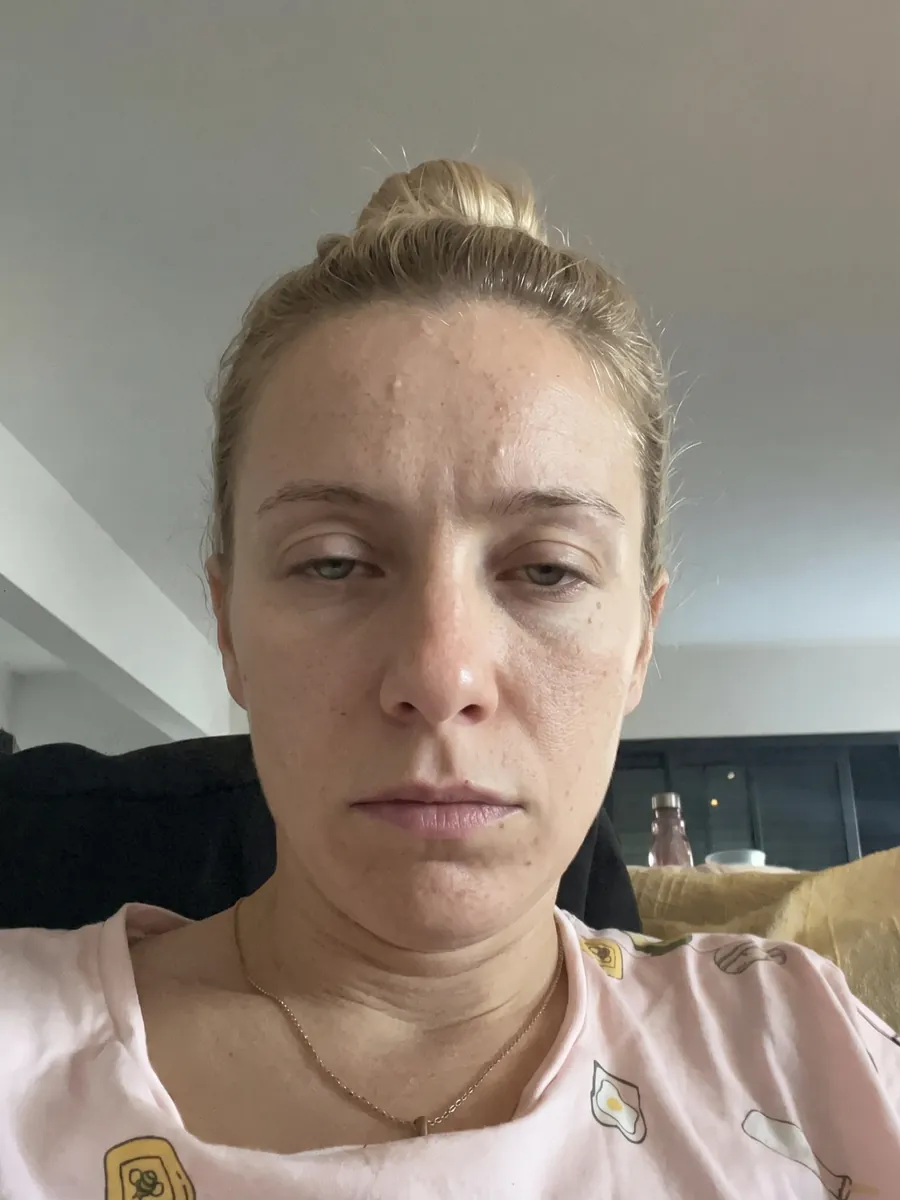
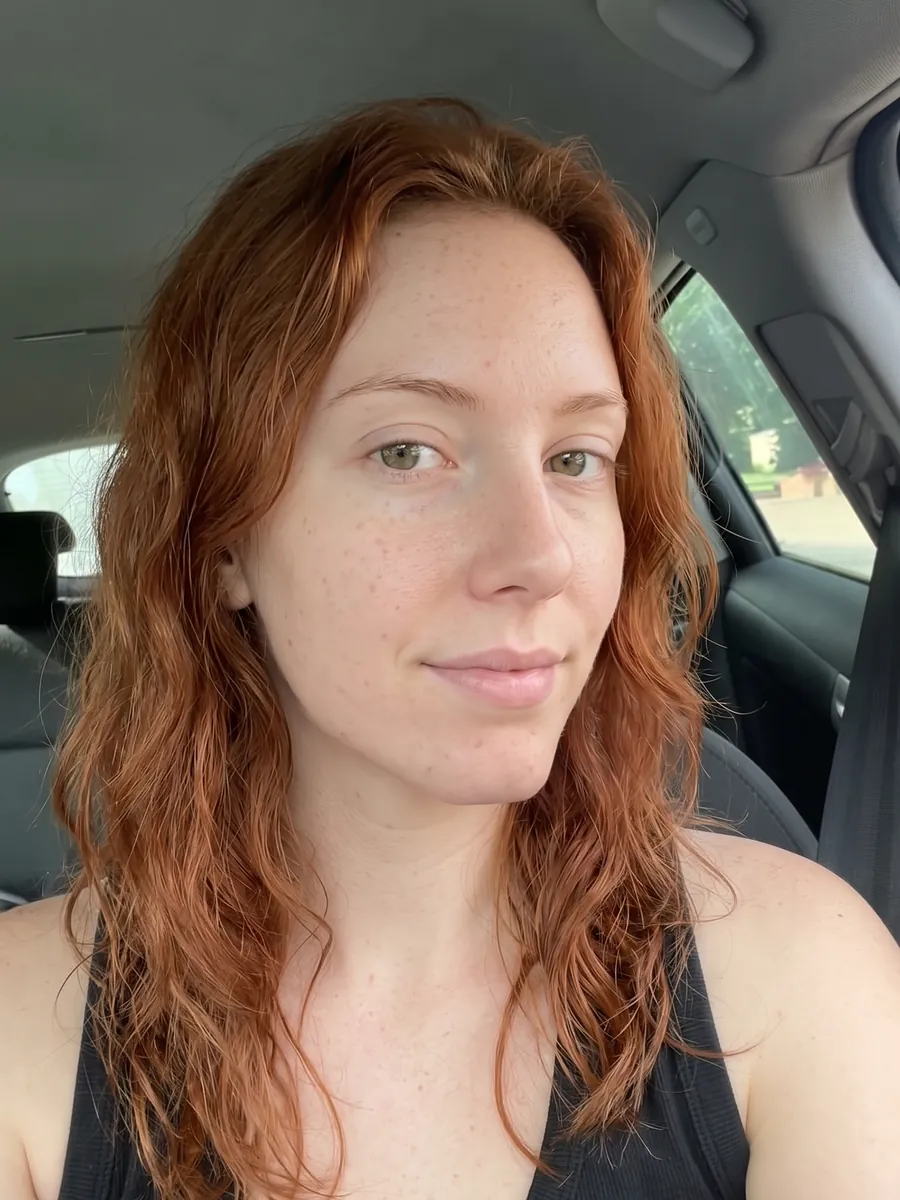
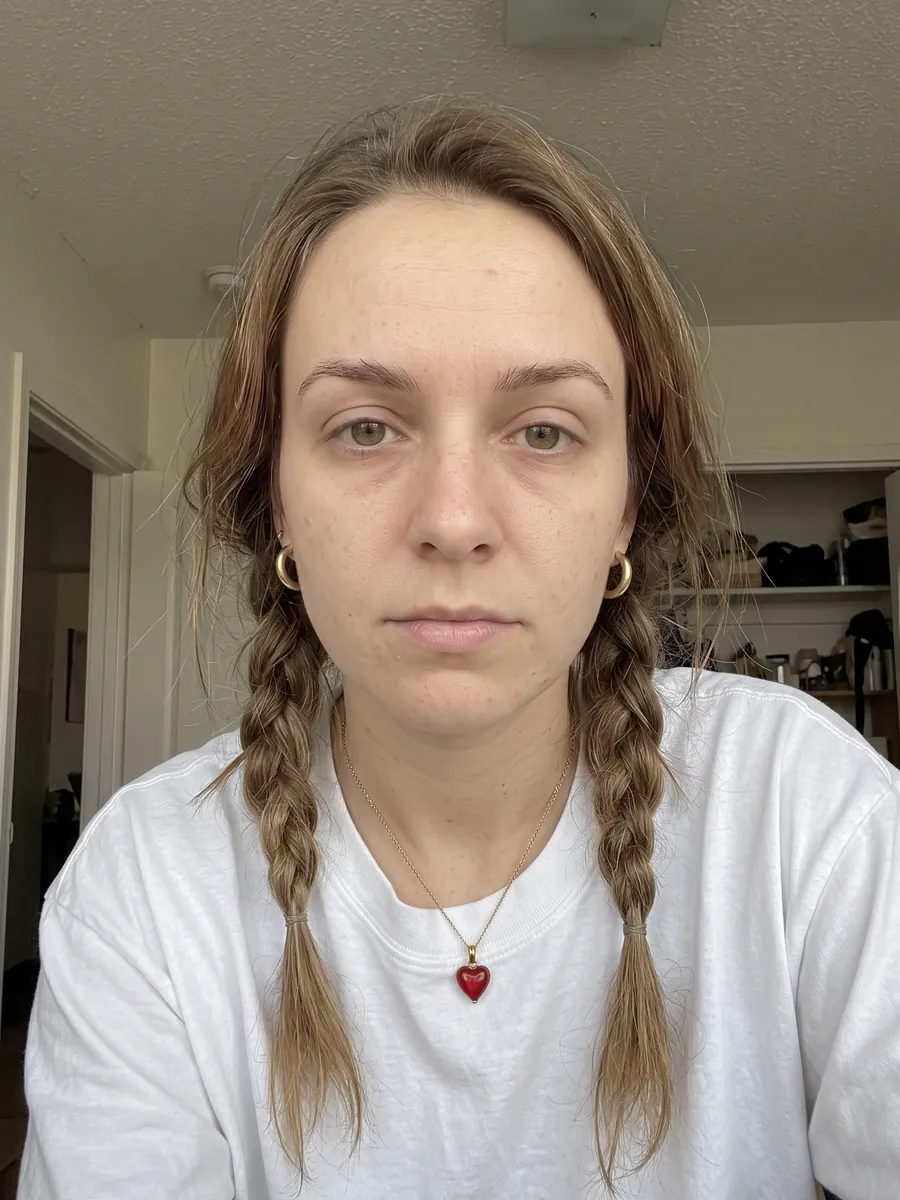
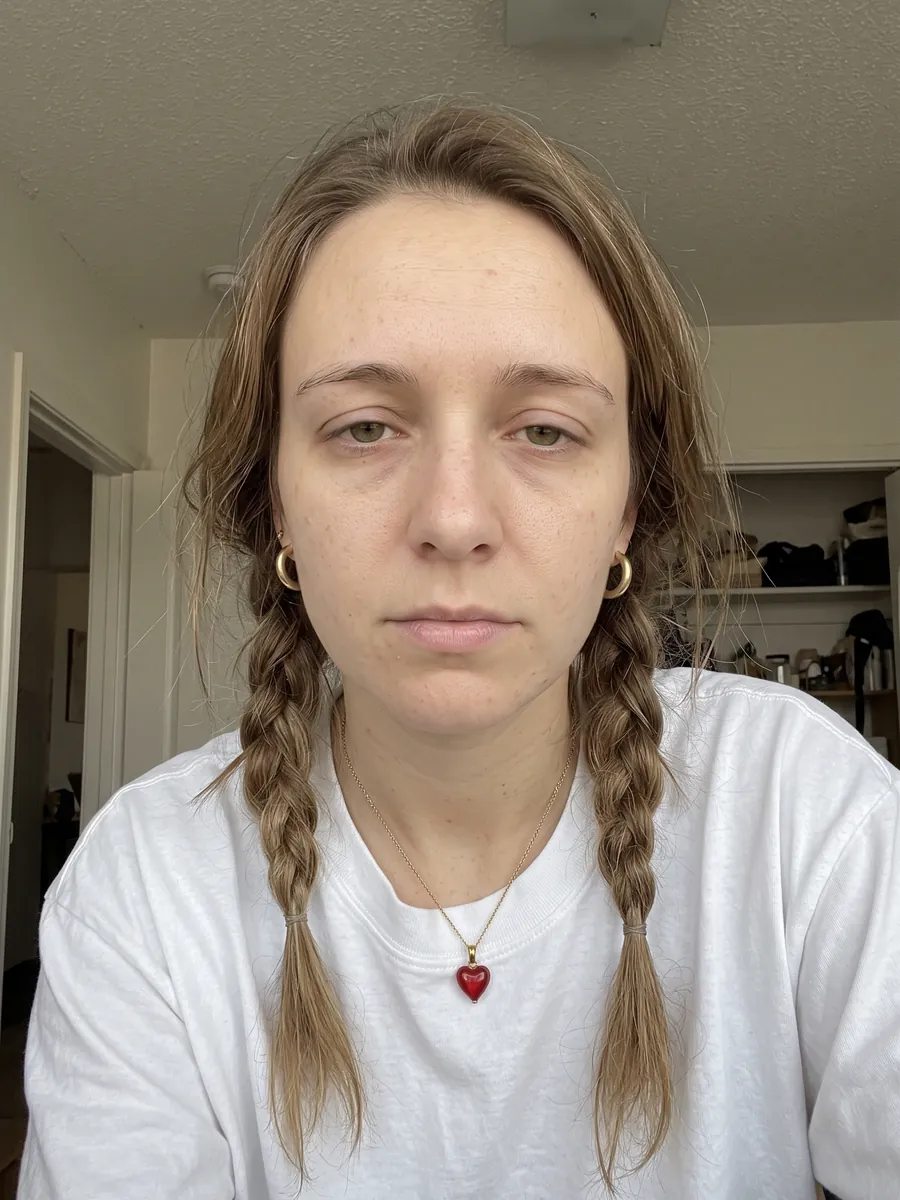
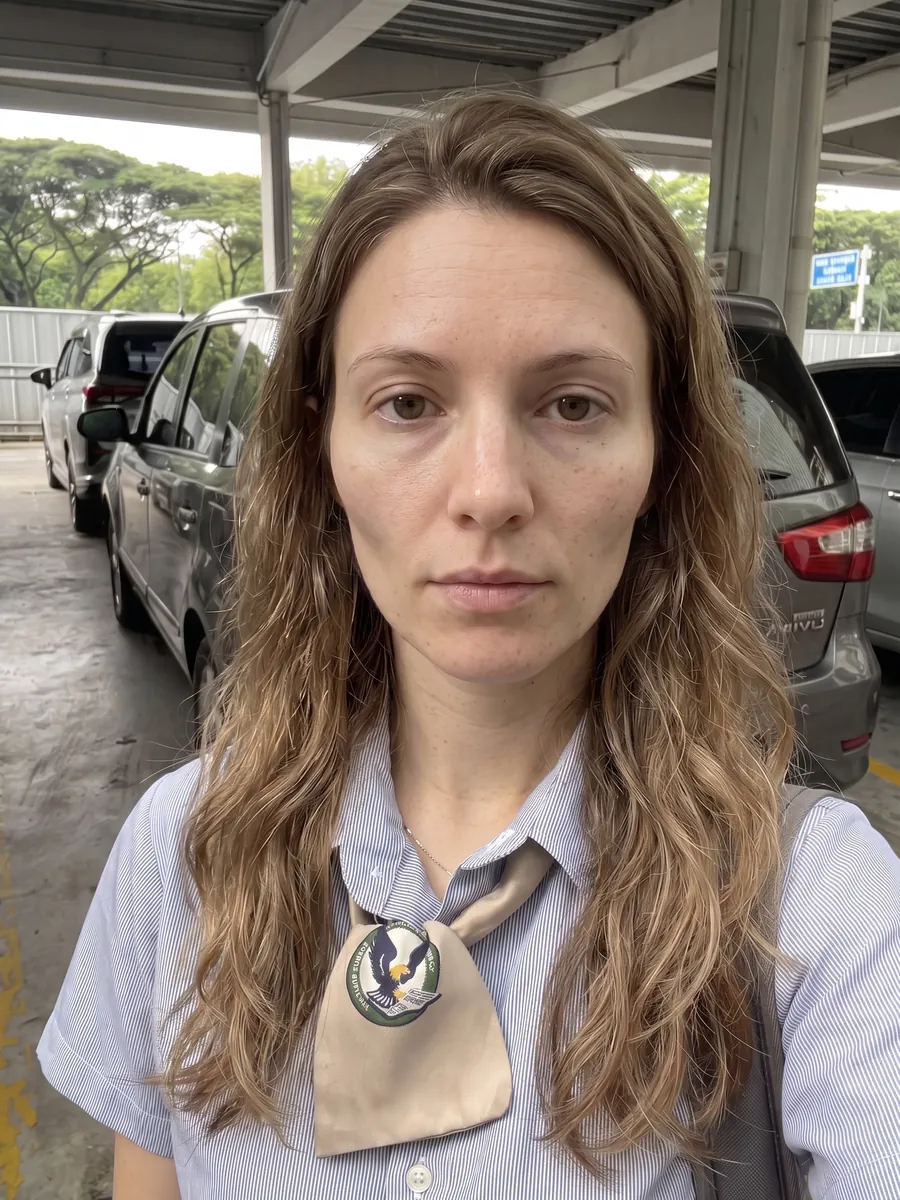
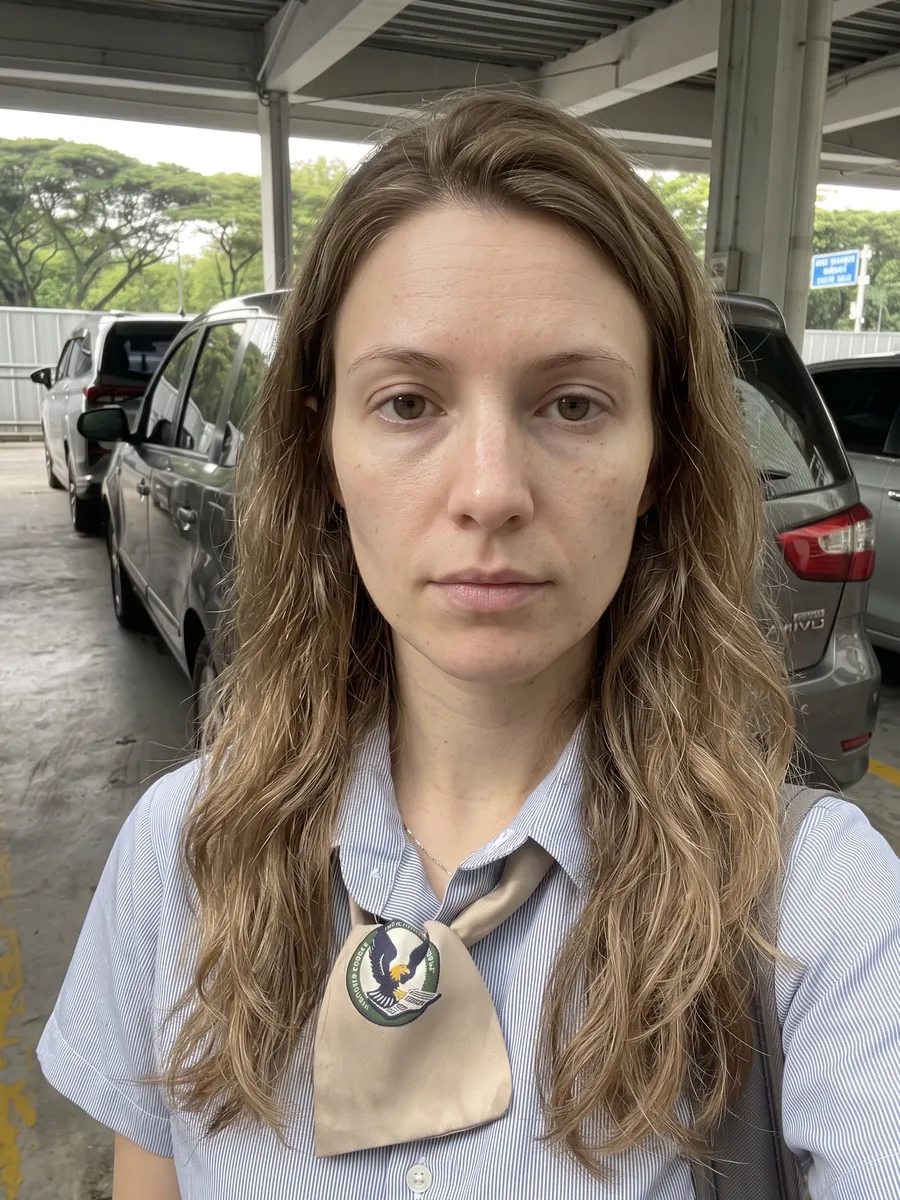
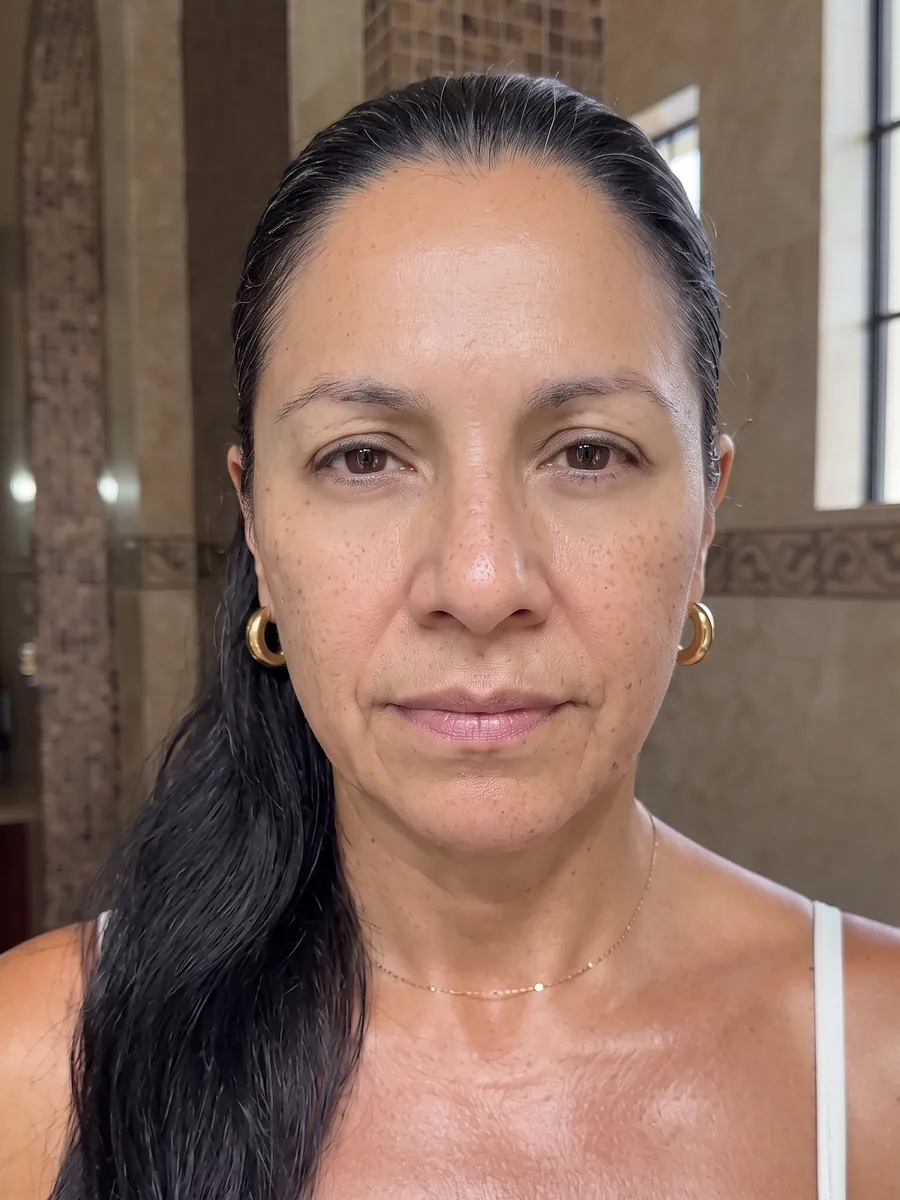
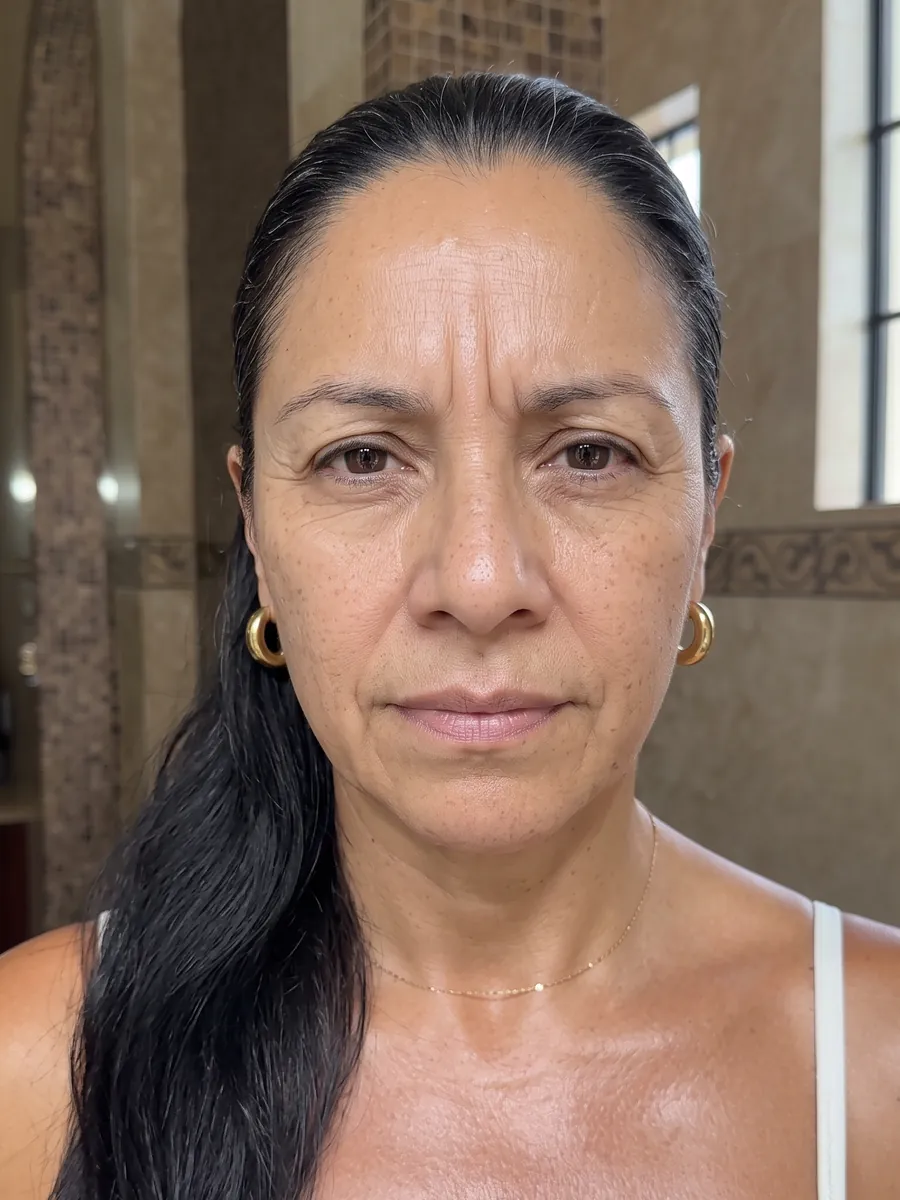
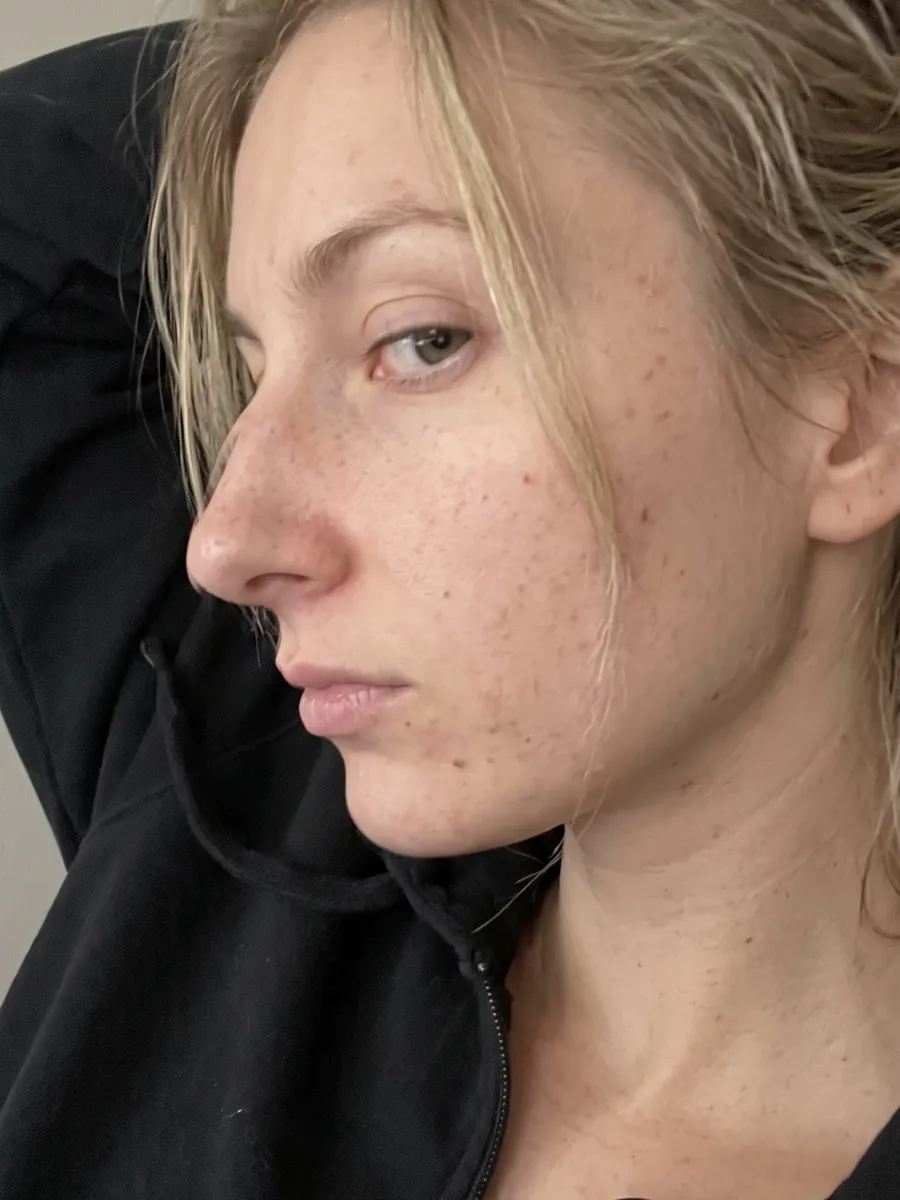
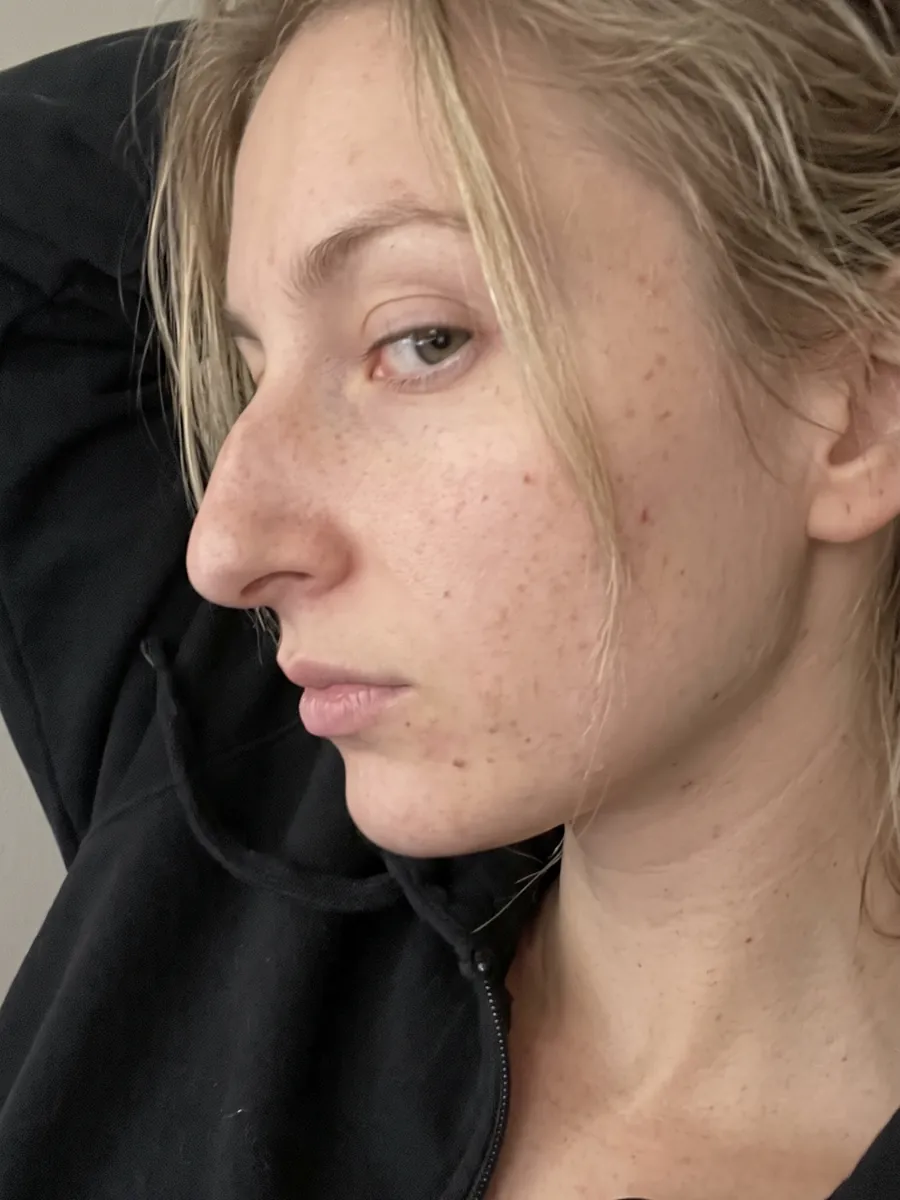
What you'd look like with masseter botox, on your own face
By Jérémie Aouate, founder of Mevona. Updated October 22, 2026.
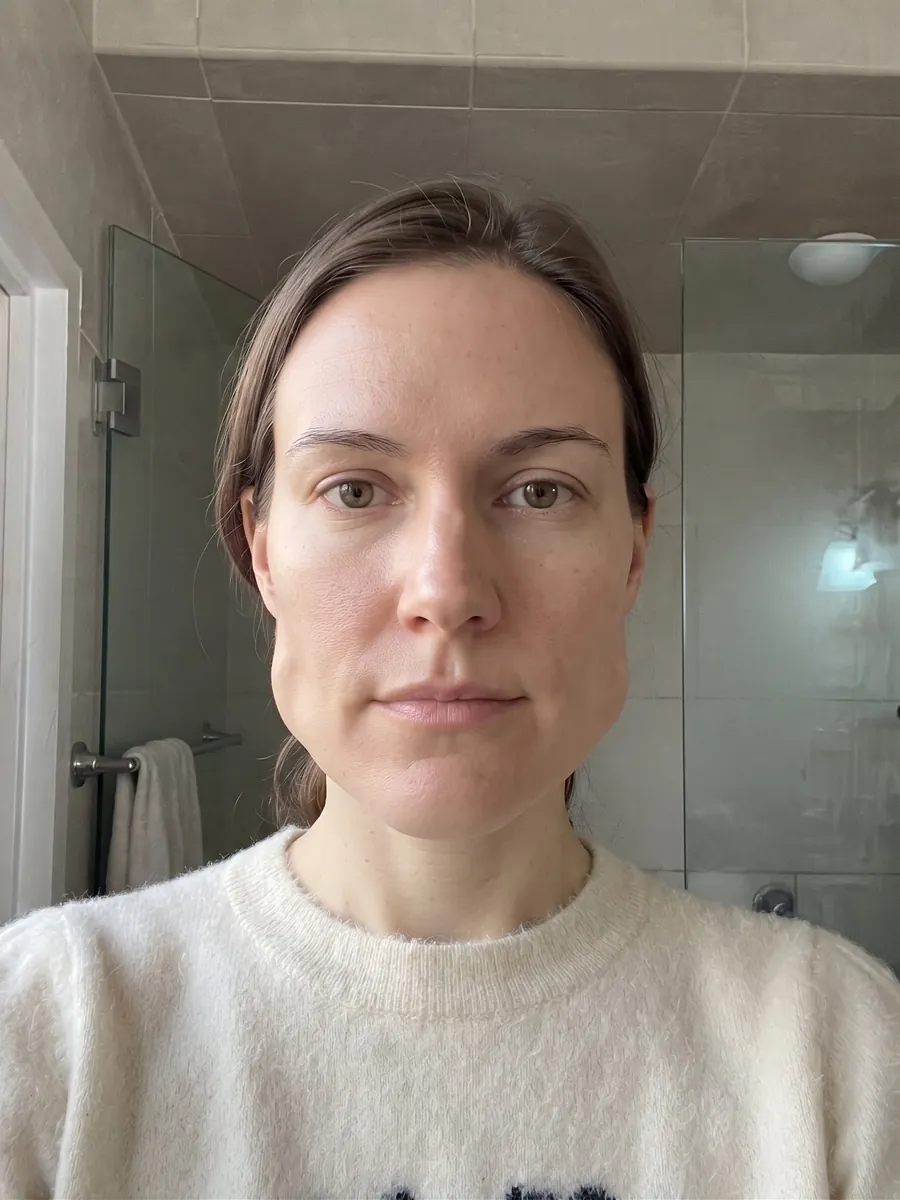
Masseter botox relaxes the chewing muscle at the back of your jaw. The muscle thins, and from the front your lower face reads narrower at the angle. This page shows that change on a whole face, at three doses, and the question that decides whether it can happen on yours: muscle, bone or fat. What you see here is a Cosmetic Preview, an illustration of the kind of change, not a predicted result.
In short
- Masseter botox places botulinum toxin type A into the masseter, the chewing muscle over the angle of the jaw. The ASPS lists thick jaw muscles and a square jawline among the uses of botulinum toxin.
- It reduces the muscle only. Width that comes from the jaw bone or from fat stays where it is.
- The change is gradual and temporary: the muscle starts to shrink after two to four weeks, peaks around three months, and in the maker's phase 2 study half of people at the higher doses had lost part of the change by about nine months.
- Botulinum toxin is the most common nonsurgical aesthetic procedure in the world, with 7.8 million performed in 2024 according to the ISAPS global survey, and it is most popular between 35 and 50.
- Average US cost: $435 for a botulinum toxin procedure according to the ASPS, all areas combined. The ASPS publishes no masseter figure, and the price depends on the amount used.
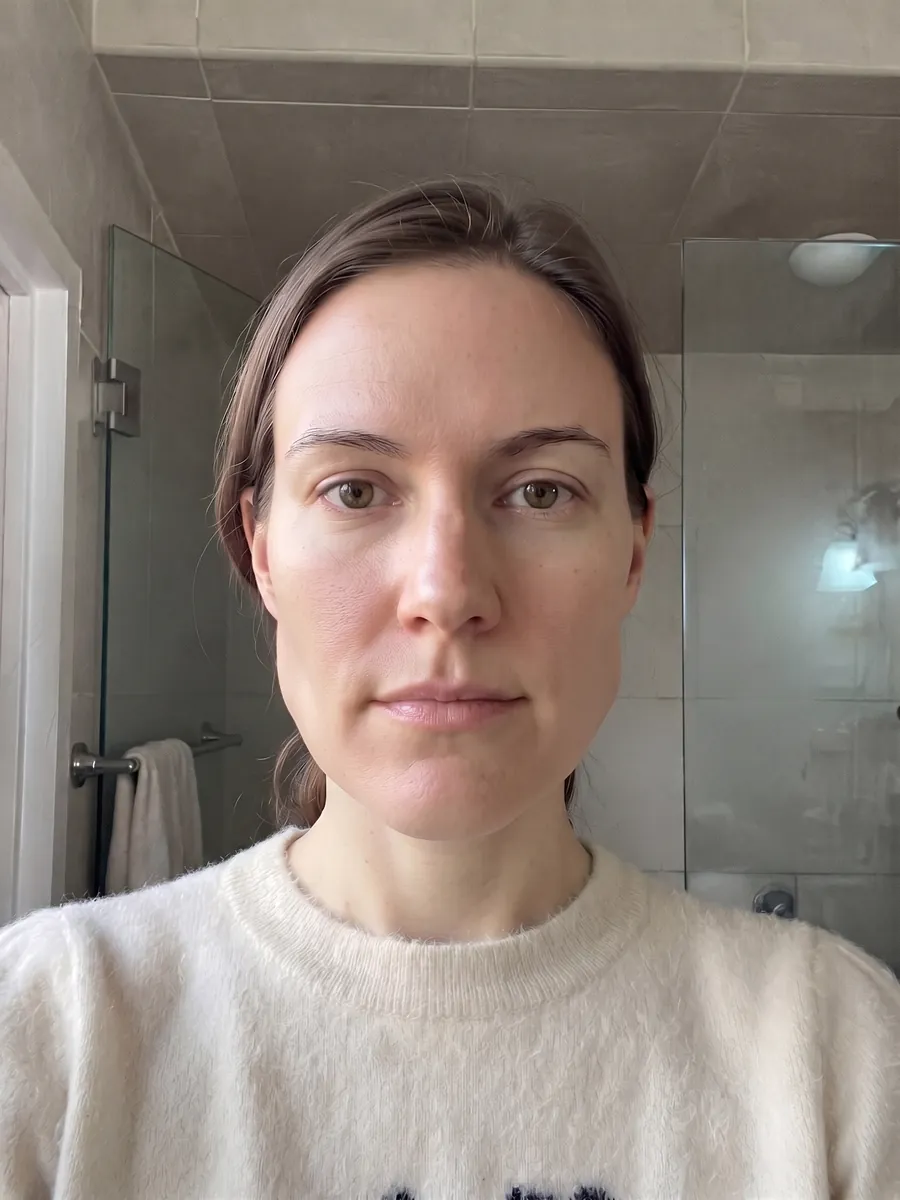
- This page shows the change at three doses from the front, on one face, and what the Facial Dossier reads in the jaw before any of it.
What masseter botox changes
The masseter is the thick muscle you feel at the back of your jaw when you clench your teeth. It is one of the four muscles you chew with, and when it is prominent it can make the lower face look wide, as the maker's study protocol describes it. That is the whole target of this procedure: one muscle on each side, nothing else.
According to the ASPS, botulinum toxin blocks the nerve signals to the muscle it is placed in, so the muscle cannot contract. A muscle that works less gets smaller. A 2005 series that followed 383 people by ultrasound measured the masseter 31 percent thinner on average three months later. From the front, the corners of the lower face come in, and an ASPS member surgeon describes the outline moving from a rectangle toward a heart shape.
Now the honest part. The width of your lower face comes from three layers: the jaw bone and its angle, the masseter on top of it, and the fat and skin over both. Botulinum toxin acts on the muscle layer only. If most of your width is bone, the angle stays where it is. If it is fat low in the cheeks, the toxin does not reach it. So the useful question is not how many units, but how much of your width is muscle. Studies often measure the muscle while people clench hard, as the 2026 meta-analysis cited below did.
In the Cosmetic Preview, only the lower face at the angle of the jaw comes in. Everything else stays: your cheekbones, your chin, your lips, your expression.
In the Facial Dossier, the jaw has its own section, number 8 of 17, which covers the chin and the jaw. On your front photo it reads jaw width with guides drawn on the photo, and the Proportions section gives your face width-to-height ratio. A photo shows how wide your lower face reads. It cannot show whether that width is muscle, bone or fat, and the Dossier does not pretend to. The section ends with one of three verdicts: keep, change, or discuss, and you read it before any preview.
Where you'd stop: subtle, moderate, full
Mevona shows every procedure at three doses on the same photo. For masseter botox they are three distances along one direction: the lower face coming in at the angle of the jaw. The names below are the ones you will see in the app.
Subtle: a slightly slimmer lower face
The corners of the jaw come in a little, and the outline below the ears softens. Most people would see a rested face rather than a different one. As an indicative reading only, this is closest to the lowest dose in the maker's phase 2 study, 24 units in total or about 12 units a side, a dose that also wore off three to seven weeks sooner than the next one.
Moderate: a visibly slimmer jaw
The lower face reads clearly narrower from the front, and the jawline runs more directly from the ear to the chin. The face still reads as the same person, with the change held below the cheekbones. Indicatively, this sits near 24 units a side, the middle dose of the maker's studies, 48 units in total.
Full: the slimmest lower face
The angle of the jaw is at its least prominent, and the face reads closer to a heart shape than a square. This is the largest change the preview shows in one pass, and the one to look at when you want to know whether a narrower lower face suits your cheekbones and your chin. Indicatively, it is closest to 36 units a side, the 72 units in total used in the phase 3 study of 376 people, which measured the lower face 5.24 mm narrower on average at day 90.
These unit figures are indicative, and they come from studies of one product. The literature review in the maker's protocol found doses from 10 to 100 units per masseter, with a mean near 38, and a 2026 meta-analysis of five randomized studies concluded that the evidence is not enough to define a dose-response relationship or an optimal protocol. The people who place it do not work in doses either: they choose the units and the points from the size and strength of your muscle. The three doses are a way of looking, not a menu. What is achievable on your jaw is a conversation to have with a qualified professional, with your photos and the preview in hand if you like.
Why the front view
Masseter botox changes width, and width lives in the front view. The angle of the jaw moves inward, toward the middle of the face, so a photo taken straight on shows the whole change, from the ears down to the chin. The phase 3 study reported part of its result the same way, as a change in lower face width in millimeters.
In profile, the same change is a small shift at the back of the jaw, partly hidden by the ear and the hair, and the line from the chin to the neck does not move. That is why this page and the preview use the front view only.
Look at the jaw first, then at the cheekbones. The shift from a rectangle toward a heart shape that the ASPS member surgeon describes is a change in the balance between the upper and lower face, not in any single feature. Take your photo with your teeth apart and your jaw relaxed, since clenching makes the masseter stand out and changes where you start from.
Techniques and variants
Masseter botox is one idea with a few variables:
- Points per side. The literature review in the maker's protocol found one to six points per masseter. A 2026 meta-analysis found the evidence too thin to define an optimal protocol.
- Units per side. The figure most people search for, and the one with the least agreement. It has its own page: how many units of botox for masseters.
- The product. The ASPS names five common botulinum toxin products. The unit figures on this page come from studies of one of them.
- Repeat sessions. Cleveland Clinic notes that botox is always temporary and is repeated to keep its effect. At the masseter, the studies above put the fade between six and nine months.
- Masseter botox for grinding. The ASPS member surgeon notes that the same procedure can ease jaw pain and night grinding. The narrowing comes from the same weaker muscle.
- When the width is bone. Surgery on the angle of the jaw is a different procedure: jaw bone reduction.
- When the edge is soft rather than wide. Filler placed along the bone adds definition instead of reducing width: jawline contouring.
Who usually considers it
People arrive at this page from a few starting points: a lower face that reads square or wide in photos, a jaw that bulges at the back when they clench, a sore jaw in the morning or grinding at night, or one side of the jaw wider than the other. The ISAPS survey reports that botulinum toxin is most popular between the ages of 35 and 50, at 47 percent of the total, and the phase 3 study enrolled adults whose masseters were rated grade 4 or 5 on a prominence scale.
None of that says whether masseter botox is right for a given face. A preview cannot tell muscle from bone, and neither can a page. What a preview can do is show you the direction and the distance, so that when you discuss it with a qualified professional, you already know which dose you were picturing and what you hope changes in the front view. That person can feel the muscle while you clench, which is the first step toward an answer. The concern page goes deeper on the starting point most people have: square jaw, muscle or bone.
Masseter botox vs buccal fat removal
| Masseter botox | Buccal fat removal | |
|---|---|---|
| What it is | Botulinum toxin placed into the chewing muscle at the back of the jaw | Surgery that removes the buccal fat pad, in the cheek hollow area, according to the ASPS |
| What it can do | Make the masseter smaller, so the lower face reads narrower at the angle | Thin the cheeks in the area of the cheek hollows, according to the ASPS |
| What it cannot do | Change bone or fat | Narrow the angle of the jaw or the muscle over it |
| How long it lasts | Months: peaks around three months, fades over roughly six to nine | One-time surgery; the ASPS notes the face may look more gaunt with age |
| Recovery | Back to most activities right away, according to Cleveland Clinic | A liquid diet for several days or longer, swelling for several weeks, according to the ASPS |
| Reversibility | Wears off on its own | Not reversible |
| Risks named by the ASPS | Bruising and pain where placed, headache, flu-like symptoms, temporary facial weakness or drooping | Facial nerve branch injury with temporary or permanent weakness, salivary duct injury, asymmetry, prolonged swelling, revision |
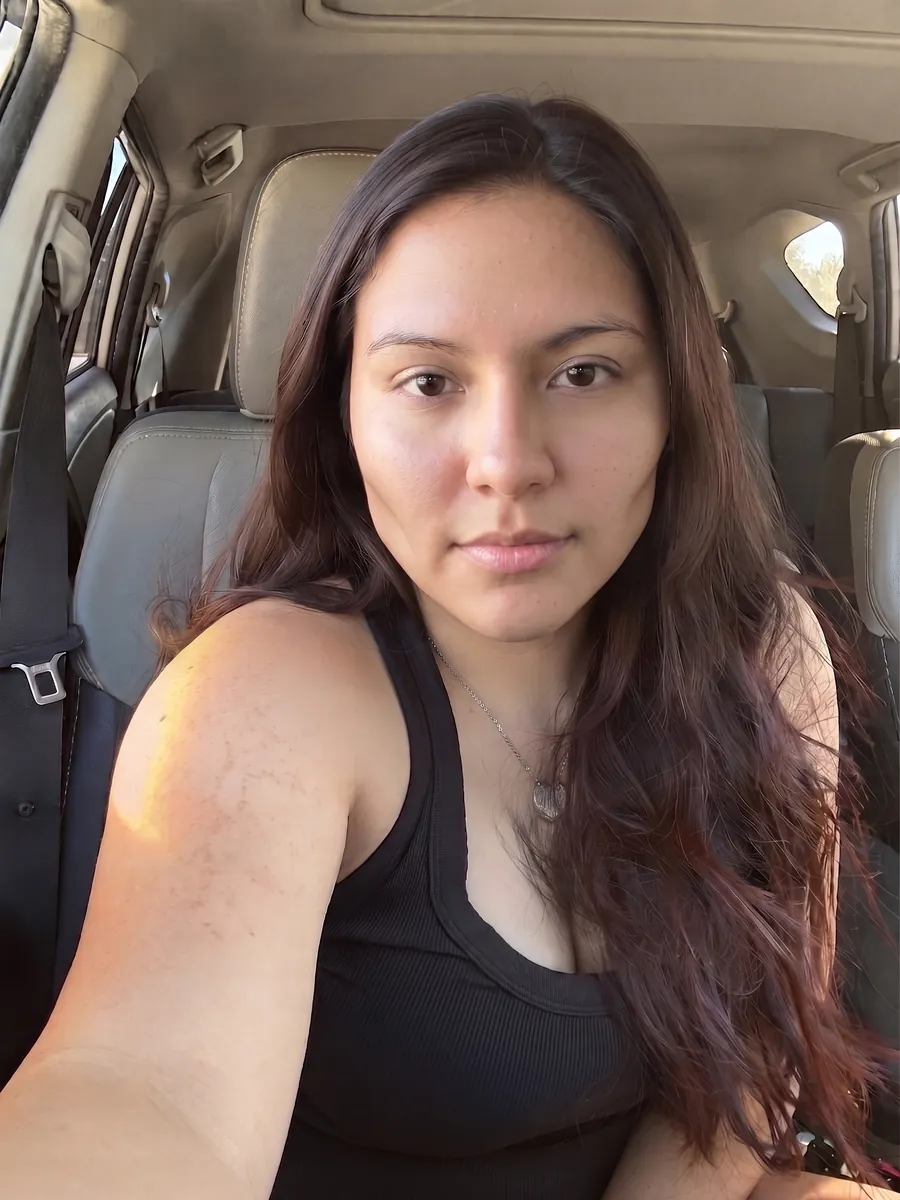
The two are often confused because both can make the lower half of the face read narrower. They work on different layers: the muscle at the back of the jaw, or the fat higher up in the cheek. The full comparison is on masseter botox vs buccal fat removal.
Cost, recovery, risks
Cost
| Typical range | $435 to $435 |
|---|---|
| Source | ASPS average cost of a botulinum toxin procedure, all areas combined, no range published; the ASPS gives no figure for the masseter |
Indicative. A quote depends on the technique, the city and the practice.
The ASPS puts the average cost of a botulinum toxin procedure at $435, across all areas, and publishes no figure for the masseter. The price depends on the amount of product used, the experience of the person placing it and the city, according to the same page. Because the change lasts months rather than years, the yearly cost is the price of one session times the number of sessions you keep up.
Recovery
- Day 0A short office visit. The toxin goes into each masseter at one to six points, according to the literature review in the maker's study protocol. Cleveland Clinic says most people go back to work and most activities right away.
- Day 3 to 14The muscle relaxes first. Cleveland Clinic puts the first effect of botox at three to four days and the full effect on movement at 10 to 14 days. The face does not look narrower yet.
- Week 2 to 4The lower face starts to come in. In a series of 1,021 cases, the muscle began to shrink after two to four weeks for most people.
- Month 3The change peaks. The same series measured the muscle 31 percent thinner on average by ultrasound, and a phase 3 study of 376 people measured the lower face 5.24 mm narrower at day 90.
- Month 6The phase 3 study still measured the improvement at day 180, the last time point it reports.
- Month 6 to 9In the maker's phase 2 study, at the two higher doses, the median time before people lost one grade of improvement was about nine months. Cleveland Clinic notes that botox is always temporary and is repeated to keep its effect.
Two sources frame this timeline. A 2005 series of 1,021 cases, with 383 followed by ultrasound for at least three months, saw the muscle start to shrink after two to four weeks for most people and measured it 31 percent thinner on average at three months. A phase 3 study of 376 people measured the lower face 5.24 mm narrower at day 90, against 0.04 mm with placebo, and still found the improvement at day 180. Cleveland Clinic adds the day-to-day part: back to work right away, no rubbing or pressure on the area for 12 hours, and staying upright for three to four hours.
Risks
The ASPS lists the known risks of botulinum toxin: bruising and pain where it is placed, flu-like symptoms, headache, nausea, redness, and temporary facial weakness or drooping. It calls spread of the toxin beyond the area very unlikely, with signs such as trouble breathing or swallowing. Cleveland Clinic advises against botox during pregnancy or breastfeeding, and for people with a neuromuscular disease or weak facial muscles.
At the masseter, the maker's phase 2 study of 150 people gives the figures: weaker chewing in 5.3 percent, pain where it was placed in 3.3 percent, and a weak or altered smile in 2.7 percent, with the smile change reported at the highest dose. A 2026 meta-analysis of five randomized studies with 536 participants found a short-term benefit over placebo and called for longer, standardized studies. Your own risk depends on your health and on how the dose is placed, and belongs in a consultation with a qualified professional. Cosmetic Previews are illustrative and do not predict the result of any procedure.
Often combined with
Two combinations come up often enough that Mevona previews them on the same photo:
- Jawline contouring. Filler placed deep along the bone defines the angle and the line of the jaw, which the ASPS member surgeon describes as a separate option from botox in the muscle. Together, the width comes in while the edge stays defined. See jawline contouring.
- Buccal fat removal. It works on fat higher in the cheek, so the two are discussed together when the whole lower half of the face reads full. See buccal fat removal.
The combination previews use the moderate dose of each procedure, from the front.
Send three photos from your phone, front and both sides, in your own light. Pick masseter botox and a dose, and see your lower face come in on your own photo while the rest stays yours. Go from subtle to full, then try it with jawline contouring or buccal fat removal on the same photo. Your Facial Dossier follows within 24 hours, with the jaw section read, so you know how wide your lower face reads before you ask anyone about units. One membership, $99 a year, all 29 procedures, cancel anytime. Take your time, then decide.