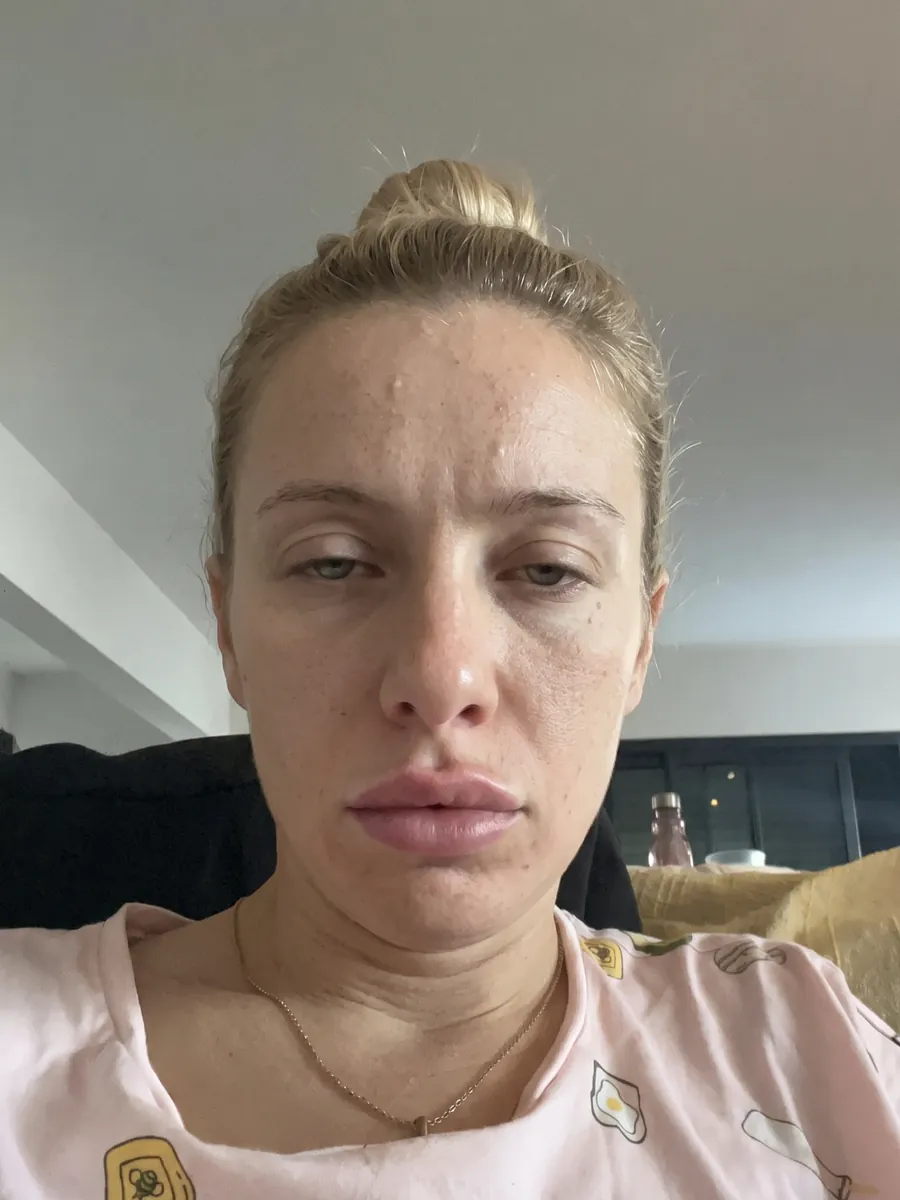
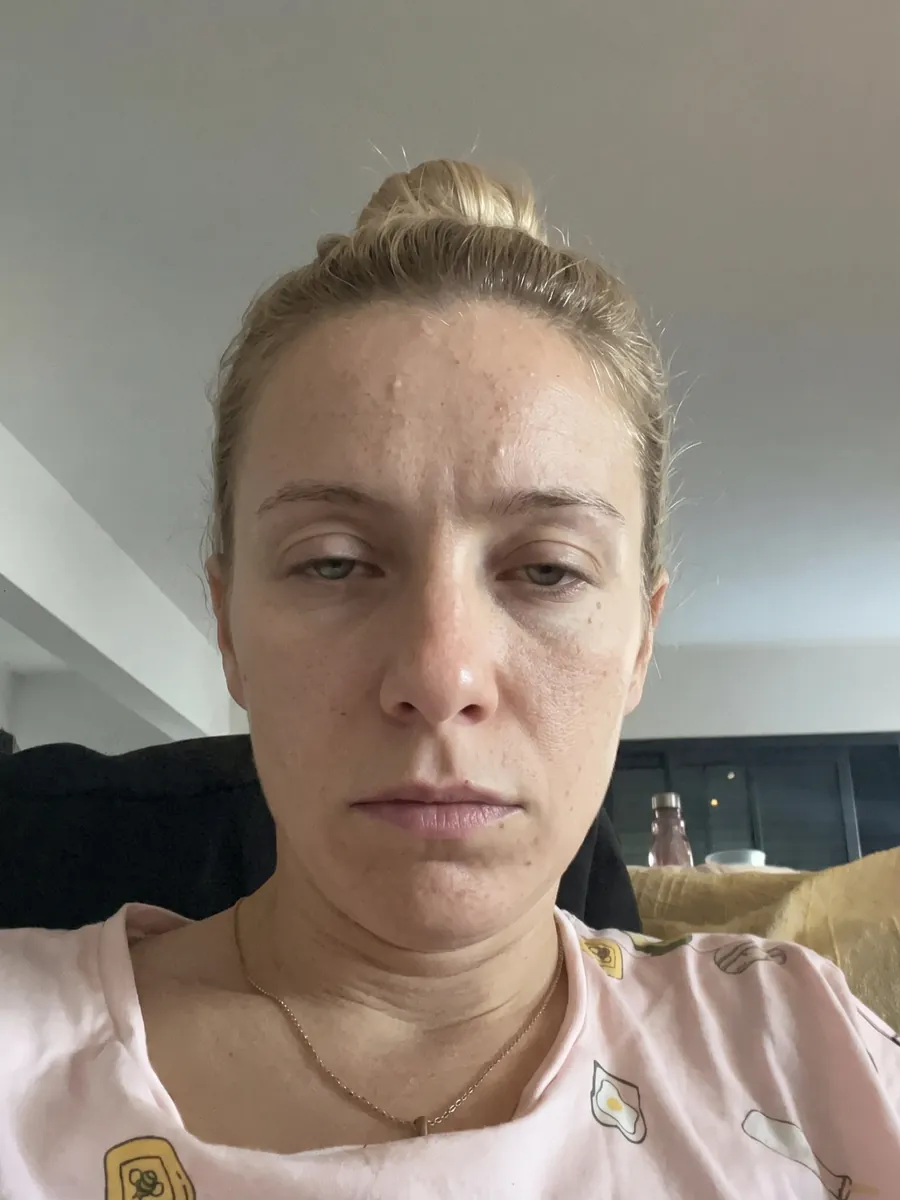
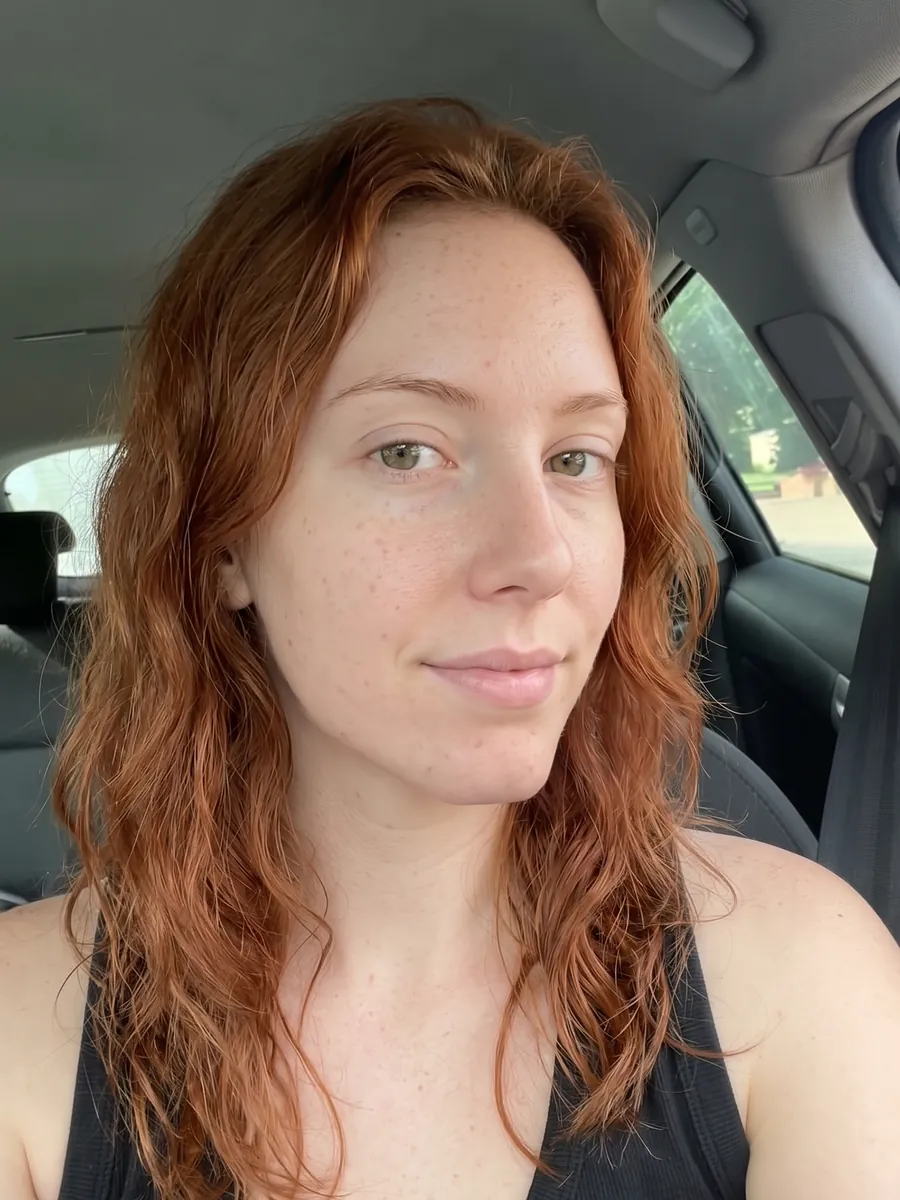
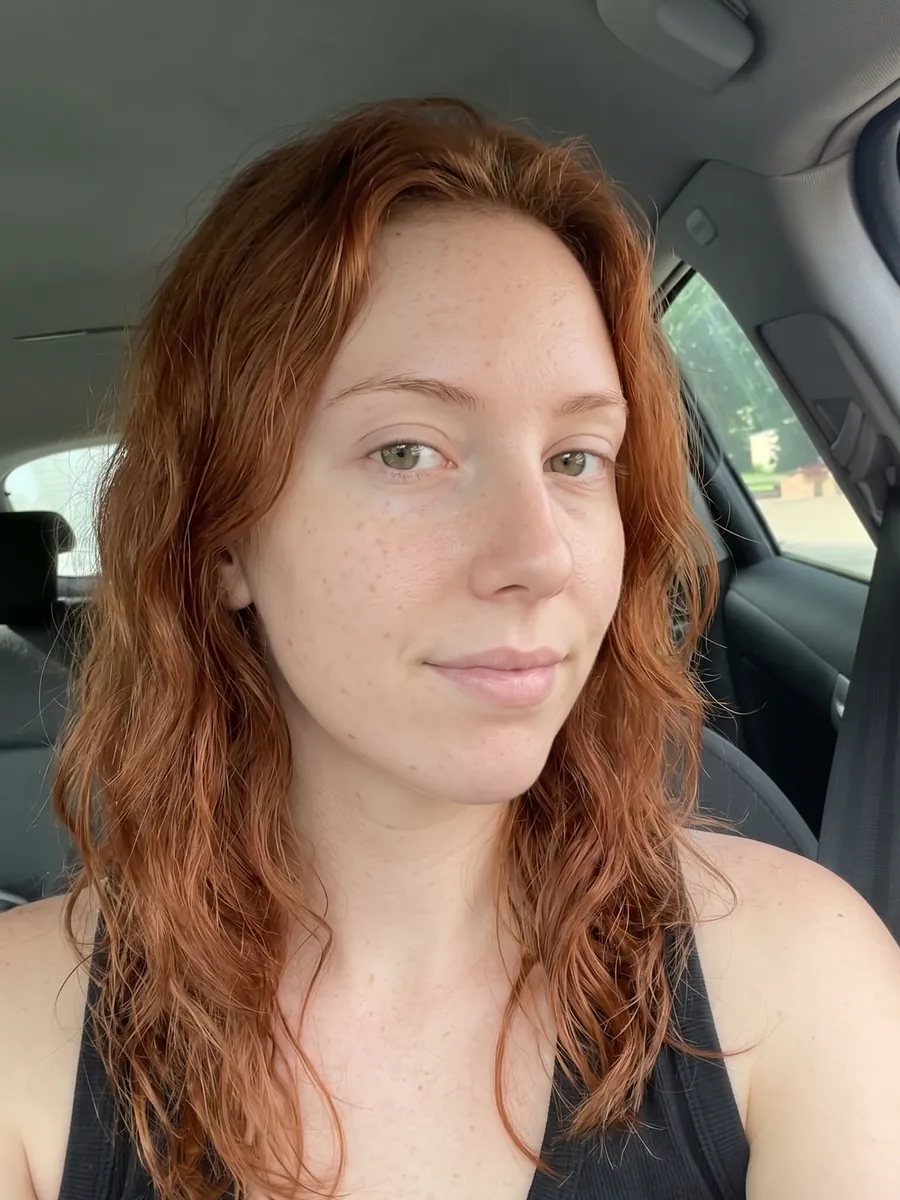
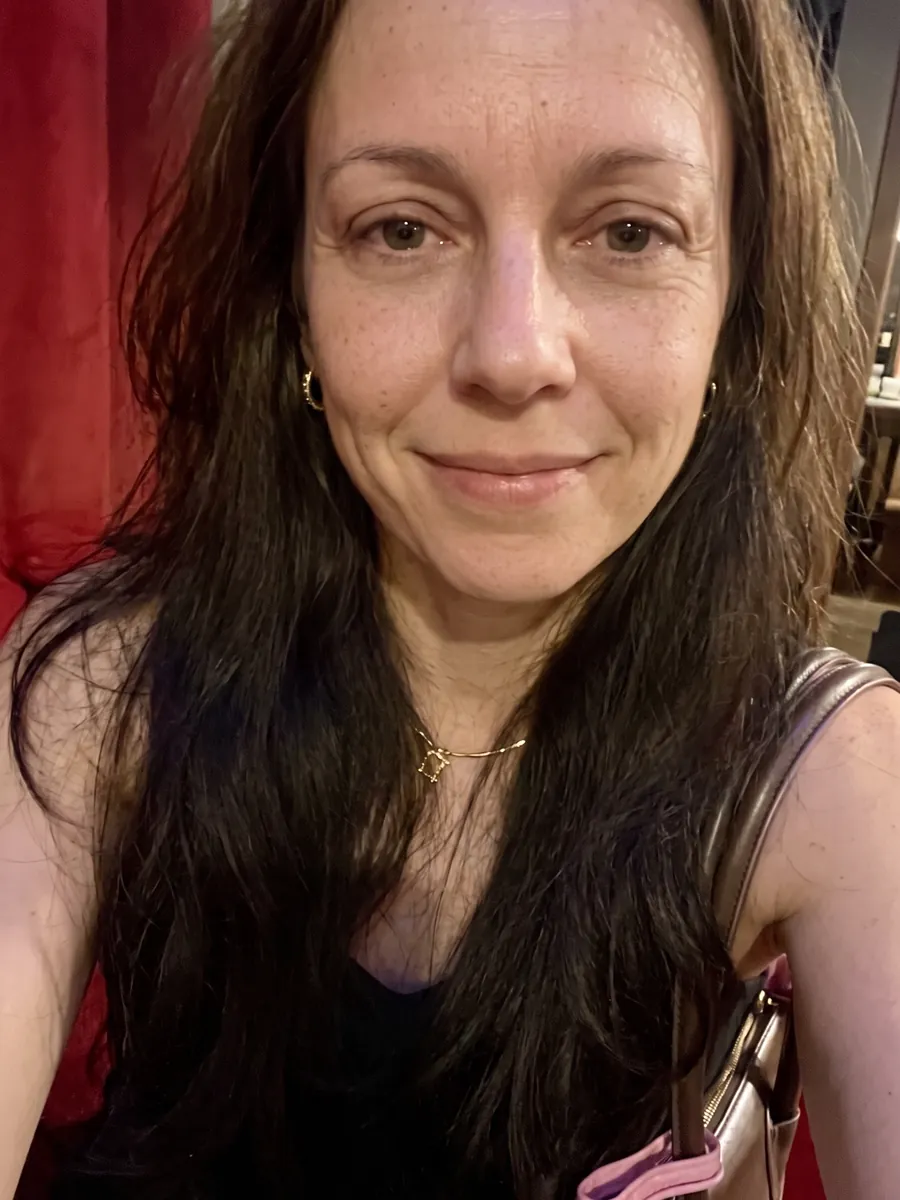
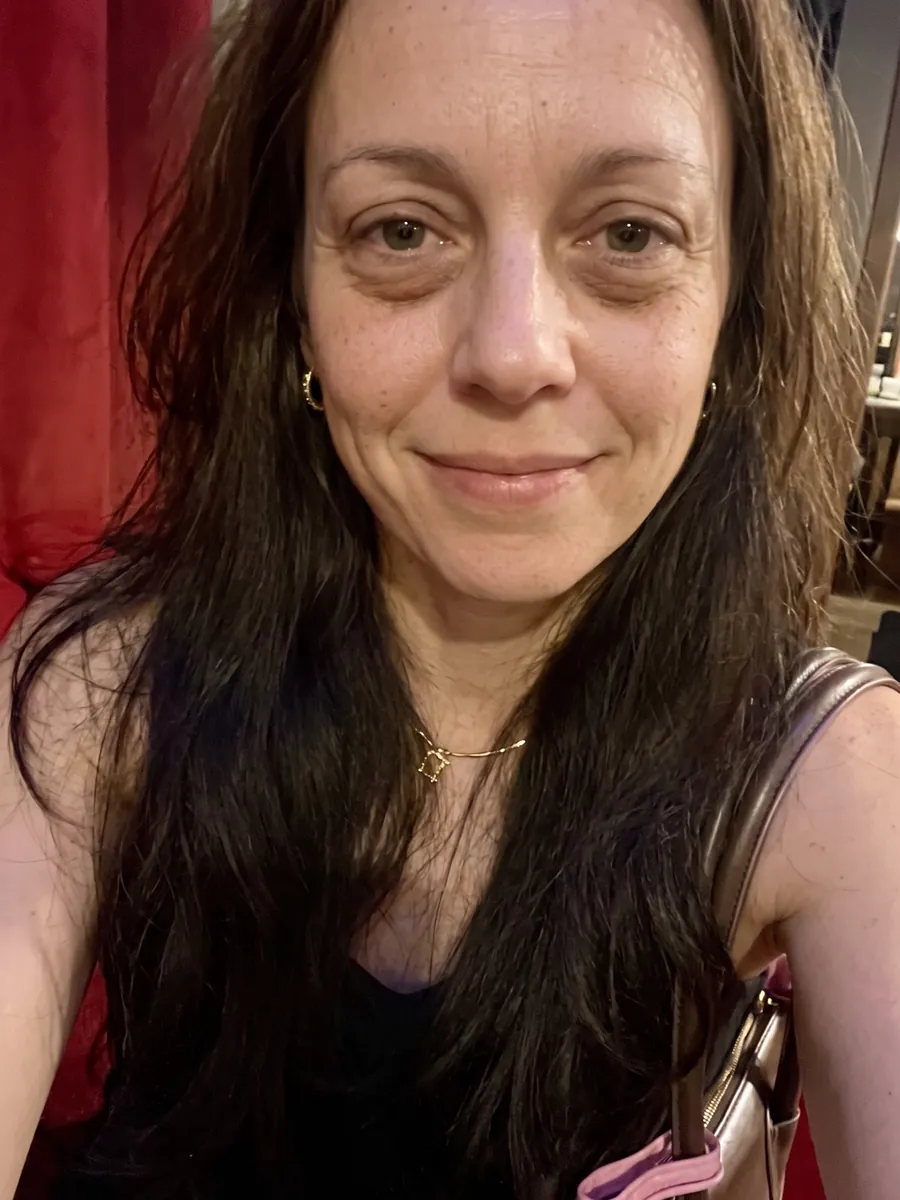
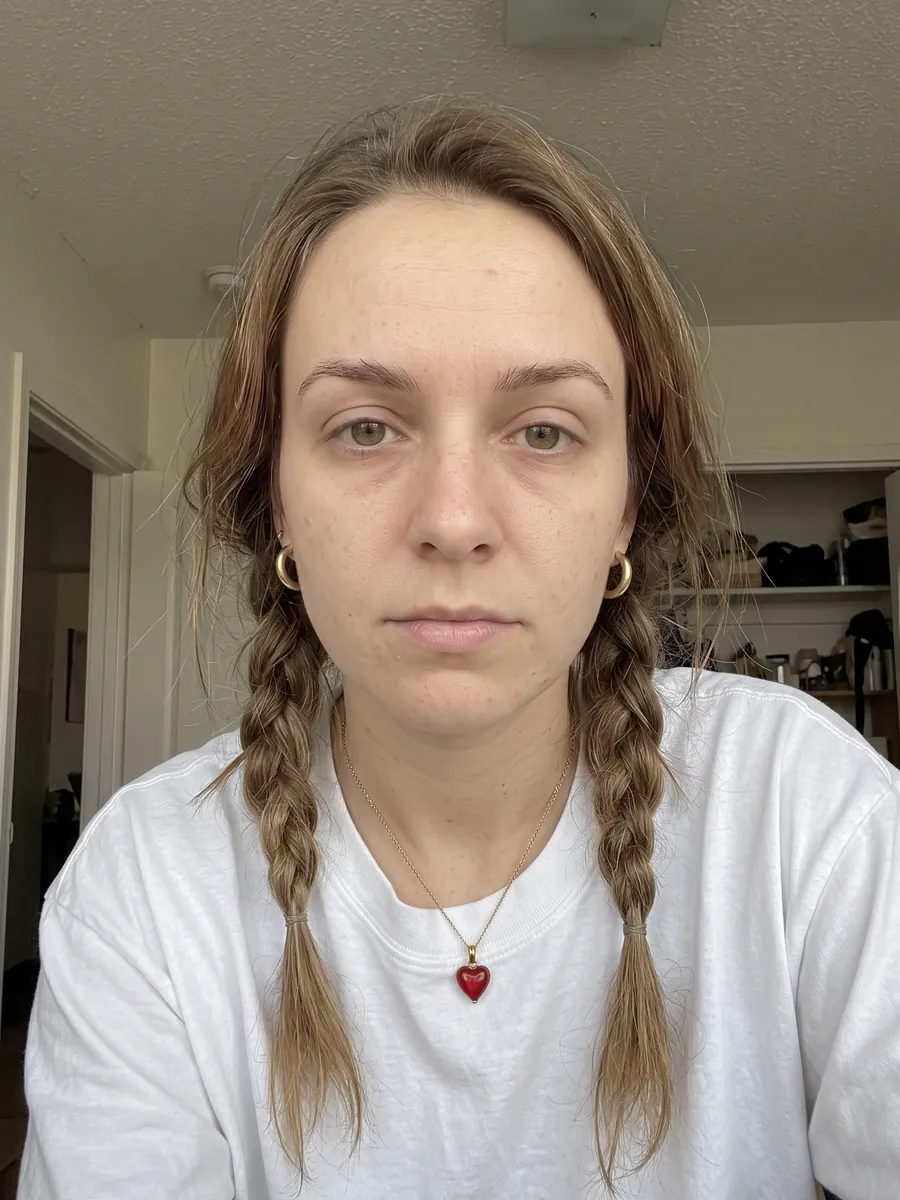
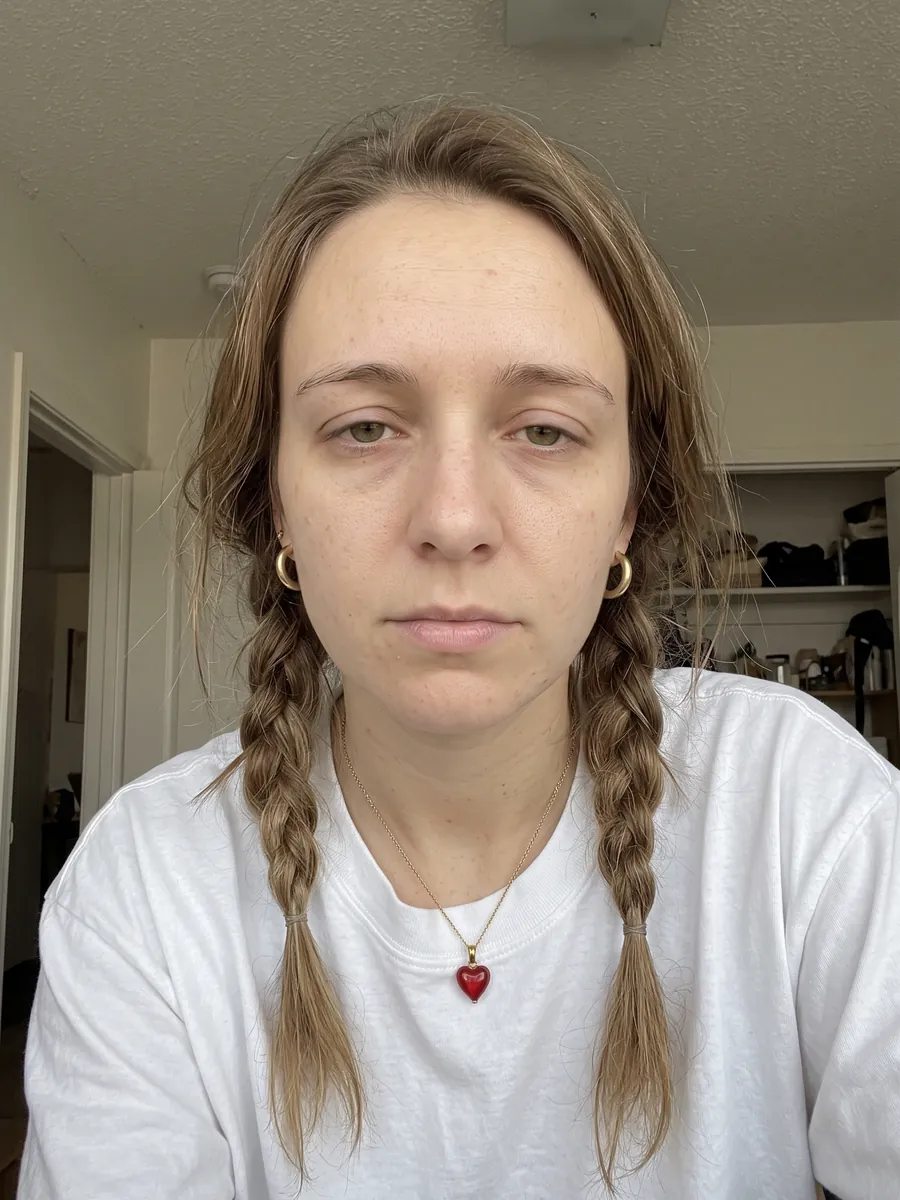
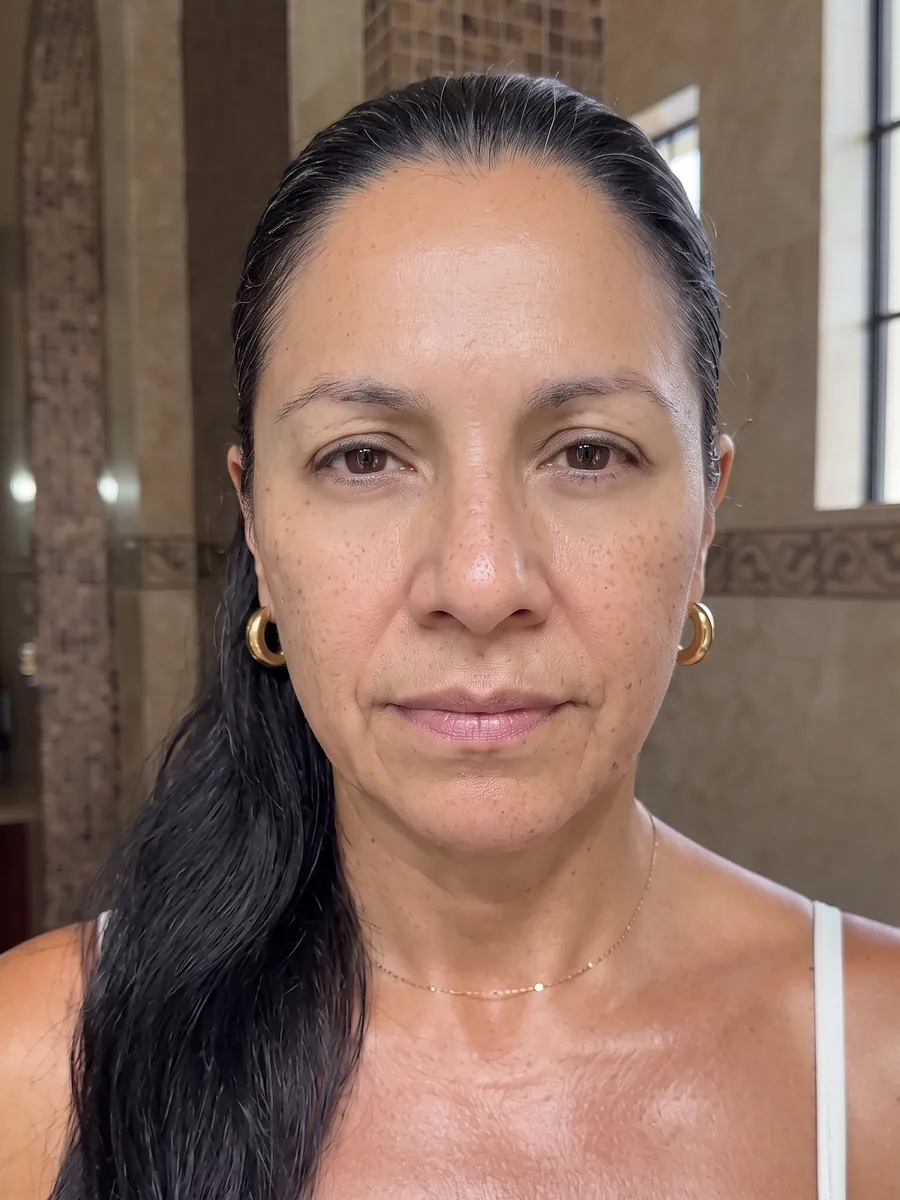
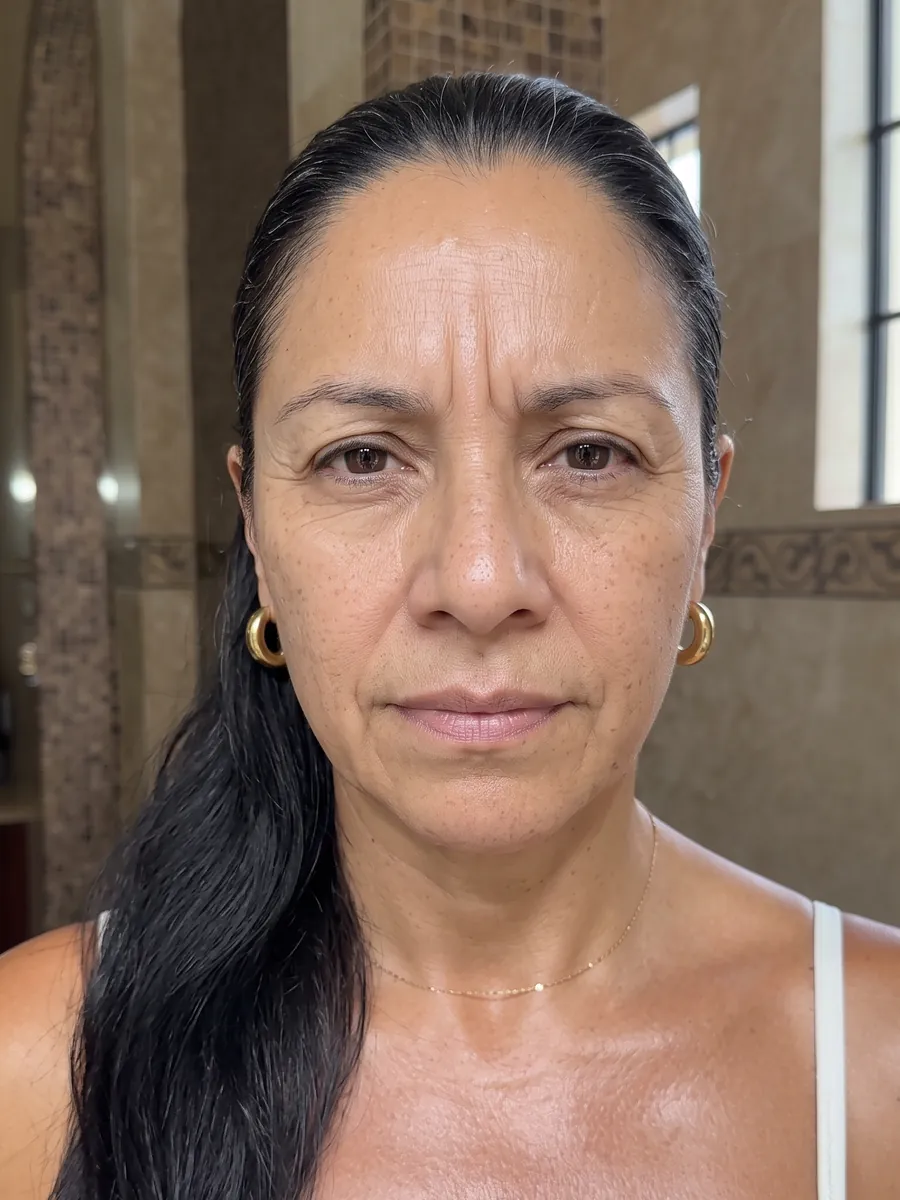
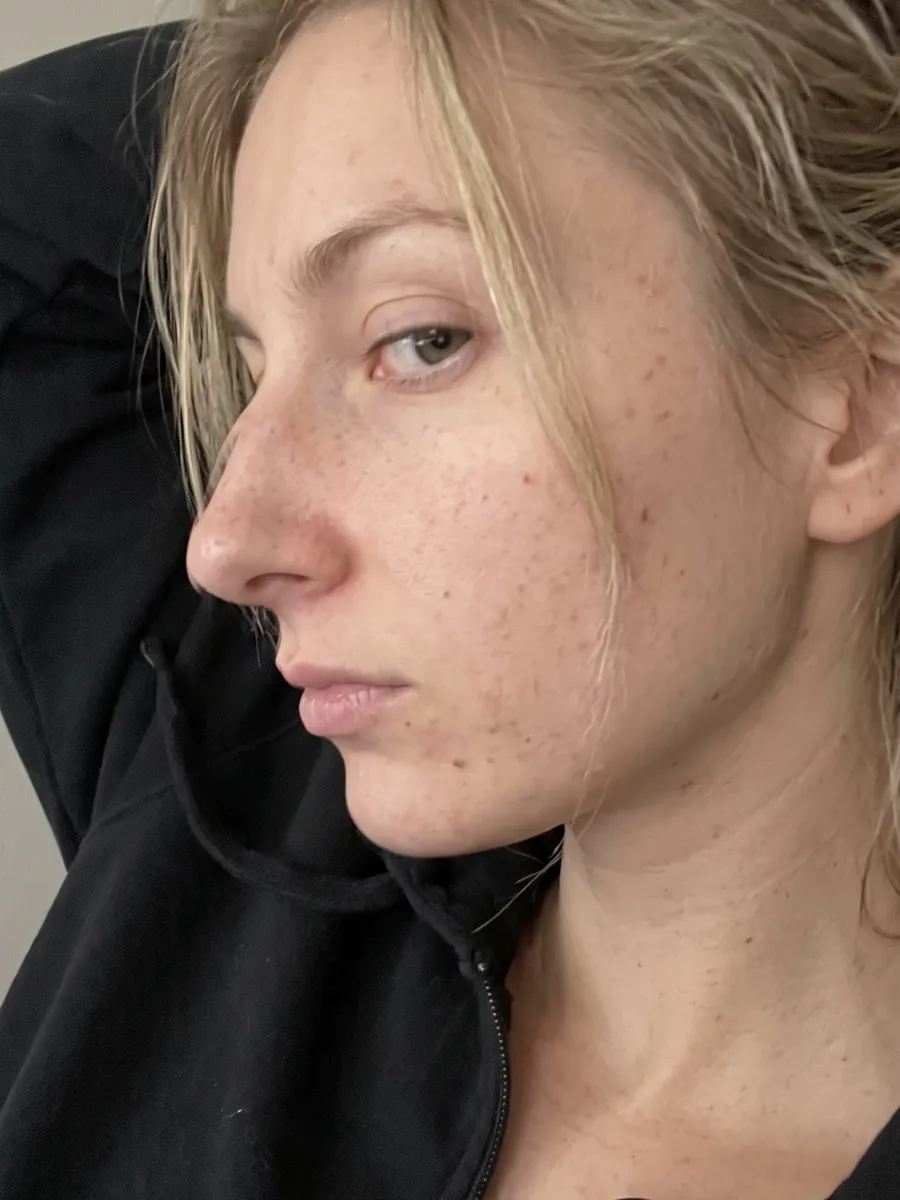
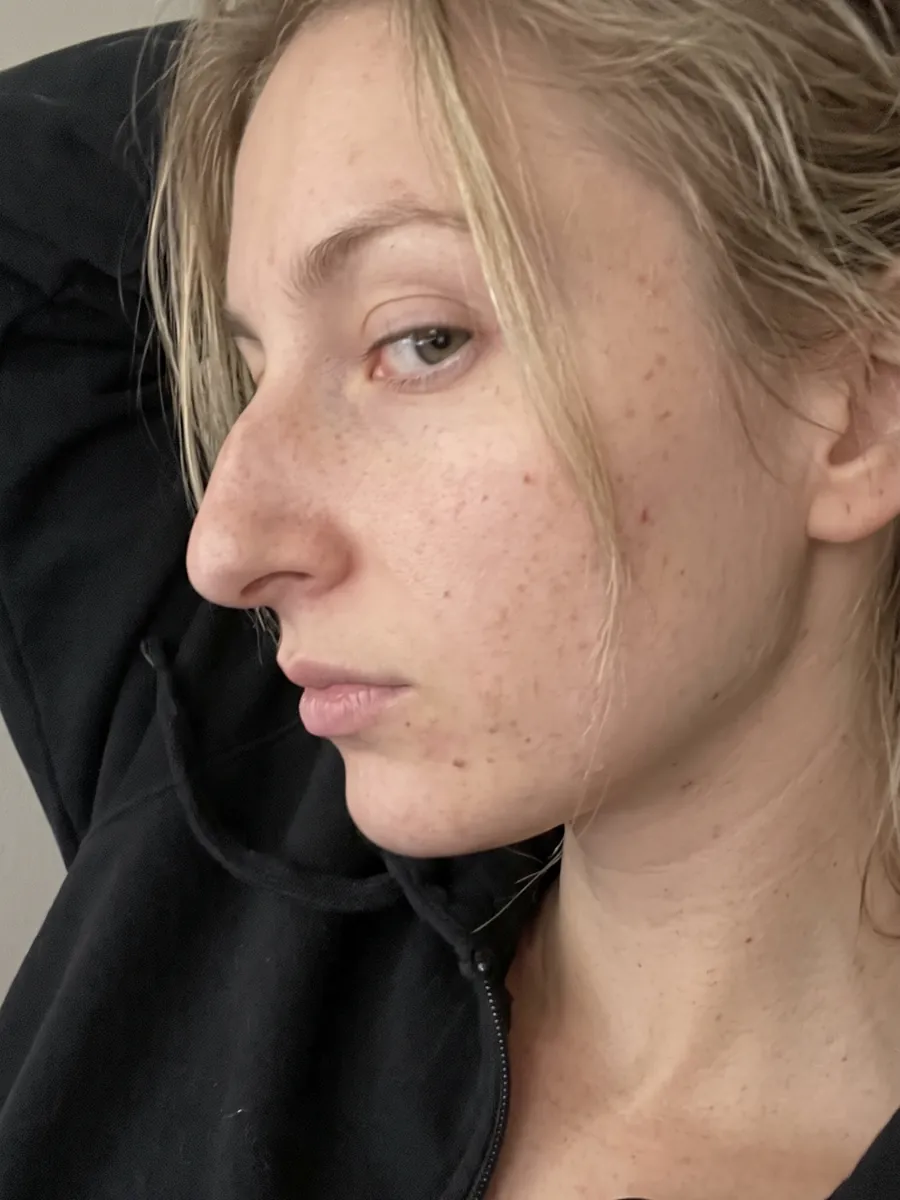
Buccal fat removal before and after, on your own face
By Jérémie Aouate, founder of Mevona. Updated October 22, 2026.
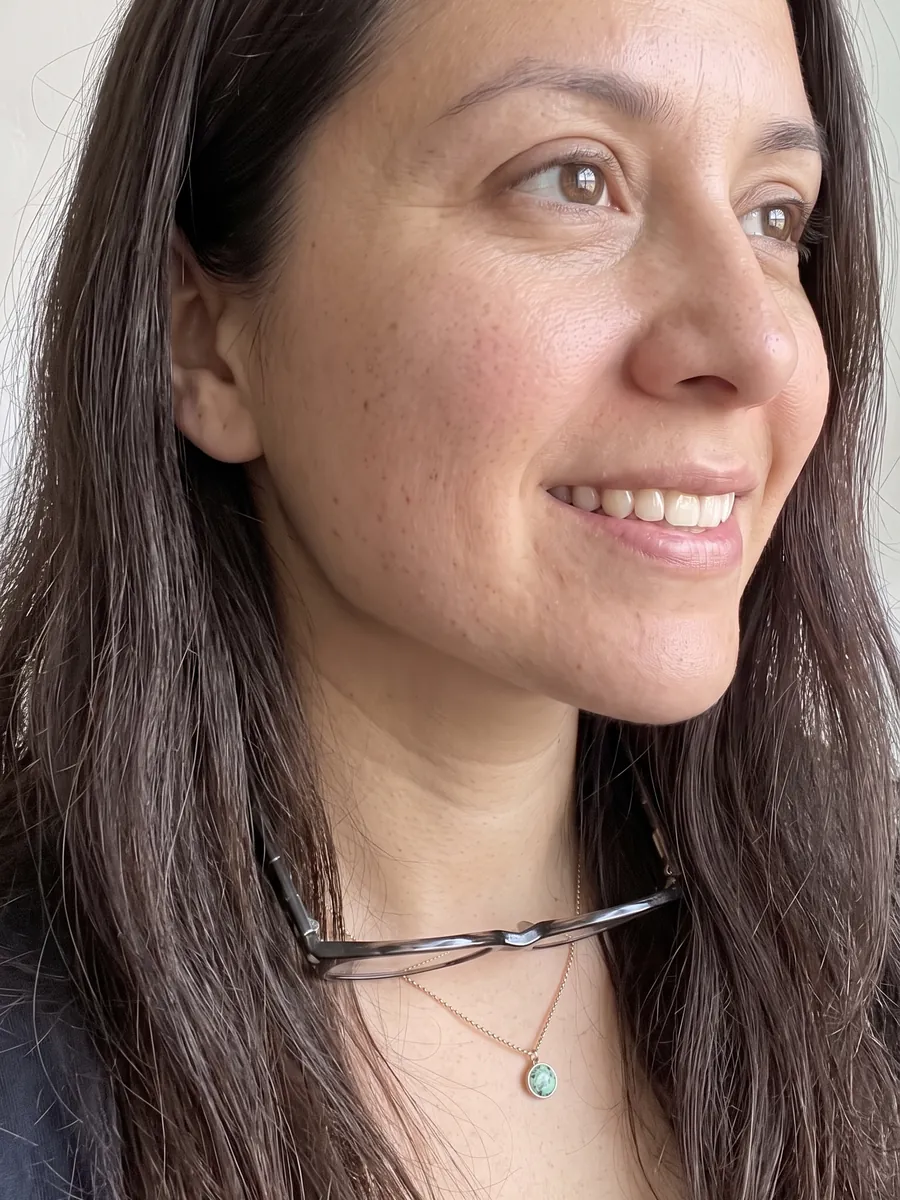
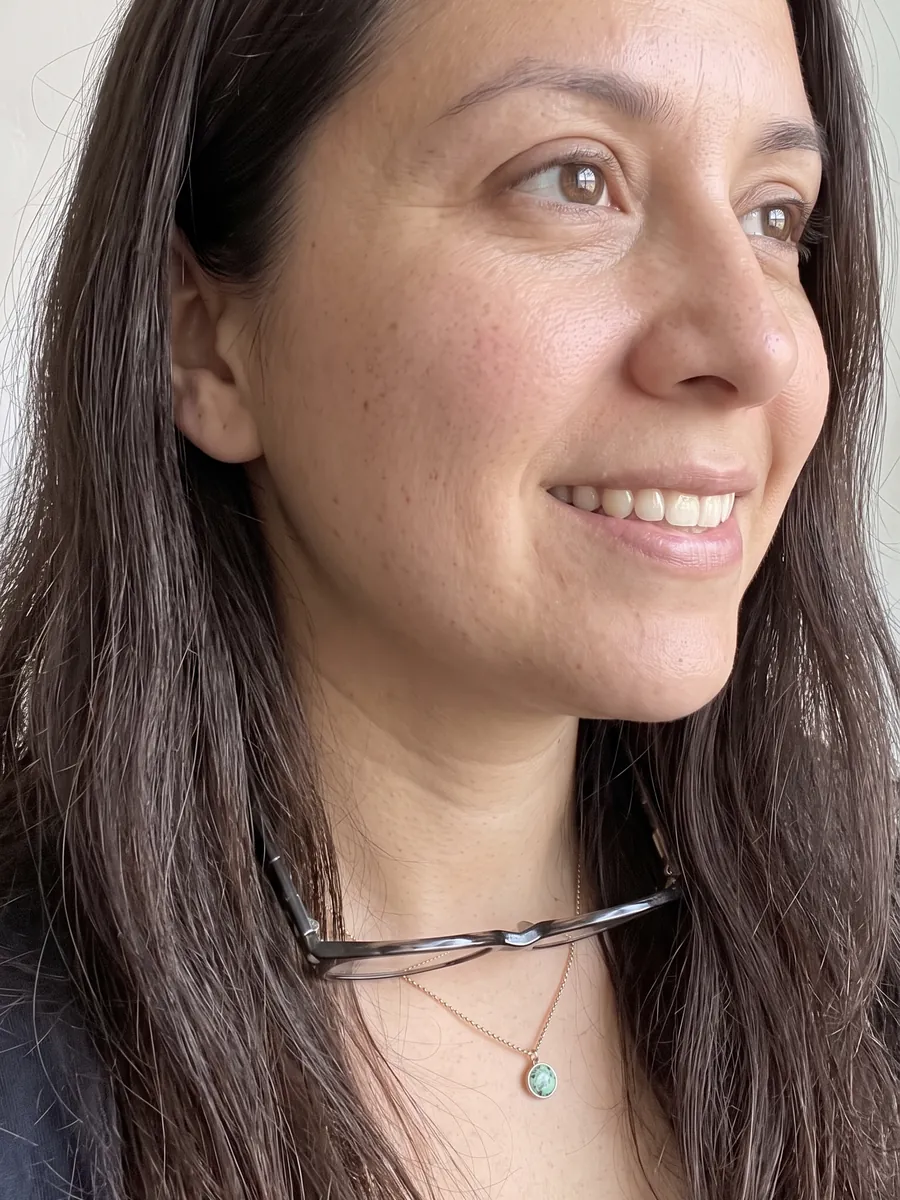
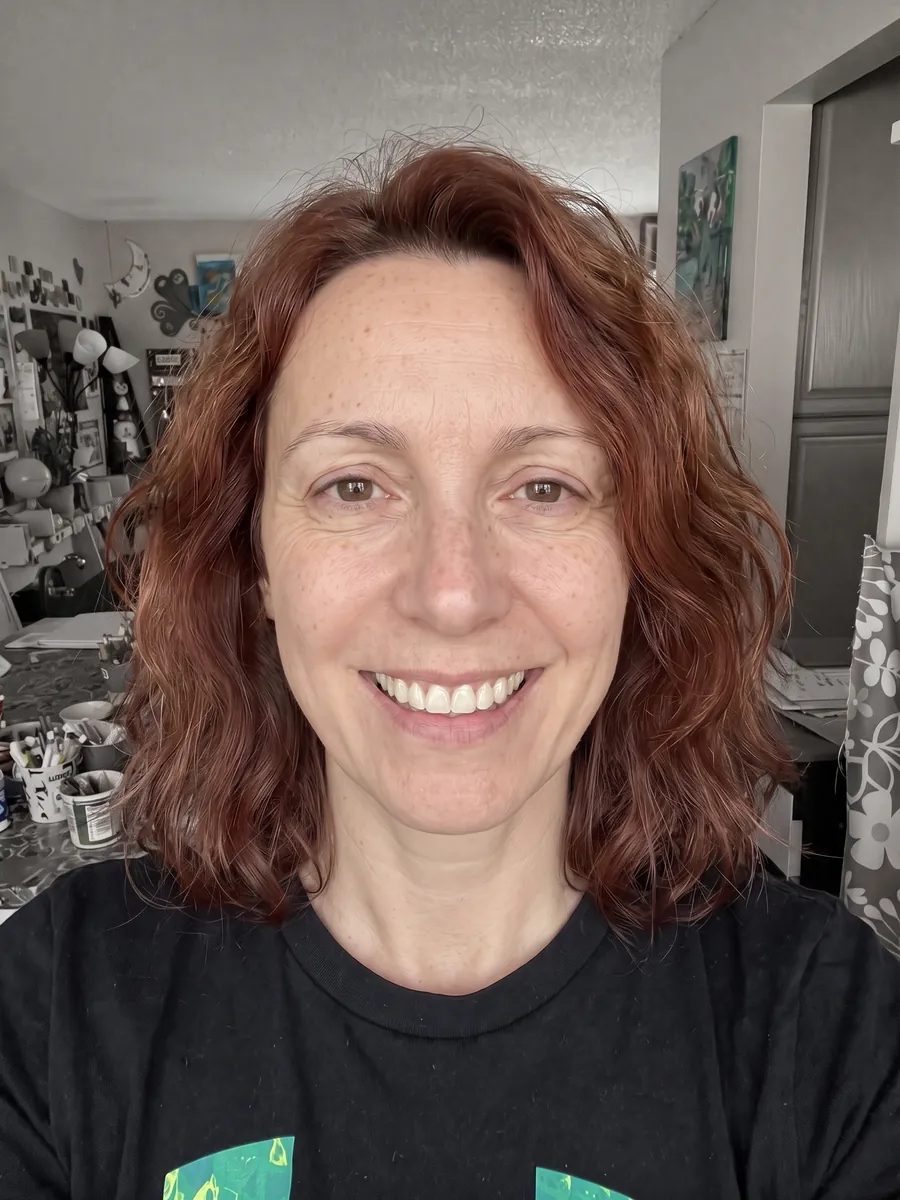
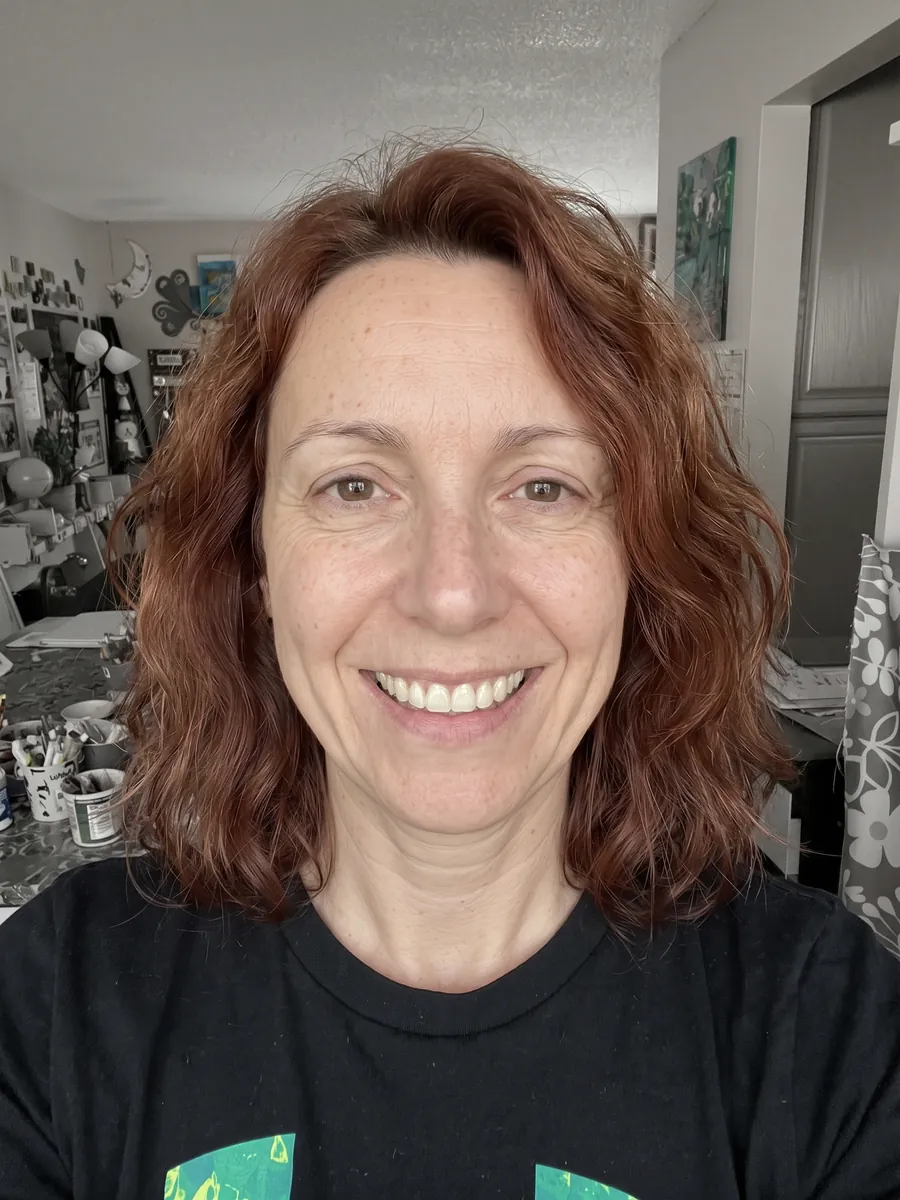
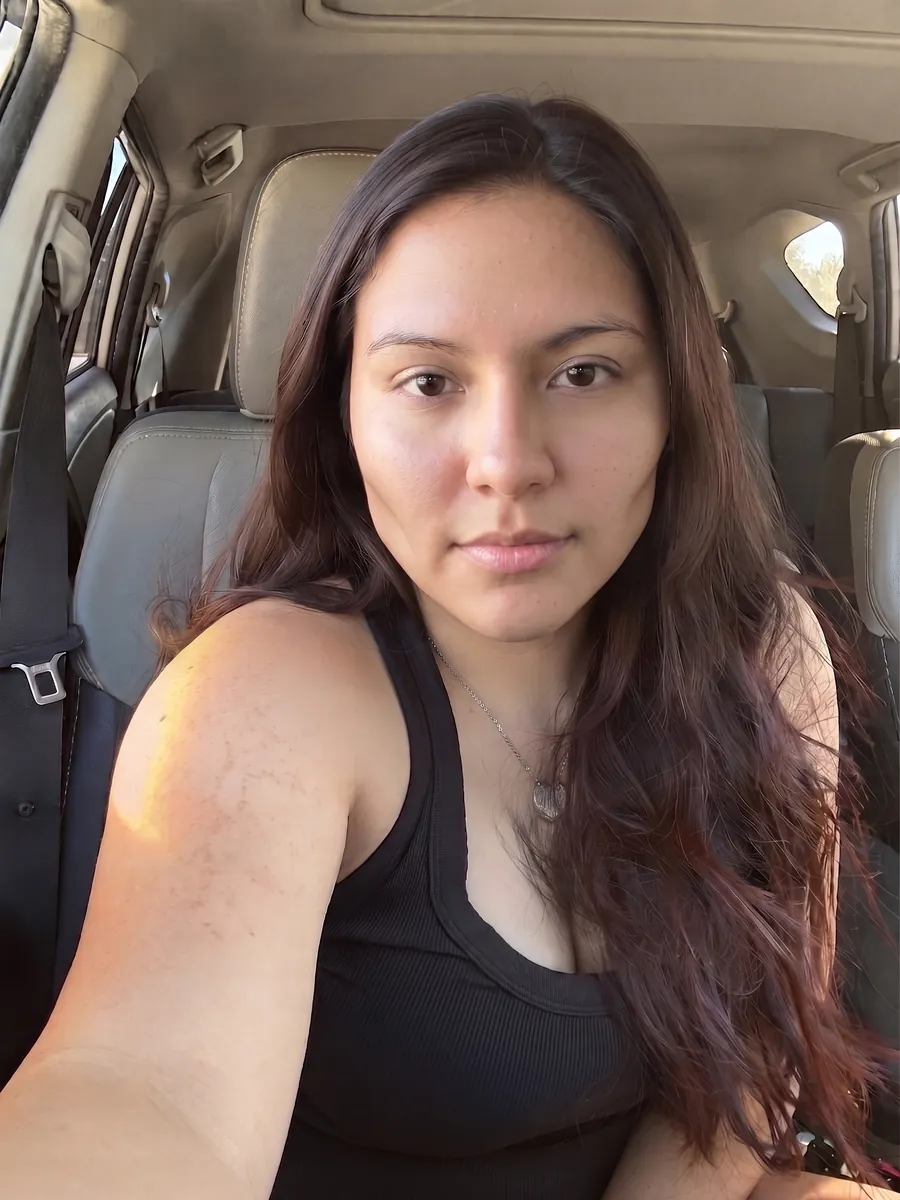
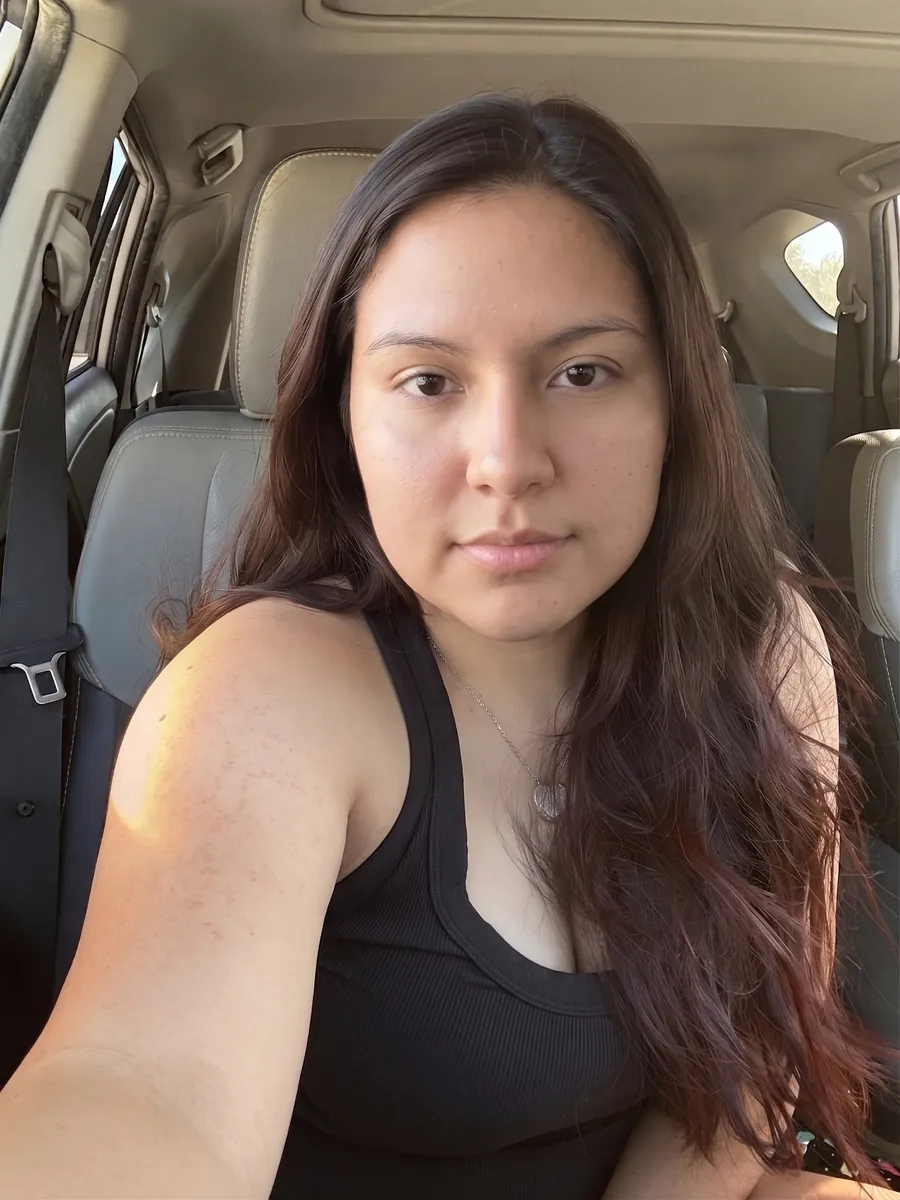
Buccal fat removal takes out part of the fat pad that sits in the hollow below your cheekbone, between the cheekbone and the jaw. This page shows what that looks like on a whole face, at three doses, from the front and in profile, what the evidence says about how it ages, and how to see it on your own photos. What you see here is a Cosmetic Preview, an illustration of the kind of change, not a predicted result.
In short
- Buccal fat removal thins the cheeks in the area of the cheek hollow, according to the ASPS. Cleveland Clinic describes a small incision inside the mouth on each side.
- The ASPS notes that it is typically not performed on thin, narrow faces, because removing the fat may make the face look more gaunt with age.
- The change is permanent: a 2023 study describes the pad as not regenerating after resection. Cleveland Clinic puts healing at about three weeks and the final contour at several months.
- Average US surgeon fee: $3,142 according to the ASPS, before anesthesia, operating room and related costs. No range is published.
- This page shows buccal fat removal at three doses on one face, from the front and in profile, and what the Facial Dossier reads on the cheeks and the jaw before any of it.
What buccal fat removal changes
Between your cheekbone and your jaw sits a deep pad of fat: the buccal fat pad. Cleveland Clinic notes that everyone has one and that it helps shape the face. According to the ASPS, its size differs from one person to the next, and even between the two sides of one face. According to Cleveland Clinic, removing part of it can make the cheekbones and the hollow between the cheeks and the jawline more prominent.
How much is removed matters. In a 2019 ultrasound study in the Aesthetic Surgery Journal, the pads measured about 11.7 ml on average before surgery, about 2.7 ml was removed, and about 8.6 ml remained six months later. A buccal fat removal takes a portion of the pad, not the whole cheek's worth of fat.
What does not change matters as much. The cheekbone and the jaw bone stay where they are. The masseter, the chewing muscle at the angle of the jaw, is untouched, so width that comes from the muscle stays. The fat just under the skin, the skin itself, your eyes, nose and lips, and your expression all stay as they are. If anything else looks different in a before and after, something other than the pad has moved: the light, the angle, a change in weight, or the camera distance. Light from above deepens any hollow, which is why a fair comparison keeps it identical. A preview on a single photo does that by construction. Everything else stays.
In the Facial Dossier, the cheeks are section 7 of 17 and the jaw is section 8. The cheeks section reads cheek projection on your photos, with guides; the jaw section reads jaw width the same way, and the Proportions section adds your face width-to-height ratio. The cheeks and the jaw each end with one of three verdicts: keep, change, or discuss. Reading them side by side helps you see whether the fullness you notice sits in the cheek or at the angle of the jaw.
Where you'd stop: subtle, moderate, full
Mevona shows every procedure at three doses on the same photo. They are not plans. They are three distances along the same direction, so you can see where you would want to stop. The names below are the ones you will see in the app.
Subtle: a hint of hollow
Below the cheekbone, the cheek flattens a little, and a soft shadow appears where the curve used to be. From the front, the face reads a touch narrower at the level of the mouth; in profile, almost nothing moves. Indicatively, this is the kind of change people mean when they ask about a partial removal.
Moderate: a visibly slimmer mid-face
The hollow below the cheekbone is clear, and the cheekbone reads higher because the area under it no longer competes with it. From the front the lower cheek is flatter, and in profile the curve between the cheekbone and the jaw straightens. Indicatively, this is the order of change behind the 2019 study above, where about 2.7 ml was removed from pads of about 11.7 ml.
Full: the most sculpted cheeks
The hollow is deep and the cheekbone stands out sharply. The face reads angular from the front, and the shadow under the cheekbone stays visible even in soft light. This is the largest change the preview shows in one pass, and the one to look at when you want to see where your face would start to look gaunt.
Surgeons do not work in doses. They remove a portion of the pad, measured in millilitres, and the amount depends on your anatomy. The authors of the 2019 study recommend removing only the excess portion, because the pad provides midface volume that can be difficult to restore once aging affects the tissue around it. The correspondences above are indicative. The three doses are a way of looking, not a menu. What is achievable on your face is a conversation to have with a qualified professional, with your photos and the preview in hand if you like.
Front and profile
Buccal fat reads from both angles, in different ways. From the front, you see the width of the face at the level of the mouth and the shadow that forms under the cheekbone. That is where most people notice a round face, in a mirror or a selfie, which is why the main visual on this page is the front view.
In profile, you see the cheek from the side: the curve that runs from the cheekbone down to the corner of the jaw, and how deep the hollow under the cheekbone becomes. The profile is where you check that the hollow stays a shadow and does not become a dent, especially at the full dose.
That is why Mevona asks for three photos, one from the front and one from each side. Look at the front view first for the width, then at the profile to see how the hollow sits under your cheekbone. The subtle dose is mostly a change in the front view; the full dose changes the side view as well.
Techniques and variants
Buccal fat removal is one operation with a few variations:
- Intraoral removal. The usual approach. Cleveland Clinic describes a small incision inside the mouth on each side, usually under local anesthesia, with stitches that are often dissolvable.
- Partial removal. Only the excess portion of the pad is taken, which is what the 2019 volumetric study recommends. The subtle dose on this page is the closest illustration, and it has its own page: partial buccal fat removal.
- In older faces. A 2023 study of 133 people handled faces with sagging lower cheeks, typically older, differently from bottom-heavy faces: it avoided removing large parts of the pad from the upper cheek, to avoid a gaunt look.
- What it is not. Buccal fat removal works on fat inside the cheek. Width from the chewing muscle is the territory of masseter botox, and fat under the chin is a different procedure, chin liposuction.
Who usually considers it
People arrive at this page from a few starting points: a face that feels too full, cheeks that stay round in photos even at a stable weight, or a lower face that looks wider than the cheekbones. The ASPS describes the first, and Cleveland Clinic describes people who dislike the fullness in their cheeks and are otherwise healthy, with a stable weight.
Both sources also say who it usually is not for. The ASPS notes that the procedure is typically not performed on thin, narrow faces, because removing the fat may make the face look more gaunt with age. Cleveland Clinic adds that a narrow face, or being past a certain age, can make someone a poor fit.
None of that says whether buccal fat removal is right for a given face. That is not something a page or a preview can tell you. What a preview can do is show you the direction and the distance, so that when you discuss it with a qualified professional, you already know which dose you were picturing and how it reads in profile. If the width you see sits at the angle of the jaw, the comparison below is the place to start.
Buccal fat removal vs masseter botox
| Buccal fat removal | Masseter botox | |
|---|---|---|
| What it is | Surgery that removes part of the fat pad in the cheek hollow, through an incision inside the mouth | Botulinum toxin placed in the masseter, the chewing muscle at the angle of the jaw |
| What it can do | Thin the cheeks in the area of the cheek hollow, according to the ASPS | Thin out the muscle so the face takes a slightly more V-like shape, according to an ASPS surgeon article |
| What it cannot do | Change the muscle or the bone at the jaw | Change the fat in the cheek hollow |
| How long it lasts | Permanent; the pad does not regenerate after resection, according to a 2023 study | About three to four months, according to the same ASPS article |
| Recovery | Liquid diet for a day or two, healing in about three weeks, final contour after several months (Cleveland Clinic) | No incision; bruising and pain where it is placed are possible (ASPS) |
| Reversibility | Not reversible | Wears off |
| Risks named by the ASPS | Asymmetry, bleeding, infection, salivary duct injury, facial nerve injury, numbness, prolonged swelling, revision | Bruising, pain, flu-like symptoms, headache, nausea, redness, temporary facial weakness or drooping |
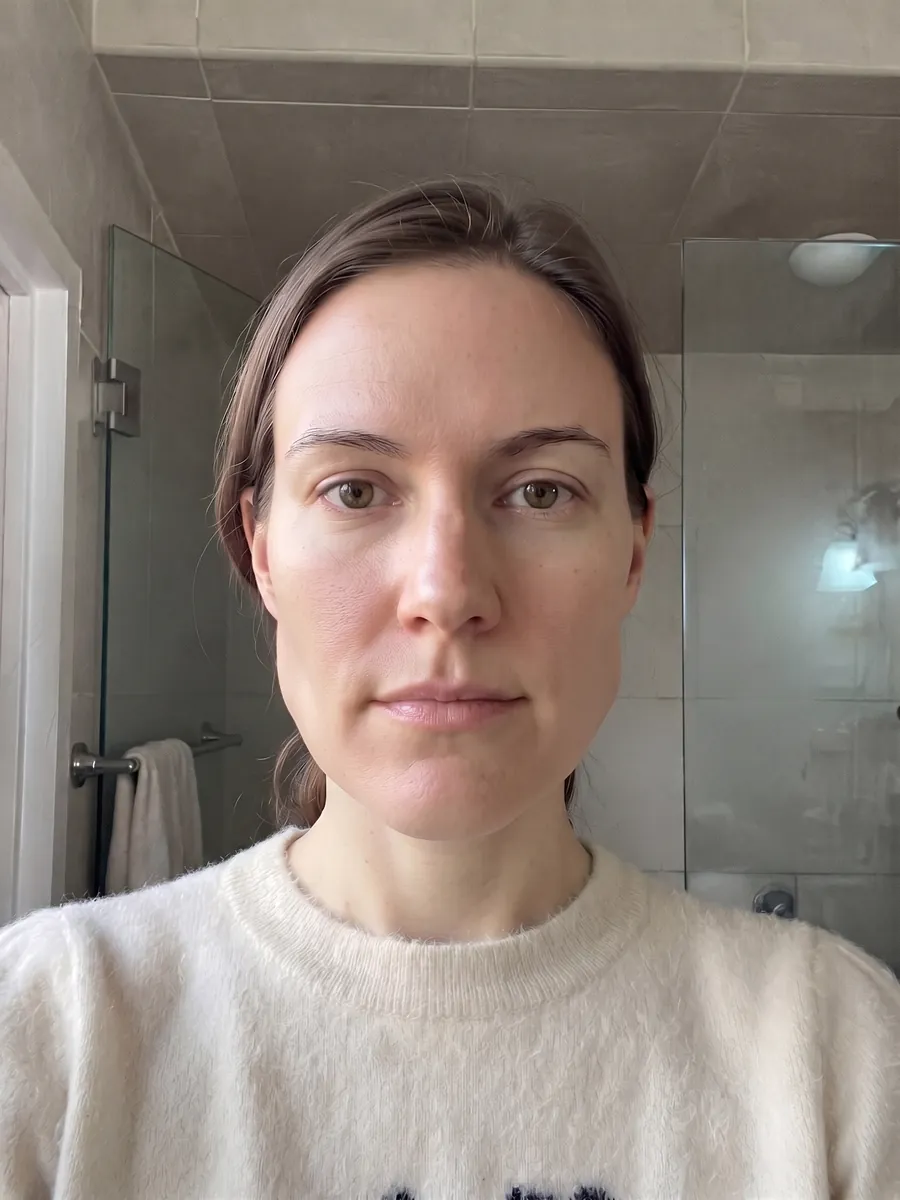
Both come up when the lower half of the face looks wide, which is why they are often compared. They act on different tissue, at different depths, for different lengths of time. The full comparison, with both at the same dose on the same photo, is here: masseter botox vs buccal fat removal.
Cost, recovery, risks
Cost
| Typical range | $3,142 to $3,142 |
|---|---|
| Source | ASPS average surgeon fee, no range published; excludes anesthesia, operating room facilities and other related expenses |
Indicative. A quote depends on the technique, the city and the practice.
The ASPS average of $3,142 is the surgeon's fee alone. Anesthesia, the operating facility and other related expenses come on top, and the ASPS publishes no range. On the same page, it notes that the fee depends on the surgeon's experience, the type of procedure and the location of the office, which is why totals vary so much from one city to another.
Recovery
- Day 0Outpatient surgery through a small incision inside each cheek, usually under local anesthesia according to Cleveland Clinic. The stitches are often dissolvable.
- Day 1 to 2A liquid diet, then soft foods added gradually. Swelling, bruising and numbness around the incisions are expected and fade.
- Week 1Most people return to normal activities after a few days to a week, once their provider agrees, according to Cleveland Clinic.
- Week 3Healing usually takes about three weeks. The cheeks can still look fuller than the final result, because swelling hides the change at first.
- Month 3 and afterCleveland Clinic puts the final result at several months. A 2023 study that followed 61 people for a year measured a smaller volume in every lower facial segment it tracked.
Two sources frame the timeline. Cleveland Clinic describes a same-day procedure, usually under local anesthesia, followed by a liquid diet for a day or two, a return to normal activities after a few days to a week, healing in about three weeks, and a final result that takes several months to show. A 2023 study in the Aesthetic Surgery Journal Open Forum followed 61 people for a year after surgery and measured a smaller volume in every lower facial segment it tracked, in both groups of faces it studied.
Risks
The ASPS lists the known risks of buccal fat removal: anesthesia risks, asymmetry, bleeding, deep vein thrombosis and cardiac or pulmonary complications, fluid or blood collecting under the skin, infection, injury to a salivary duct, injury to branches of the facial nerve with temporary or permanent weakness, numbness, persistent pain, poor healing of the incisions, prolonged swelling, a suboptimal result, and the possible need for revision. A 2026 systematic review of ten studies and 1,123 people counted 39 complications in 921 procedures, 4.2 percent, mostly minor.
The question most people ask next is whether it ages you, and the honest answer is that nobody has measured it yet. The same review found long-term outcomes poorly assessed because follow-up was limited, with one study reporting a gaunt appearance in 1.6 percent. What is known is how the face around the pad changes. A CT study that followed 19 people over a mean of 11.3 years measured an 11.3 percent loss of superficial midface fat and 18.4 percent of deep midface fat, while the buccal pad went from 9.36 to 8.68 cc, a change the authors did not count as significant. Cleveland Clinic, for its part, writes that buccal fat naturally diminishes with age. Either way, the removed portion does not come back while the fat around it thins, which is consistent with the ASPS caution on thin, narrow faces. Your own risk belongs in a consultation with a qualified professional. Cosmetic Previews are illustrative and do not predict the result of any procedure.
Often combined with
Two combinations come up often enough that Mevona previews them on the same photo:
- Jawline contouring. A flatter cheek makes the line of the jaw more visible, and a cleaner jawline below it continues the same contour down to the chin. See jawline contouring.
- Cheek augmentation. A little more volume at the cheekbone above a little less fullness below both make the cheekbone read higher, and the pair lets you see whether the hollow suits you better with support above it. See cheek augmentation.
The combination previews use the moderate dose of each procedure, from the front.
Send three photos from your phone, front and both sides, in your own light. Pick buccal fat removal and a dose, and see the hollow form under your cheekbone while the rest of your face stays yours. Start at a hint of hollow, then turn to the profile to see whether the deeper doses still look like you. Compare it with masseter botox, jawline contouring or cheek augmentation on the same photo. Previews are ready while you wait, and your Facial Dossier follows within 24 hours, with the cheeks and jaw sections read. One membership, $99 a year, all 29 procedures. Take your time, then decide.