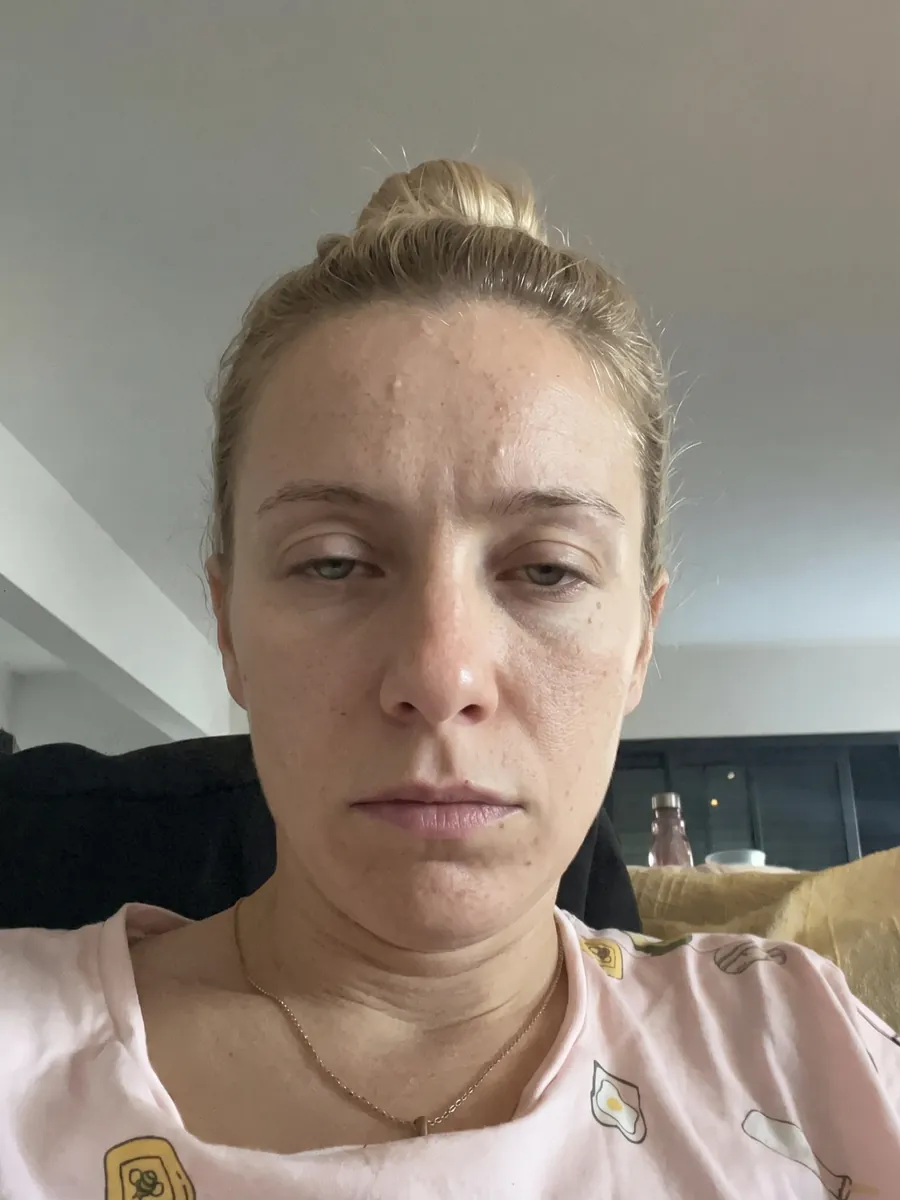
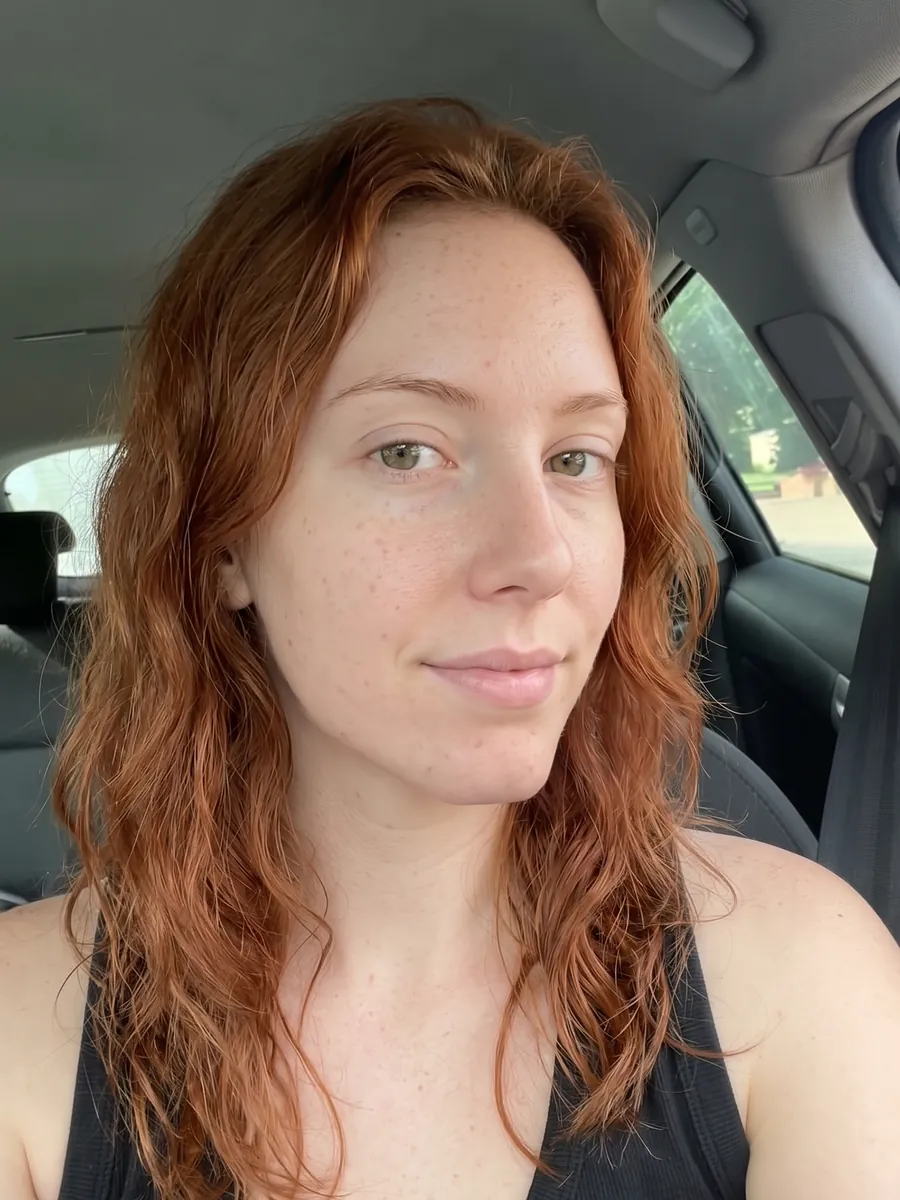
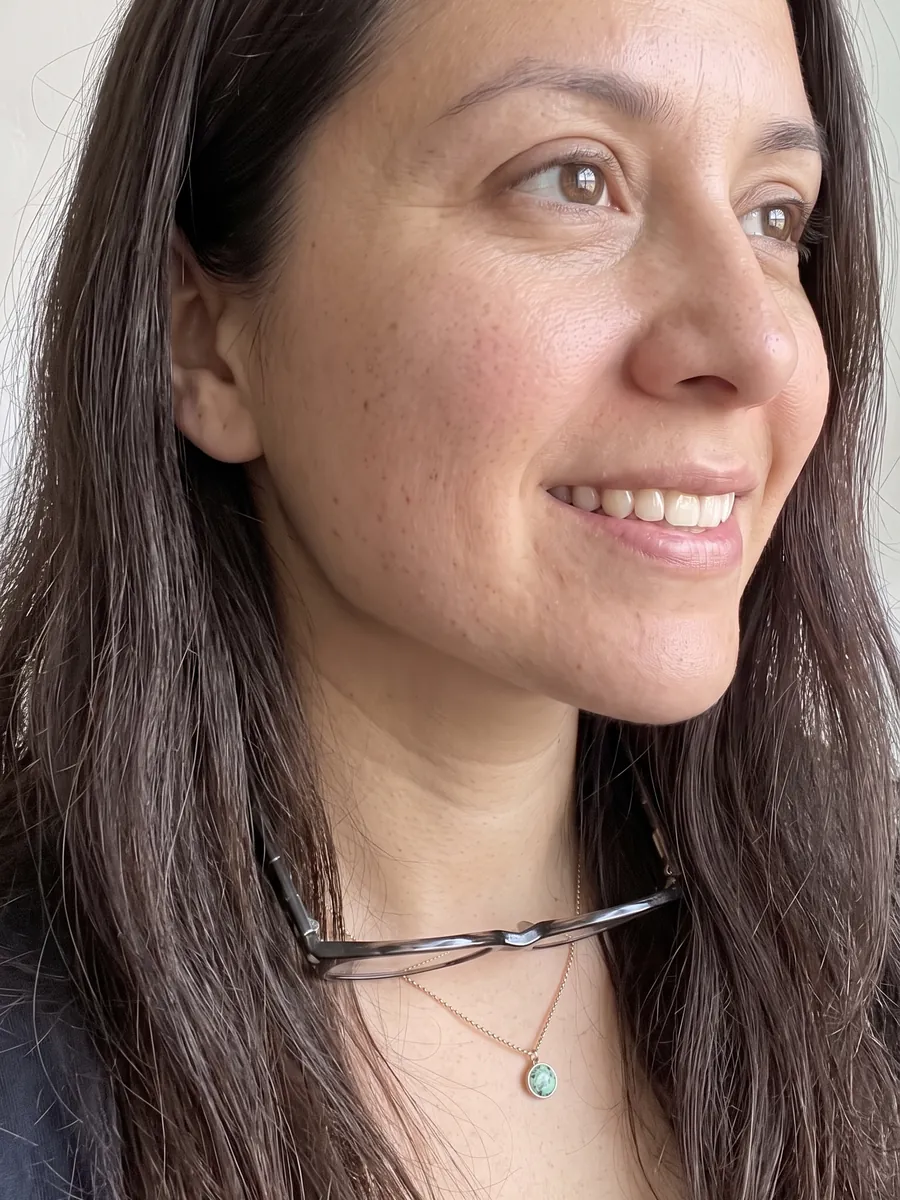
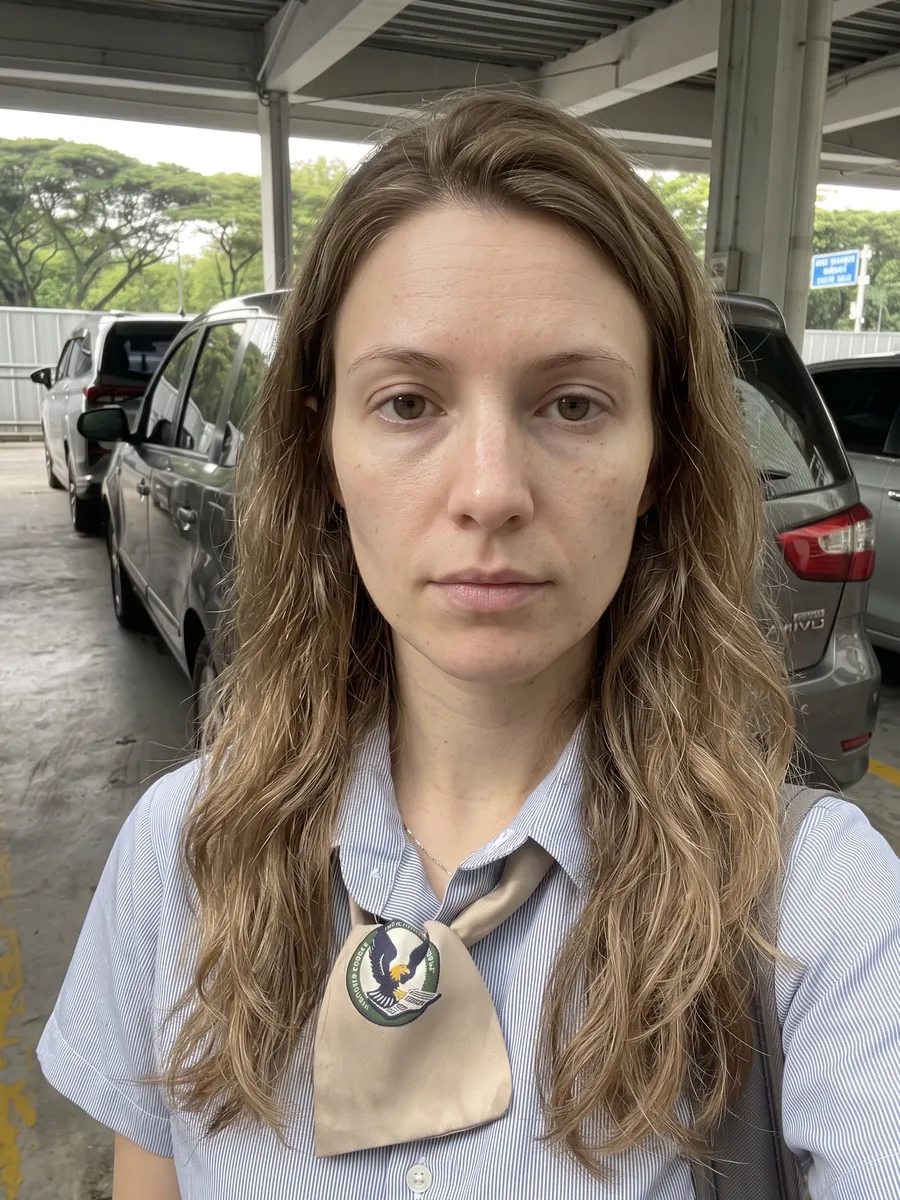
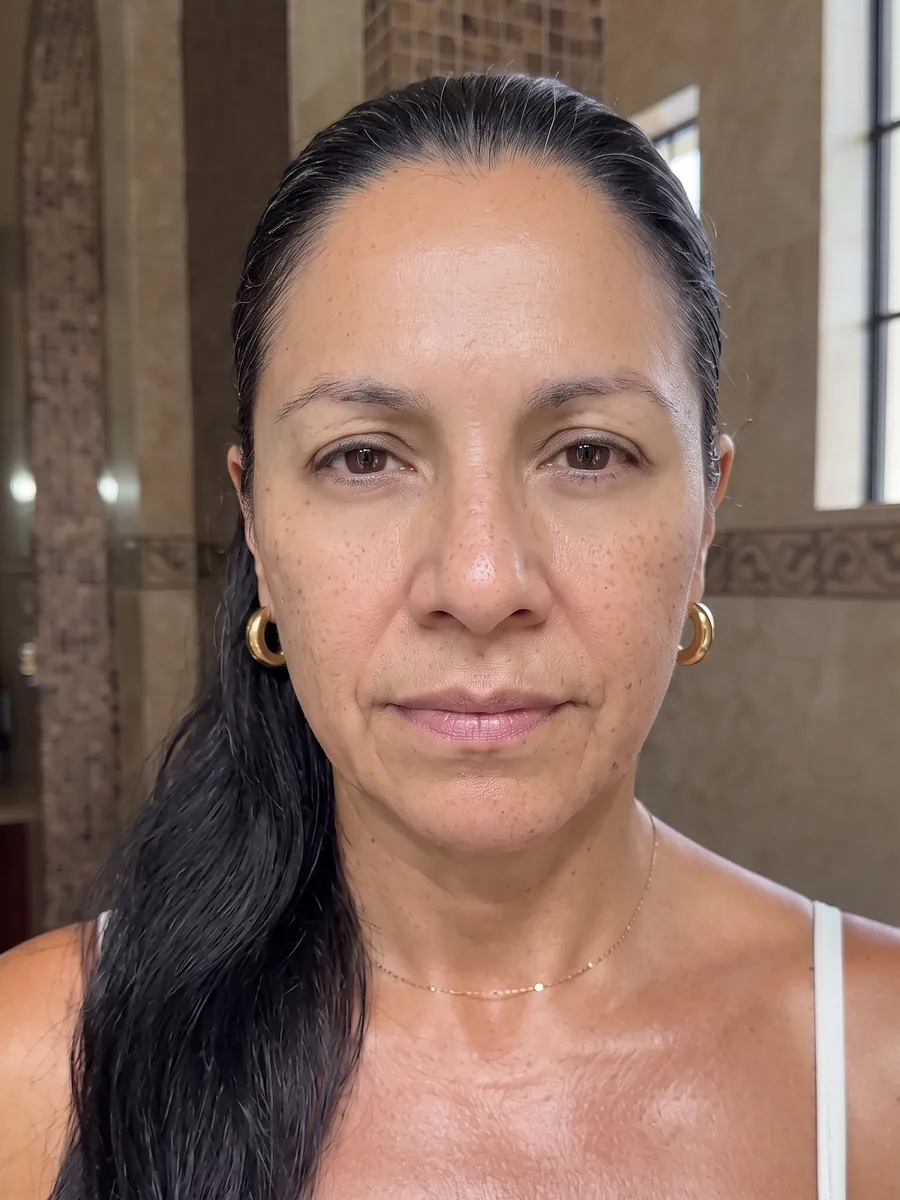
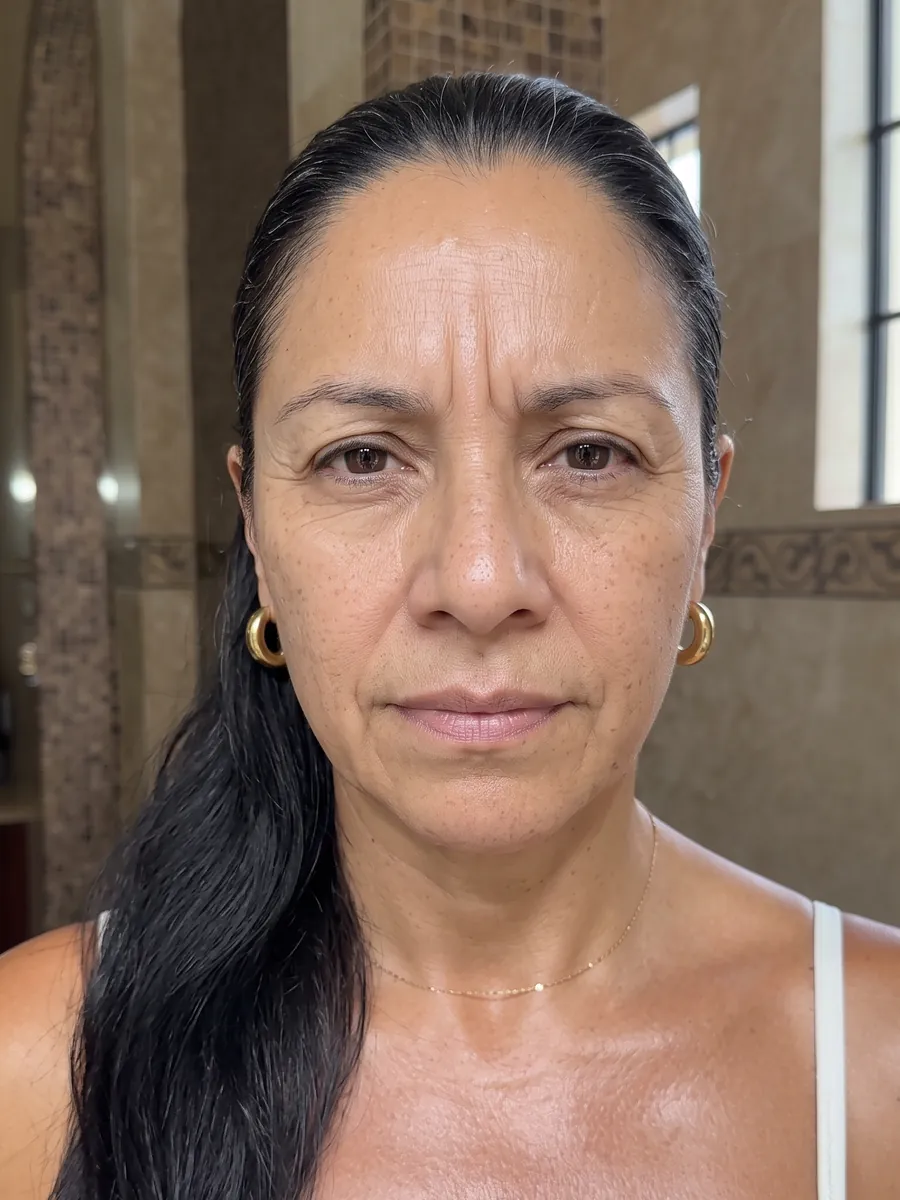
Tip rhinoplasty before and after, on your own face
By Jérémie Aouate, founder of Mevona. Updated October 22, 2026.
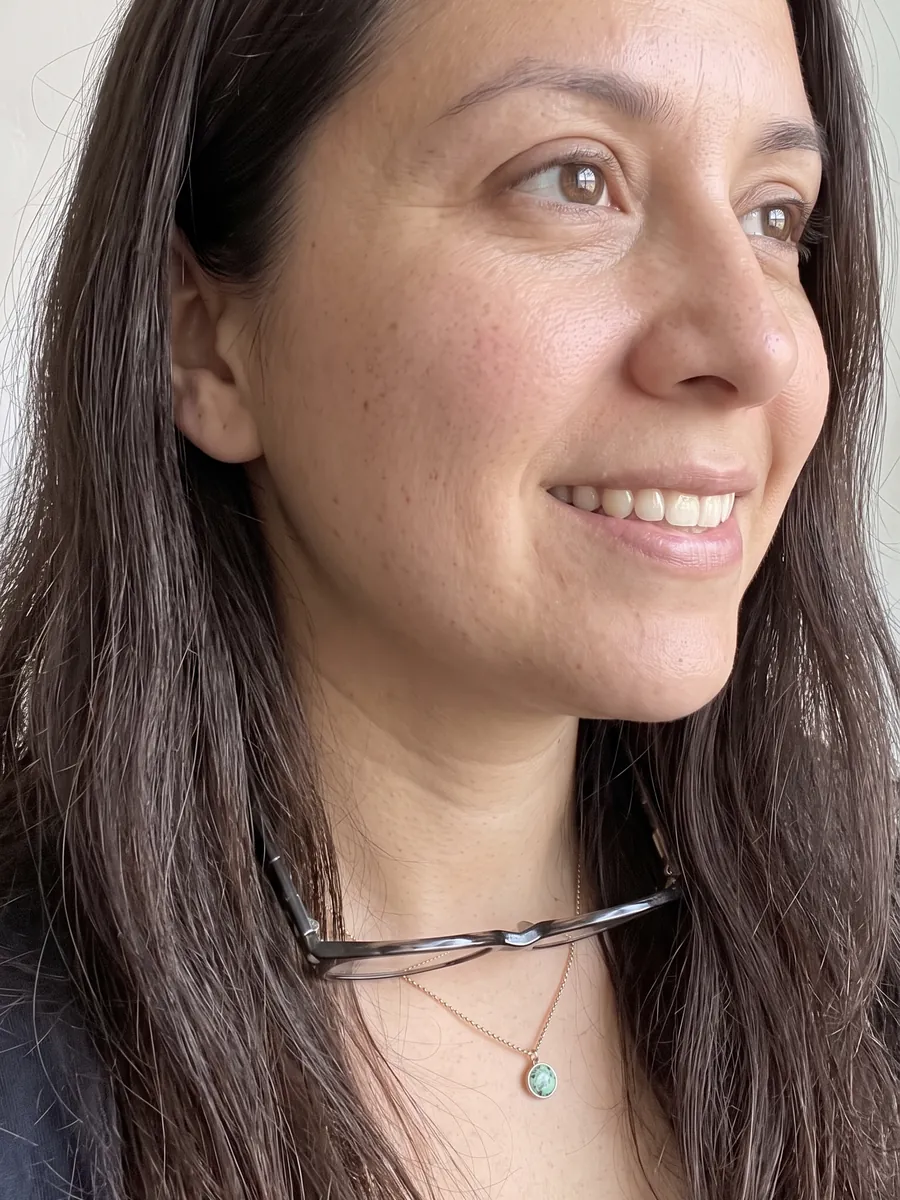
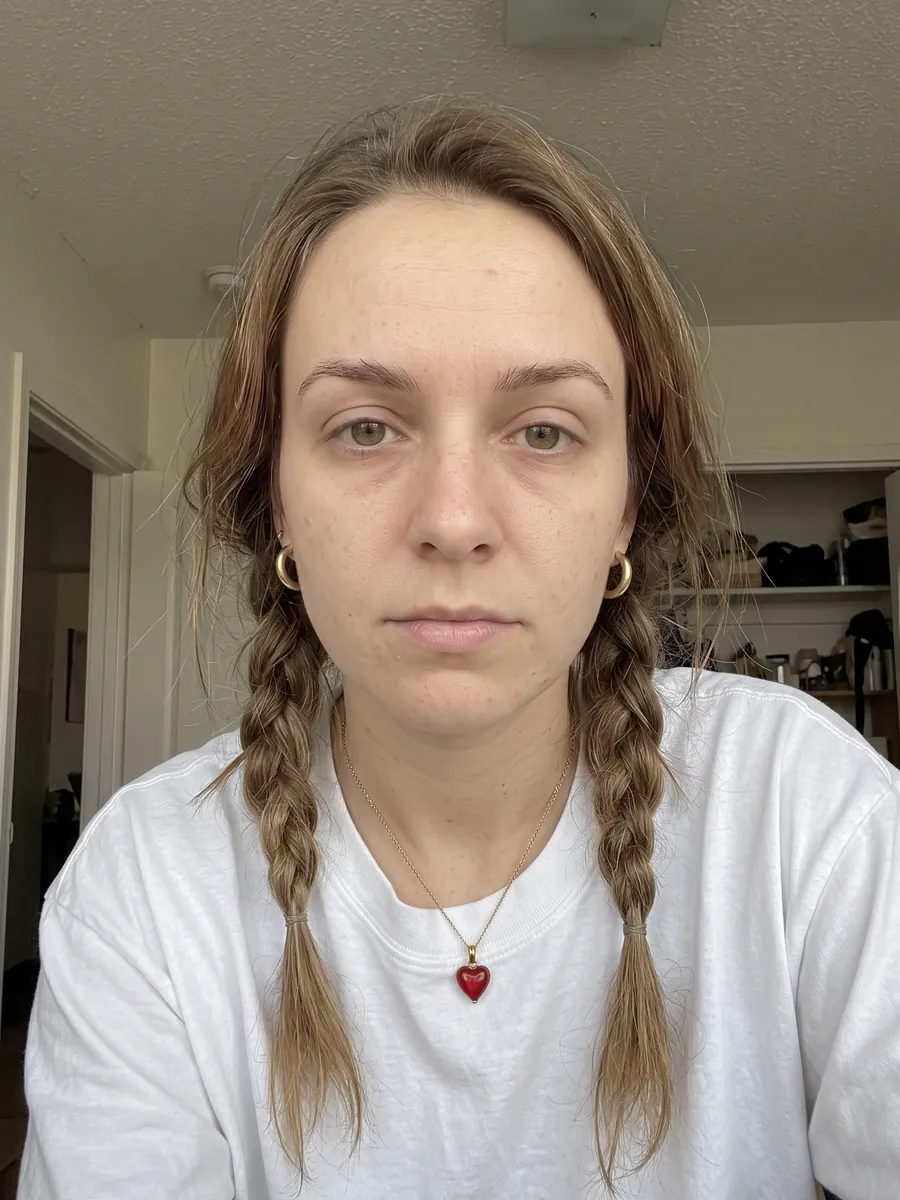
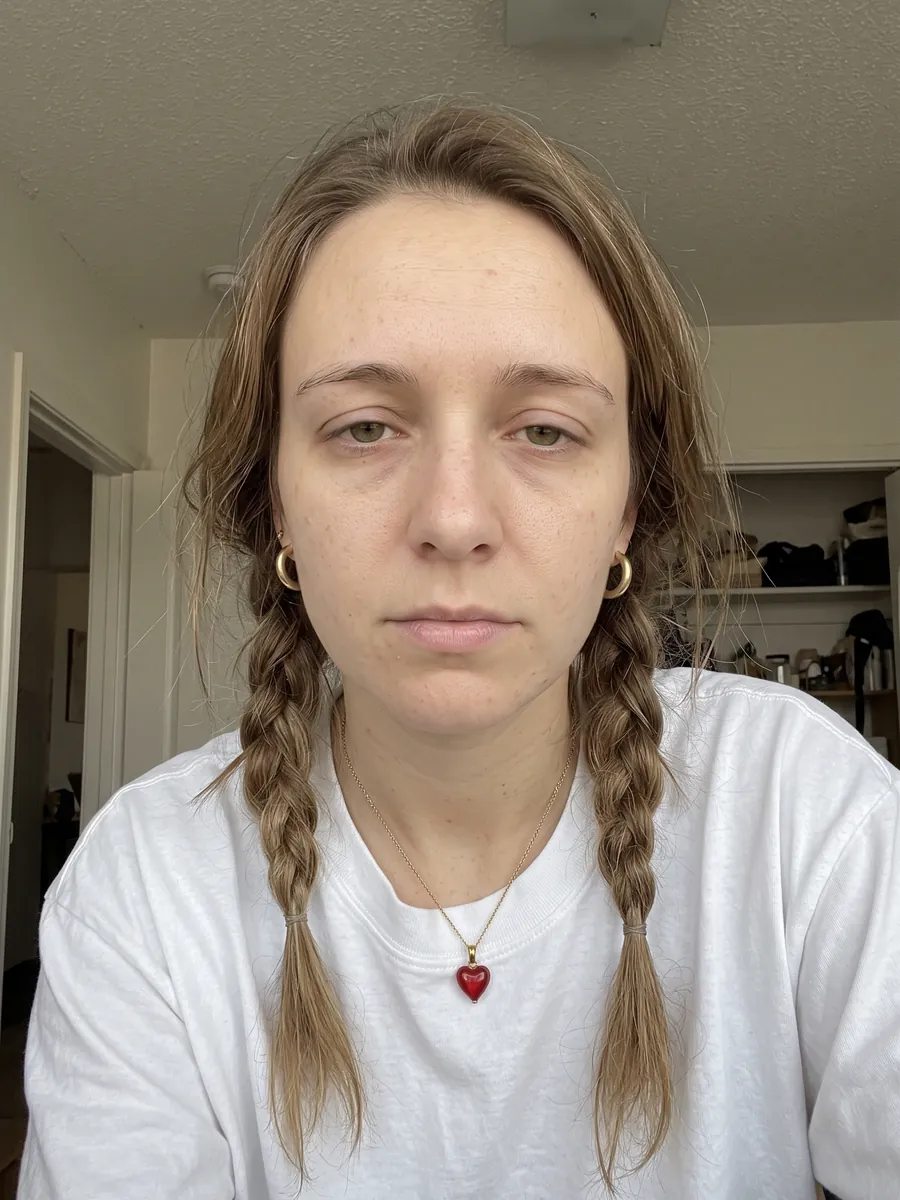
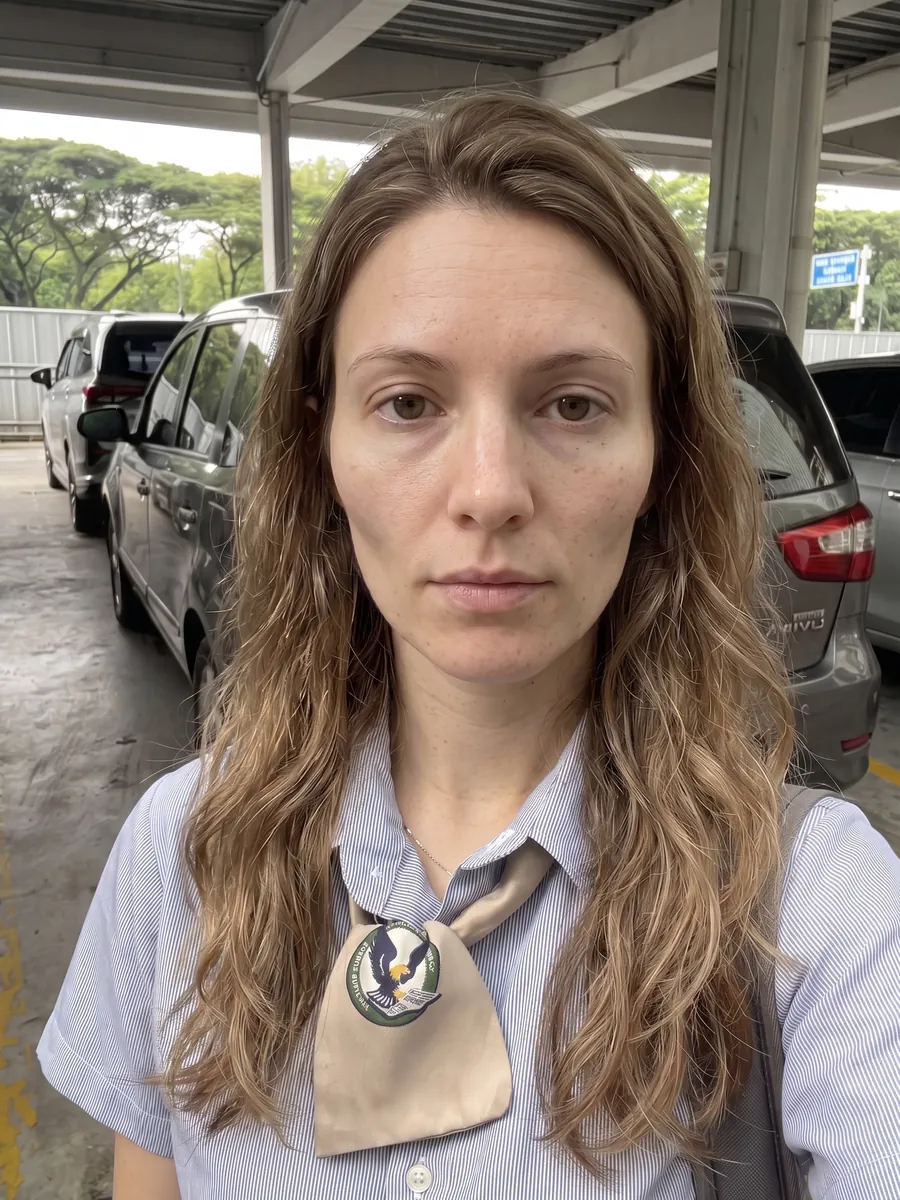
Nasal tip refinement, often called tip rhinoplasty, changes the end of your nose only: how wide the tip reads, how defined its outline is, and, in profile, how far it turns up. This page shows that change on a whole face, at three doses, in profile and from the front, and how to see it on your own photos. What you see here is a Cosmetic Preview, an illustration of the kind of change, not a predicted result.
In short
- Nasal tip refinement works on the cartilages of the tip, by stitching them, trimming some of them or adding a small graft, according to Cleveland Clinic. The bridge is left as it is.
- People consider it for a tip that is enlarged or bulbous, drooping, upturned or hooked, the tip shapes the ASPS lists among what rhinoplasty can address.
- The change is permanent, but the tip settles slowly: Cleveland Clinic puts its true result at about a year. Thick, oily skin can limit how defined the tip looks, according to a 2025 systematic review.
- Cost: the ASPS publishes no tip-only figure. Its average surgeon fee for rhinoplasty is $7,637, before anesthesia and facility fees.
- This page shows a nasal tip refinement at three doses, in profile first and then from the front, and what the Facial Dossier reads on the nose before any of it.
What nasal tip refinement changes
The tip of your nose is shaped by two small curved cartilages, one on each side, under a layer of skin and soft tissue. Where those cartilages meet sets how wide and how defined the tip reads from the front. How they are supported sets how far the tip points up or down in profile. Nasal tip refinement works on that pair and on nothing above it. Cleveland Clinic describes a bulbous tip being corrected by stitching or removing some of the tip cartilage, and a tip that lacks shape being given one with cartilage taken from the septum or the ear.
What moves: the width of the tip, the crispness of its outline, and its rotation, the angle at which it turns away from the upper lip. What stays: the bridge, the bony upper part of the nose, the nostrils at their base, and everything else on your face. If a before and after shows a different bridge, more than the tip was done.
The skin keeps its thickness, and at the tip that matters. A 2025 systematic review of seven studies notes that thick, oily nasal skin can compromise tip definition and delay the resolution of swelling. The evidence is not one-sided: in a 2010 study of 40 people, the tip narrowed after surgery and the amount of narrowing was not significantly linked to skin thickness, which led the authors to conclude that skin may matter less to narrowing than commonly believed. Read together, the two suggest that a thick-skinned tip can become narrower while its outline stays softer. A Cosmetic Preview shows the direction of the change on your photo; it cannot tell how your own skin will drape over new cartilage.
In the Facial Dossier, the nose has its own section, number 5 of 17. On your front photo it measures nose width in millimeters and the nose width-to-height ratio. It does not measure the tip on its own. The section ends with one of three verdicts: keep, change, or discuss. That reading comes before any preview, so you know what you are starting from.
Where you'd stop: subtle, moderate, full
Mevona shows every procedure at three doses on the same photo. They are not surgical plans. They are three distances along the same direction, so you can see where you would want to stop. The names below are the ones you will see in the app.
Subtle: a slightly finer tip
The tip reads a little narrower from the front, and its outline is a touch crisper. In profile, the angle with the upper lip barely moves. This is the dose for checking whether a small change at the tip is visible at all on your face.
Moderate: a lifted, defined tip
The tip is narrower and better defined, and in profile it turns up slightly, so the angle with the upper lip opens. A tip that pointed down no longer does. This is the dose where the nose starts to look different while the face still reads as the same person.
Full: a fully refined tip
The tip is at its narrowest and most defined in the preview, and the lift in profile is at its clearest. From the front, the lower third of the nose reads smaller against the cheeks. This is the largest change the preview shows in one pass, and the one to read with your skin in mind, since thick skin can compromise tip definition according to the 2025 review cited above.
Surgeons do not work in doses. They place stitches, trim cartilage or add a graft, and how much depends on your anatomy and your skin, so any translation of a dose into millimeters or degrees would only be indicative. The three doses are a way of looking, not a menu. What is achievable on your tip is a conversation to have with a qualified professional, with your photos and the preview in hand if you like.
Front and profile
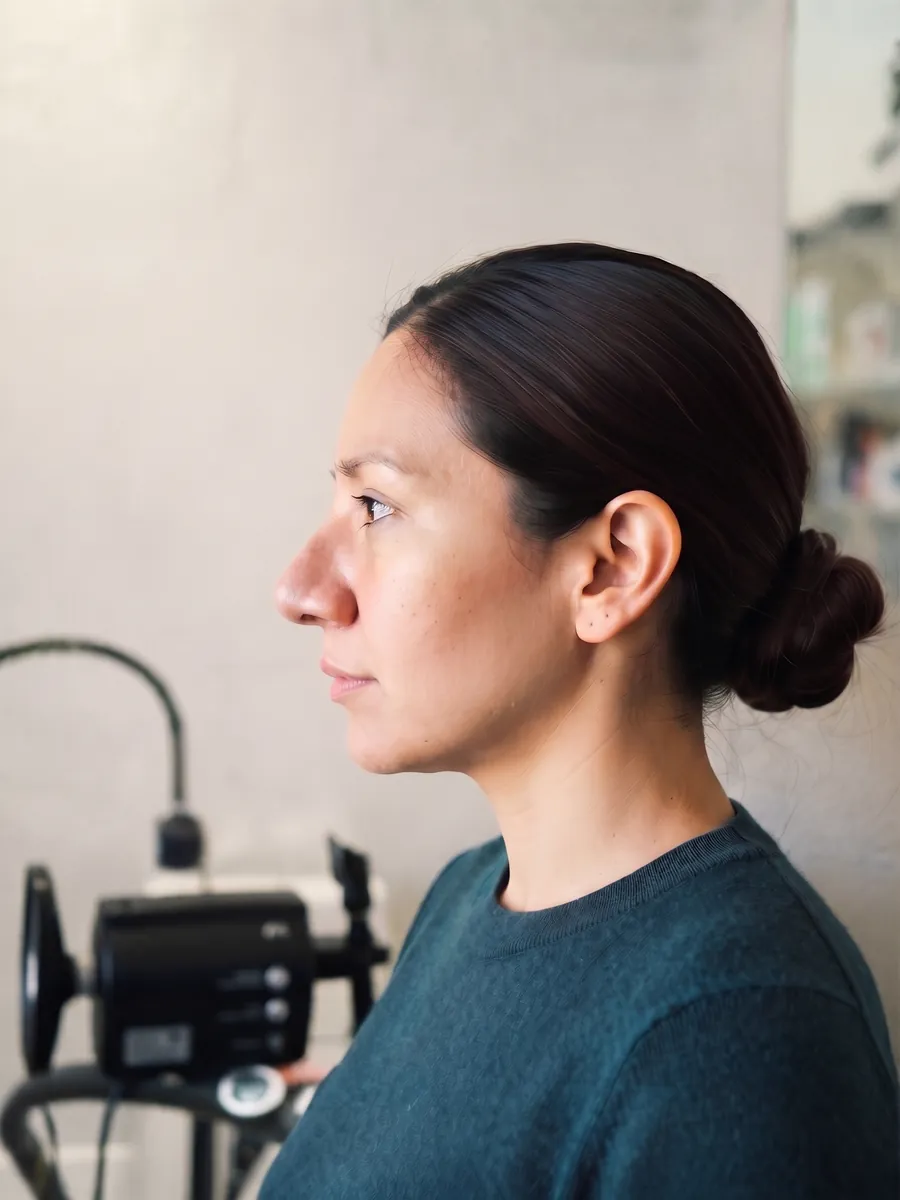
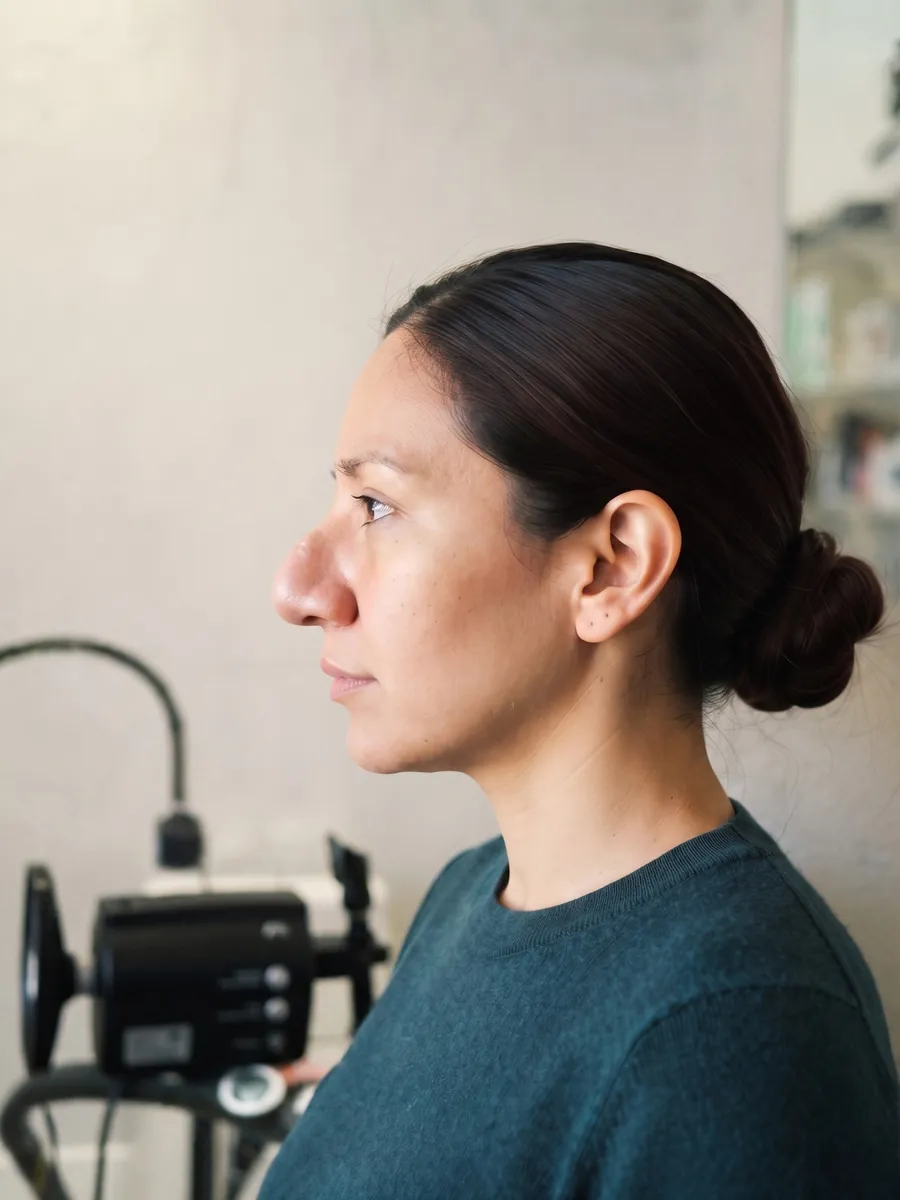
The tip looks different from each angle. From the front you see its width, the crispness of its outline and how it sits above the nostrils. In profile you see its rotation, the angle at which it turns away from the upper lip, and its projection, how far it stands out from the face. A tip that droops when you smile can look ordinary from the front and obvious in profile.
That is why the main visual on this page is the profile, and why Mevona asks for three photos, one from the front and one from each side. Look at the profile first for the lift, then at the front view to check that the narrower tip still fits the width of your nostrils, which this procedure leaves where they are. On the face below, compare the two angles at the same dose: the lift reads in profile, the narrowing from the front.
Techniques and variants
Tip work is part of rhinoplasty, done on its own or alongside other steps. The distinctions that come up most:
- Closed approach. All incisions sit inside the nostrils. Cleveland Clinic describes closed rhinoplasty as the approach for smaller changes.
- Open approach. A short incision across the columella, the strip of skin between the nostrils, lets the surgeon lift the skin and see the cartilages directly. Cleveland Clinic describes it as the approach for larger changes.
- Stitching and trimming. For a bulbous tip, Cleveland Clinic describes stitching the tip cartilages or removing some of them. This is the change the three doses on this page illustrate.
- Grafts. When a tip lacks shape, cartilage taken from the septum or the ear can give it one, according to Cleveland Clinic.
- Isotretinoin for thick skin. Some surgeons pair tip work on thick skin with oral isotretinoin, a prescription medicine. The 2025 systematic review cited above reported better tip definition and less swelling with it. Whether it applies to you is a question for a qualified professional.
- Full rhinoplasty. When the bridge changes too, tip work becomes part of a rhinoplasty, which has its own page, with a page on the dorsal hump.
- Alar base reduction. Narrowing the nostrils at their base is a separate step, not part of tip work.
- Filler at the tip. A nonsurgical option, different in what it can do and how long it lasts; see the comparison below.
Who usually considers it
People arrive at this page from a few starting points: a tip that reads round or wide in photos while the bridge looks fine, a tip that droops in profile or when they smile, a tip that turns up more than they like, or a slight asymmetry at the end of the nose. The ASPS lists an enlarged or bulbous, drooping, upturned or hooked tip among what rhinoplasty can address.
Skin is part of the starting point too. If your nasal skin is thick or oily, how much definition the tip can show is part of the conversation from the start, according to the 2025 review cited above. That is not a reason to stop looking, and the 2010 study found narrowing was not significantly linked to skin thickness. It is a reason to read the full dose with some caution.
None of that says whether tip refinement is right for a given face. That is not something a page or a preview can tell you. What a preview can do is show you the direction and the distance, so that when you discuss it with a qualified professional, you already know which dose you were picturing and which angle shows it best. If the bridge is part of what you see in profile, start with rhinoplasty.
Nasal tip refinement vs tip filler
| Nasal tip refinement | Filler at the tip | |
|---|---|---|
| What it is | Surgery on the tip cartilages: stitching, trimming or a graft | Filler placed under the skin of the nose, also called nonsurgical rhinoplasty |
| What it can do | Narrow, define, lift or lower the tip, according to Cleveland Clinic and the ASPS | Enhance the tip and lift a droopy one, according to Cleveland Clinic |
| What it cannot do | Change the bridge or the base of the nostrils, which are separate steps | Make the nose smaller or narrower, according to Cleveland Clinic |
| How long it lasts | Permanent once healed; the true result of the tip shows at about a year | Typically up to six months, according to Cleveland Clinic |
| Recovery | Skin stitches out in four to seven days, swelling for months | No downtime, according to Cleveland Clinic |
| Reversibility | Not reversible | Reversible, according to Cleveland Clinic |
| Risks named by the source | Anesthesia, infection, scarring, breathing changes, septal perforation, revision (ASPS) | Tissue necrosis, vision loss, vascular complications (Cleveland Clinic) |
The preview on this page illustrates the surgical change. Filler cannot make a nose narrower, according to Cleveland Clinic, so a wide or bulbous tip is a question for surgery rather than for filler.
Cost, recovery, risks
Cost
| Typical range | $7,637 to $7,637 |
|---|---|
| Source | ASPS average surgeon fee for rhinoplasty, no range published and no tip-only figure; excludes anesthesia, operating room facilities and related expenses |
Indicative. A quote depends on the technique, the city and the practice.
The ASPS does not publish a separate fee for tip work. Its average surgeon fee for rhinoplasty, $7,637, is the closest published figure, and it excludes anesthesia, operating room facilities and related expenses. The final total depends on the surgeon, the city, the approach and whether a cartilage graft is needed.
Recovery
- Day 0Surgery on the cartilages of the tip. Cleveland Clinic describes stitching or removing some of the tip cartilage, sometimes with a graft from the septum or the ear. A splint or bandages may support the nose, according to the ASPS.
- Day 4 to 7Skin stitches come out four to seven days after the procedure, and most people resume light activities after a few days, according to Cleveland Clinic.
- Week 4 to 6The nose stays visibly swollen for four to six weeks, then the swelling decreases slowly between one and three months, according to Cleveland Clinic.
- Month 3About 90 percent of the swelling is gone according to Cleveland Clinic. The tip, which the same source says stays swollen for a long time, is still settling.
- Month 12Cleveland Clinic puts the true result of the tip at about a year. The ASPS notes that swelling can come and go and be worse in the morning during the first year, and a 2025 systematic review links thick, oily skin to slower resolution.
Two sources frame the timeline. Cleveland Clinic puts visible swelling at four to six weeks and about 90 percent of it gone by three months, says the tip stays swollen for a long time, and puts its true result at about a year. The ASPS adds that swelling can come and go and be worse in the morning during the first year. Thick, oily skin can delay the resolution of that swelling, according to the 2025 systematic review cited above, so the tip is the last thing to judge, not the first.
Risks
The ASPS lists the known risks of rhinoplasty, tip work included: anesthesia risks, infection, poor wound healing or scarring, changes in skin sensation such as numbness or pain, difficulty breathing, a rare perforation of the septum, skin discoloration and swelling, an unsatisfactory appearance, and the possibility of revision surgery.
A large US cohort gives revision a scale: of 175,842 septorhinoplasties, 3.3 percent had a revision, 5.9 percent at younger ages, and 7.9 percent when the first surgery was cosmetic. That cohort covers the whole nose, not the tip alone. Your own risk depends on your anatomy, your skin and the operation planned, and belongs in a consultation with a qualified professional. Cosmetic Previews are illustrative and do not predict the result of any procedure.
Often combined with
Two combinations come up often enough that Mevona previews them on the same photo:
- Alar base reduction. From the front, the tip and the base of the nostrils are read together, so a refined tip over a wide base, or the reverse, is the question this combination lets you look at. It does not have its own page yet.
- Lip lift. In profile, the tip, the columella and the upper lip form one line. Lifting the tip opens the angle from above, and a shorter philtrum changes it from below, so the two are easier to judge side by side. See lip lift.
The combination previews use the moderate dose of each procedure, in profile.
Send three photos from your phone, front and both sides, in your own light. Pick nasal tip refinement and a dose, and see the tip change on your face while the bridge and everything else stay yours. Start in profile, where the lift shows, then check the front view for width. Compare with alar base reduction or lip lift on the same photo. Your Facial Dossier follows within 24 hours, with the nose section measured and read, and previews are available while you wait. One membership, $99 a year, all 29 procedures, cancel anytime. Take your time, then decide.