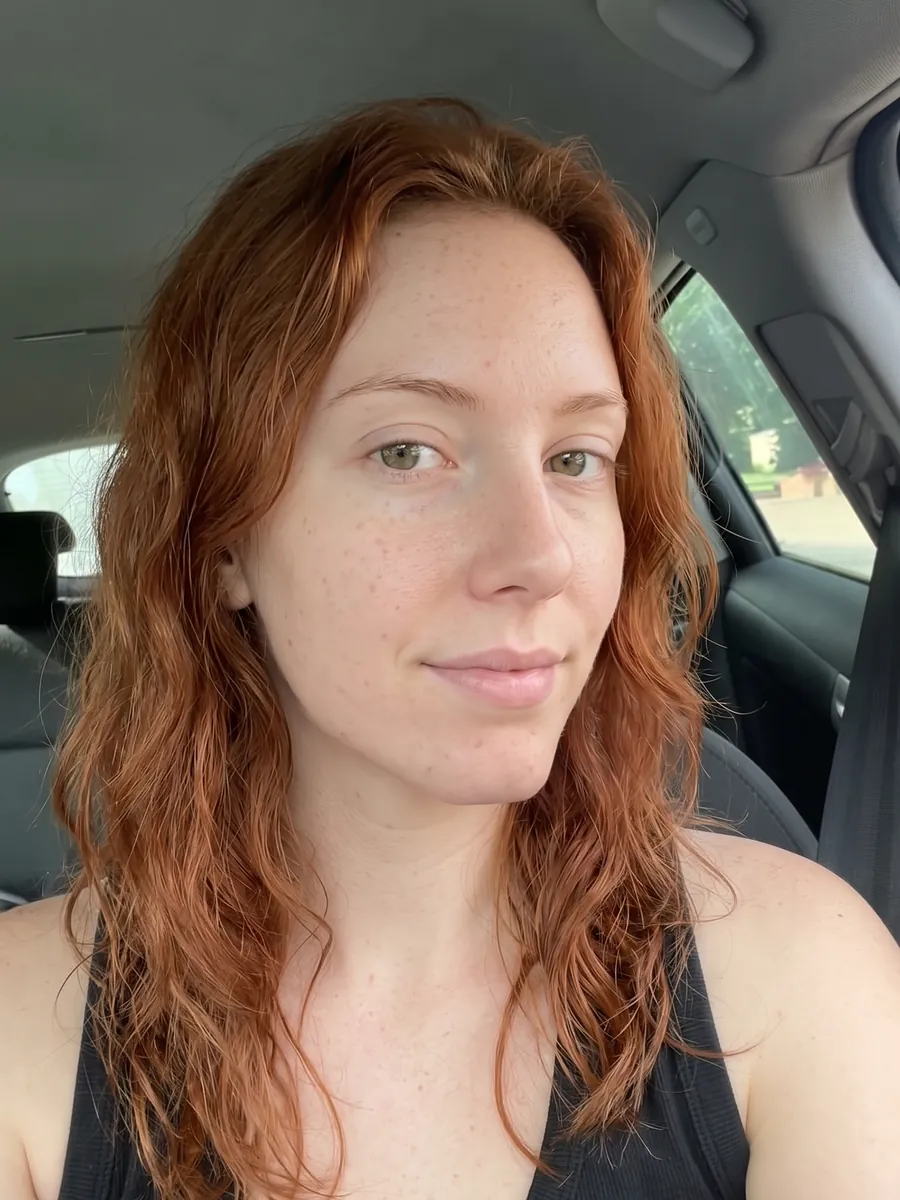
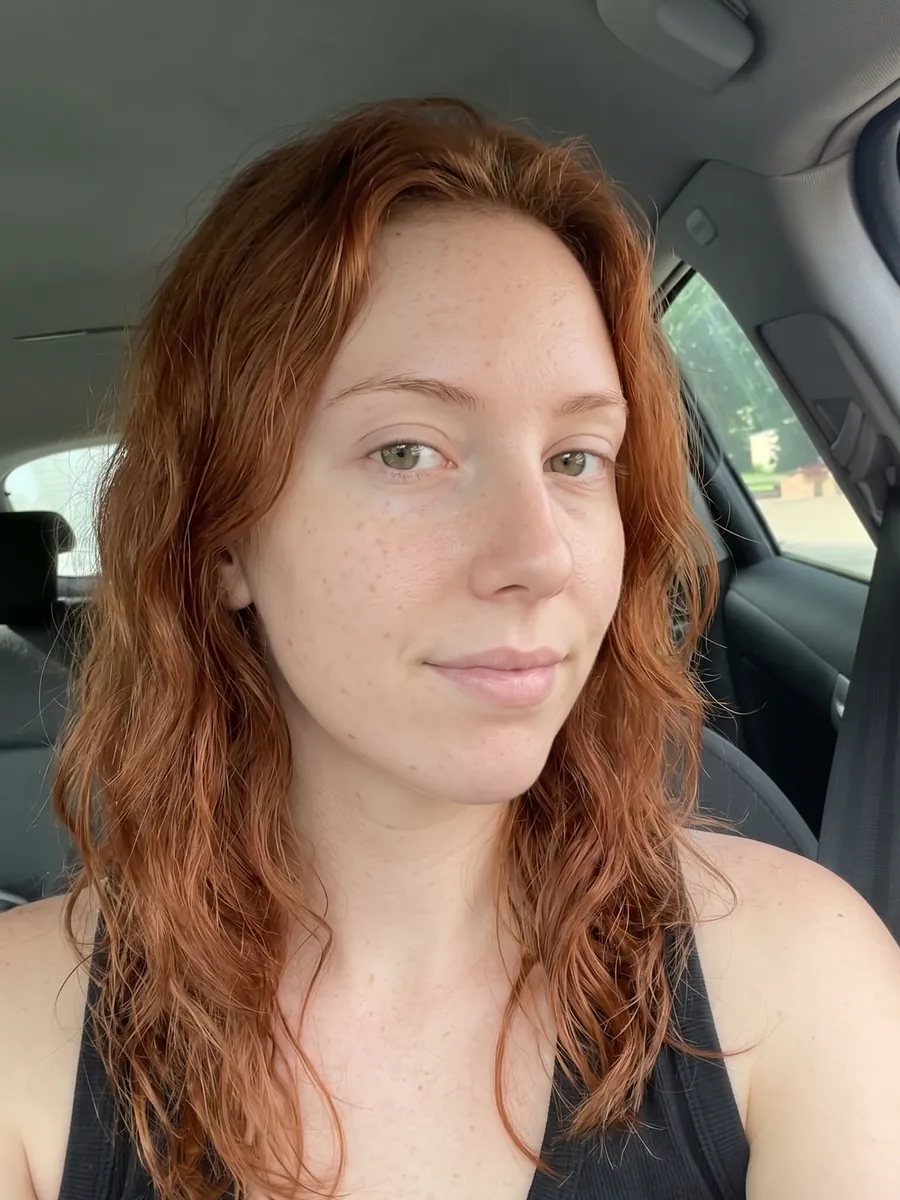
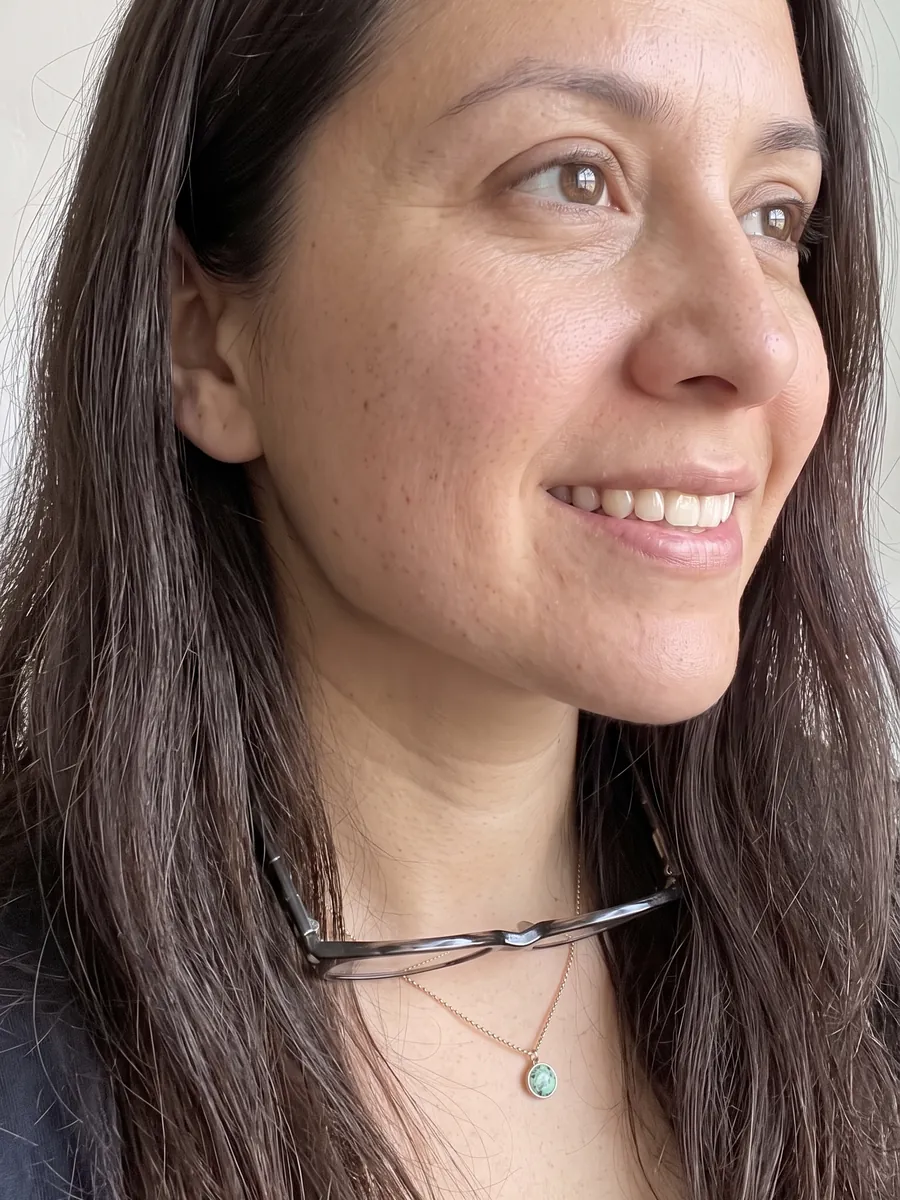
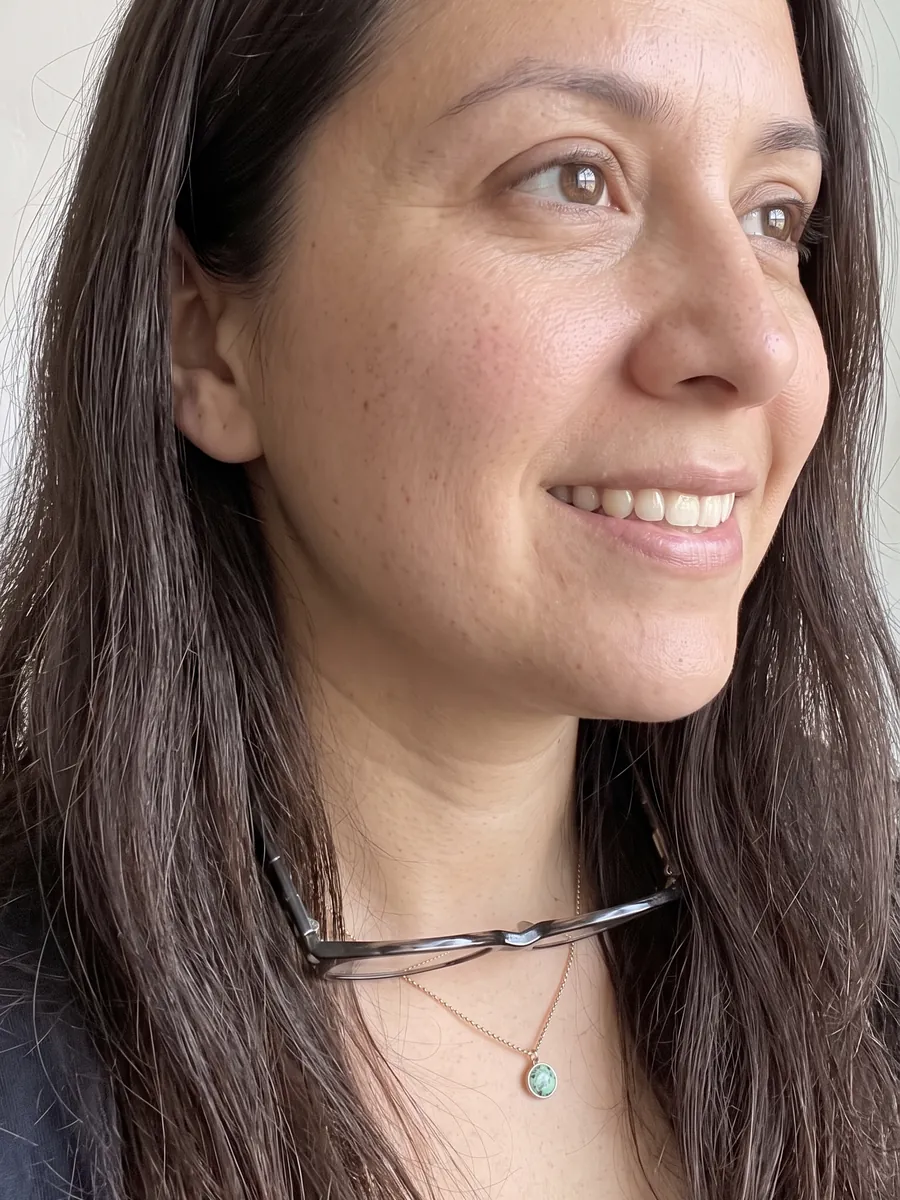
Lip lift before and after, on your own face
By Jérémie Aouate, founder of Mevona. Updated October 22, 2026.
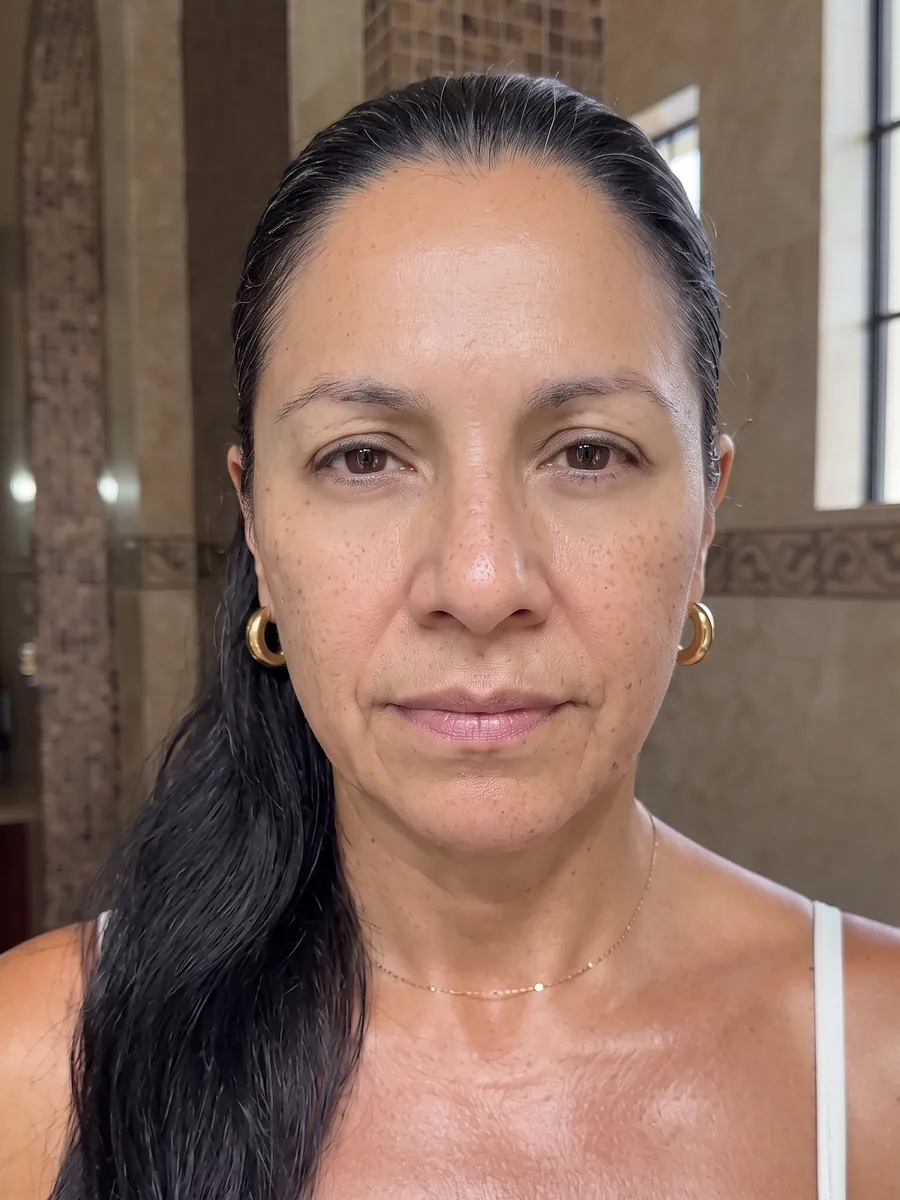
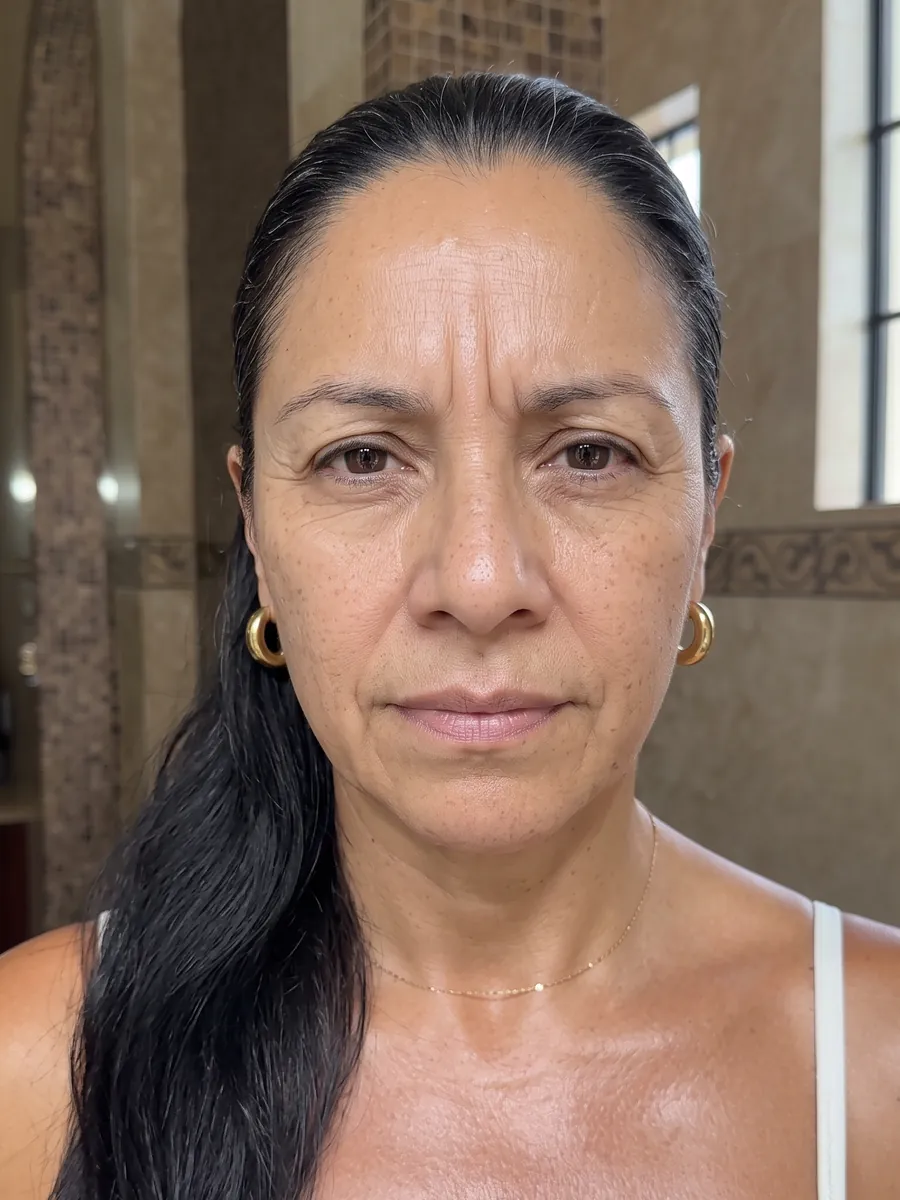
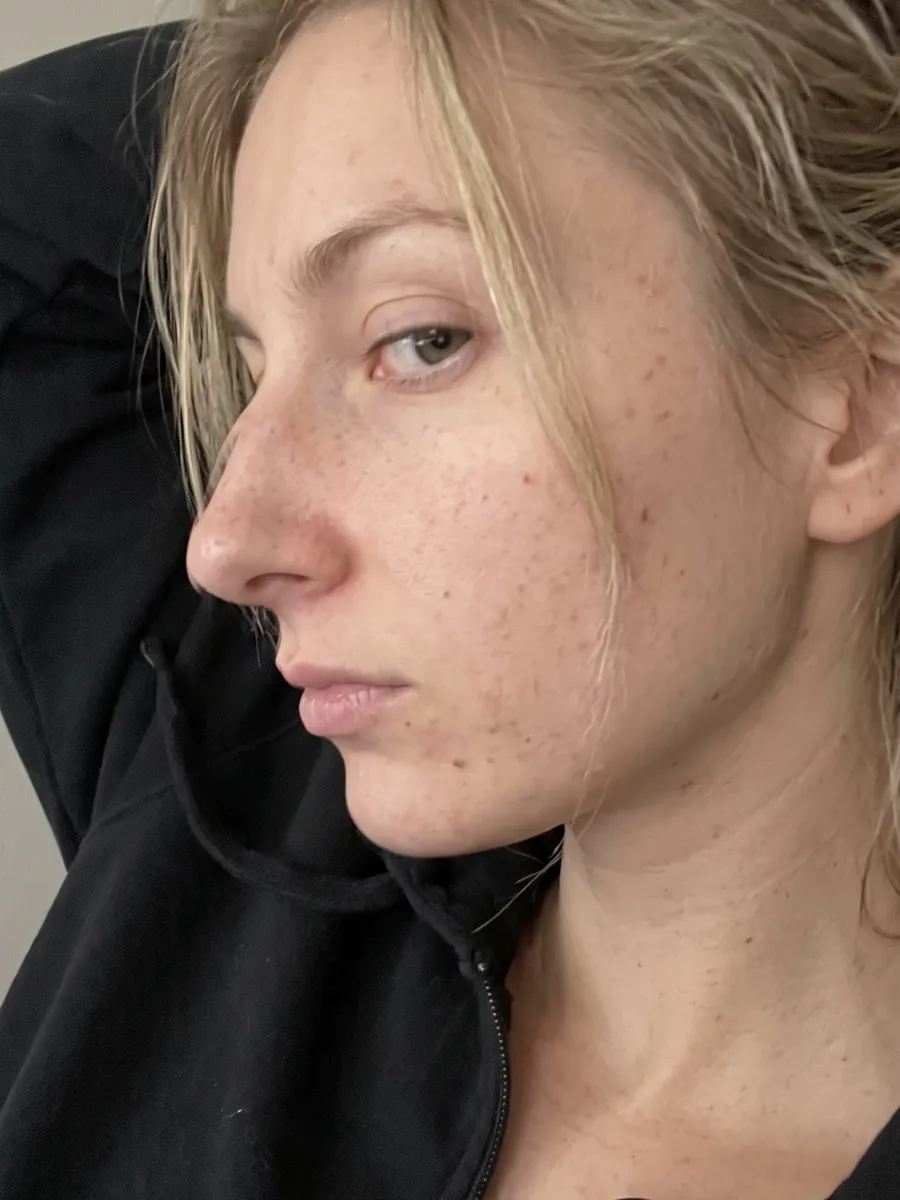
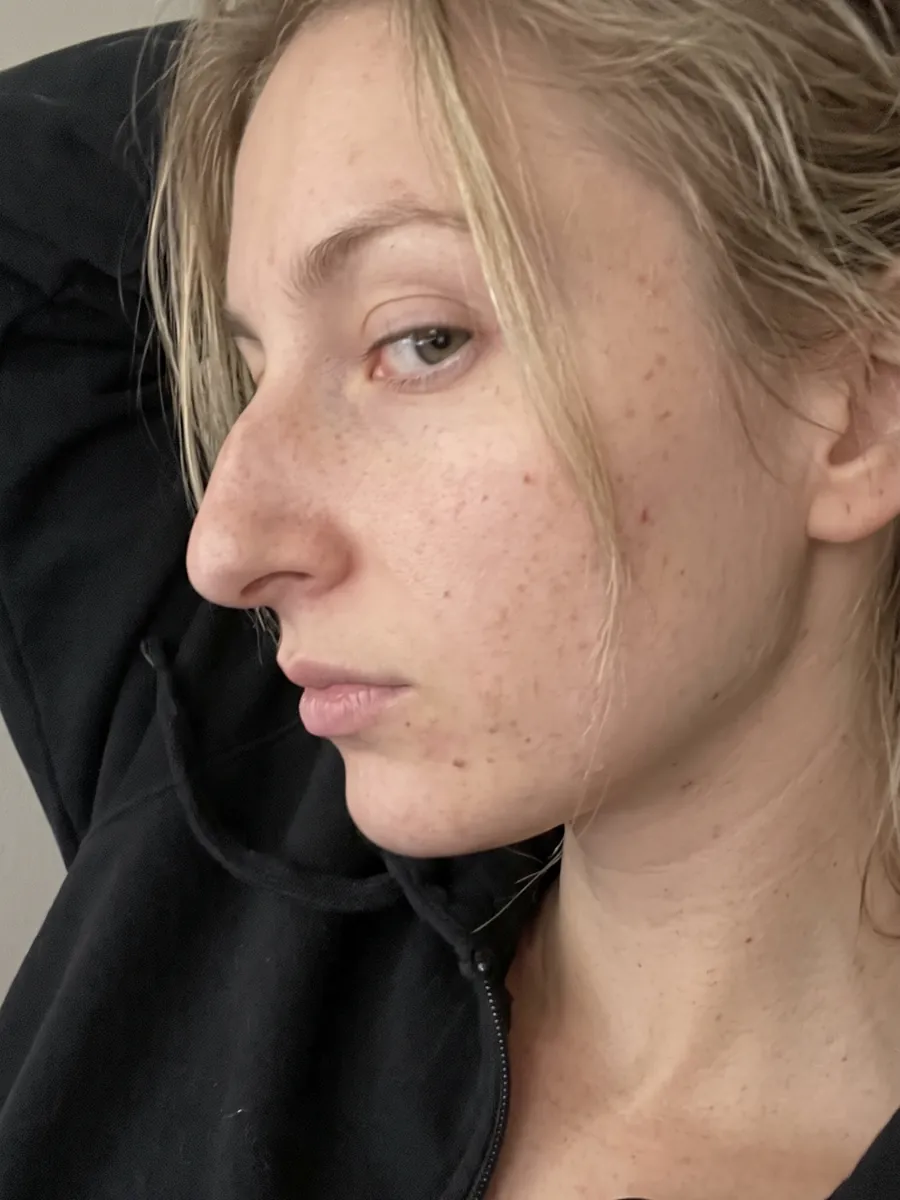
A lip lift shortens the skin between the base of your nose and your upper lip, the philtrum, so more red lip shows and often a little more of your upper teeth. This page shows that change on a whole face, at three doses, front and profile, where the scar goes, and how to see it on your own photos. What you see here is a Cosmetic Preview, an illustration of the kind of change, not a predicted result.
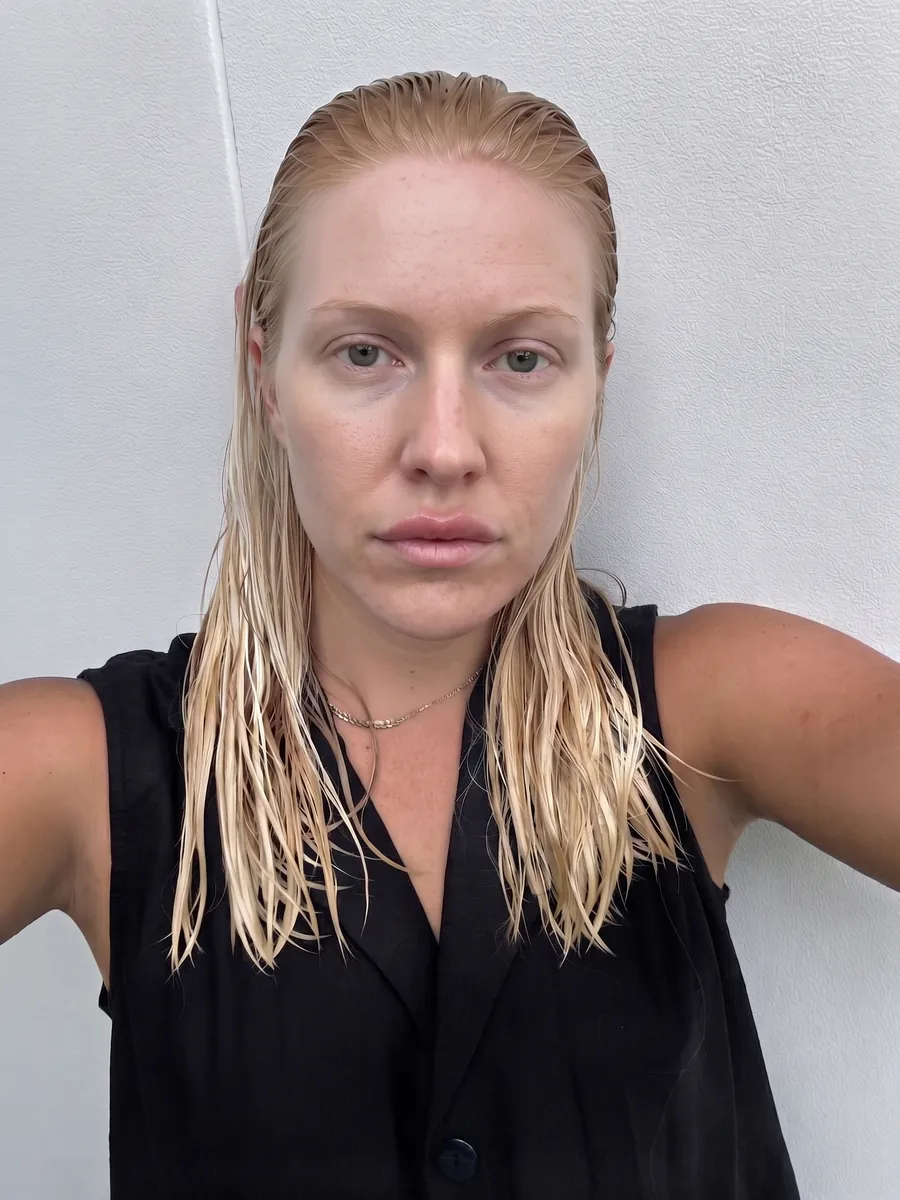
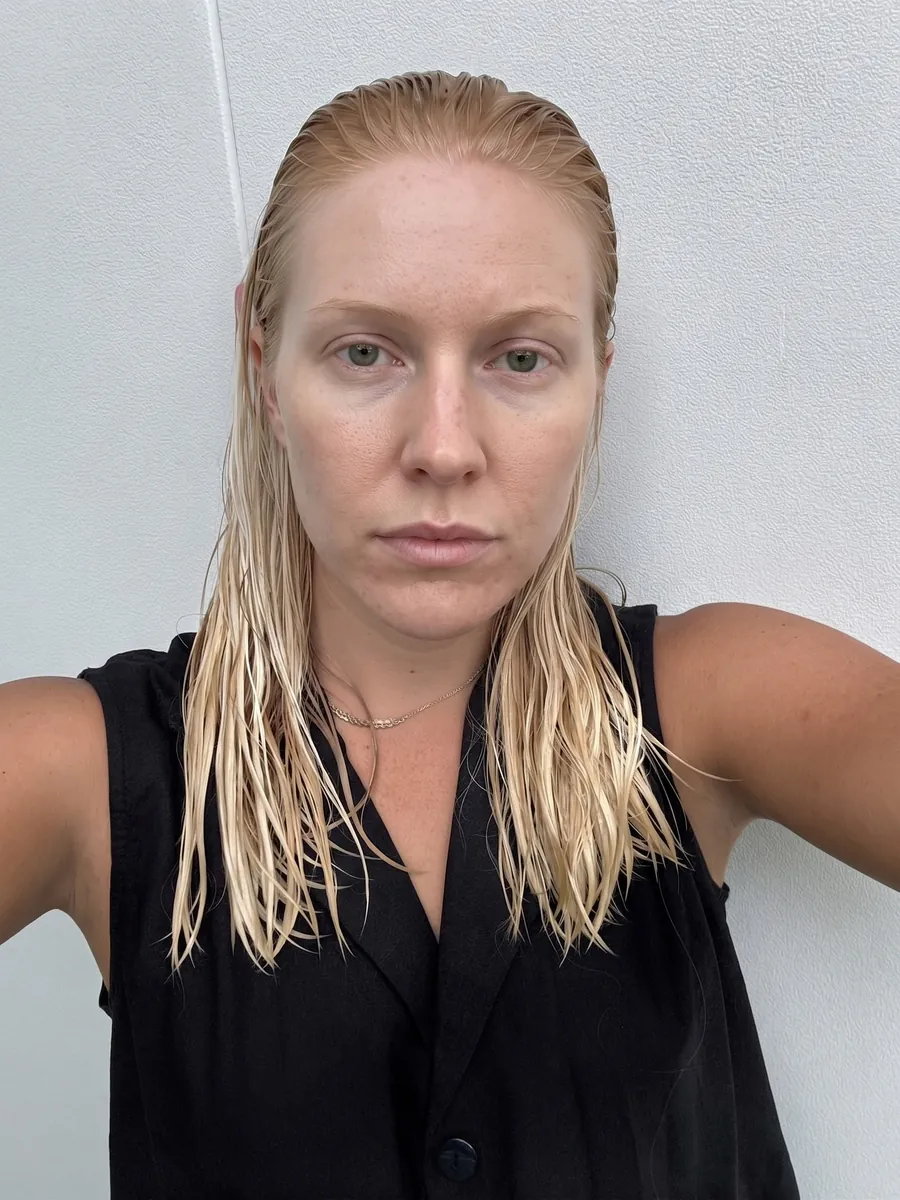
In short
- A lip lift removes a strip of skin under the nose and lifts the upper lip, according to Cleveland Clinic, which describes a fuller-looking upper lip without filler or implants.
- In a 2026 systematic review of seven studies and 1,754 people, bullhorn lip lifts took the philtrum from 14.0 to 14.5 mm to 10.8 to 12.0 mm, and upper incisor show from 1.5 to 2.0 mm to 3.5 to 5.0 mm.
- Cleveland Clinic and the ASPS describe it as permanent. Measurements over two years show part of the shortening comes back.
- It leaves a scar under the nose, usually a fine line in the natural crease, according to Cleveland Clinic.
- Neither the ASPS nor The Aesthetic Society publishes a lip lift fee. The Aesthetic Society's 2022 average for lip enhancement in general is $2,432.
- This page shows a lip lift at three doses on one face, front and profile, with an indicative 3, 4 or 5 mm for each, and what the Facial Dossier reads on the lips first.
What a lip lift changes
Between the base of your nose and the red of your upper lip sits the philtrum: the skin with two vertical ridges and a groove between them. In some faces it is long from the start, in others it lengthens with age. A long philtrum covers more of the upper teeth and lets less of the red lip show from the front. A lip lift removes a strip of skin under the nose and sutures the lip higher. According to the ASPS, that shortens the philtrum and exposes more of the inner red lip. Cleveland Clinic describes the result as a shorter distance between the nose and the upper lip and the look of more upper lip volume, without filler or implants.
What moves in the preview: the philtrum shortens, the red of the upper lip gets taller from the front, the upper lip turns slightly outward in profile, and a little more of the upper teeth shows when your lips are relaxed and parted. That last change is called tooth show at rest: how much of your upper front teeth you see when your face is relaxed. It is one of the main things a lip lift changes, and one of the hardest to judge in a mirror.
What does not move: the lower lip, the width of your mouth, your nose, your chin and your expression. Everything else stays. The upper lip looks fuller because more of it faces forward, not because anything is added. If your lips read thin rather than long, filler is the other direction, covered on lip augmentation.
In the Facial Dossier, the lips have their own section, number 6 of 17. On your front photo it measures mouth width in millimeters and the mouth width-to-face ratio, and it reads the length of your philtrum as a trait, which is the feature a lip lift works on. The section ends with one of three verdicts: keep, change, or discuss. That reading comes before any preview, so you know what you are starting from.
Where you'd stop: subtle, moderate, full
Mevona shows every procedure at three doses on the same photo. They are not surgical plans. They are three distances along the same direction, so you can see where you would want to stop. The names below are the ones you will see in the app.
Subtle: a slightly shorter upper lip
The philtrum is a little shorter and a thin band more of the red upper lip shows. The teeth barely change with the lips at rest. From the front the change is easy to miss until you put the two photos side by side.
Moderate: more upper lip showing
The philtrum is clearly shorter and the red of the upper lip is visibly taller. With the lips relaxed and parted, a little more of the upper teeth shows. This is the dose where the upper lip starts to look fuller without any filler, and the face still reads as the same person.
Full: the shortest natural philtrum
The philtrum is at the shortest length the preview shows in one pass, and the upper lip turns out the furthest. Tooth show at rest is clearly greater. It is the dose to look at when you want to know where a shorter upper lip stops looking like yours.
Surgeons do not work in doses. They mark and remove a strip of skin measured in millimeters, and the amount depends on your lip, your nose and your teeth. As an indicative correspondence only, subtle sits near 3 mm shorter, moderate near 4 mm and full near 5 mm. For scale, the 2026 systematic review found philtrum length going from 14.0 to 14.5 mm before surgery to 10.8 to 12.0 mm after, and a 52-person series in Facial Plastic Surgery and Aesthetic Medicine used a 5 mm skin resection. The same few millimeters read very differently on a long and on a short upper lip, which is why this correspondence is indicative and never a plan.
The three doses are a way of looking, not a menu. How much can be removed on your lip, and whether it suits your teeth and your nose, is a conversation to have with a qualified professional.
Front and profile
A lip lift is judged first from the front, and that is the main visual on this page. The front view shows the three things the procedure changes most: the length of the philtrum, the height of the red upper lip, and how much of the upper teeth shows at rest. Look there first.
The profile adds the rest. In profile you see the upper lip turn slightly outward, the space under the nose shorten, and how the lip now sits between the nose and the chin. A shorter philtrum also changes how the tip of the nose reads, which is why the profile is worth a look even if the front is what convinced you.
One thing neither angle shows in a preview is the scar. Cleveland Clinic describes it as usually a fine line hidden in the natural crease below the nose, at the base of the nostrils. The preview does not draw it, so keep it in mind when you compare the doses: the surgical version of every one of them comes with that line.
Techniques and variants
Cleveland Clinic describes several lip lifts. The main ones:
- Bullhorn lip lift. Also called a subnasal lip lift, and the most common type according to Cleveland Clinic. One incision shaped like a bullhorn runs along the base of the nose and lifts both the center and the sides of the upper lip. This is the change the three doses on this page illustrate.
- Central lip lift. One incision at the base of the nose lifts the center of the upper lip, the Cupid's bow.
- Corner lip lift. Small incisions at the corners raise downturned corners of the mouth into a slight smile, sometimes alongside another lift. The ASPS quotes a surgeon who advises caution because corner lifts can leave visible scars. The choice between the two approaches has its own page: bullhorn vs corner.
- Italian lip lift. Two incisions, one at each nostril. More subtle than the bullhorn, and it does not lift the center of the lip.
- Gull wing lip lift. Also called a direct lip lift. The incision runs along the border of the red upper lip rather than under the nose, for a more defined top lip.
- Lip lift with filler or fat. Some people combine the lift with volume. In the 2026 3D-imaging cohort, fat grafting added volume early on, but the volume gains had largely faded by about two years.
Who usually considers it
People come to a lip lift from a few starting points: an upper lip that looks long, upper teeth that hardly show when they speak or smile, a red upper lip that has thinned with age, or corners that turn down. The AAFPRS puts it simply: a lip lift is an option when the distance between your nose and your upper lip is longer than you would like. The ASPS article quotes a surgeon describing it as better suited to older people with an aging long lip who cannot show their upper teeth well when smiling, while noting that younger people are now drawn to it too. The concern page on a long philtrum goes deeper on that starting point.
None of that says whether a lip lift suits your face. A page or a preview cannot tell you that. What a preview can do is show the direction and the distance, so that when you discuss it with a qualified professional, you already know how much shorter you were picturing, and whether it was the length of the lip or its volume that you were looking at.
Lip lift vs lip filler
| Lip lift | Lip filler | |
|---|---|---|
| What it is | Surgery: a strip of skin removed under the nose, the upper lip lifted | Hyaluronic acid filler placed in and along the lips |
| What it can do | Shorten the philtrum and show more red lip and more upper teeth | Add volume and definition to both lips |
| What it cannot do | Add volume to the lower lip | Shorten a long philtrum |
| How long it lasts | Permanent according to Cleveland Clinic, with some relengthening measured at two years | Dissolves over several months and needs retouching, according to the AAFPRS |
| Recovery | Stitches out after about five days, swelling usually gone within a month | Minimal, with possible swelling or discoloration, according to the ASPS |
| Reversibility | Not reversible | Wears off on its own |
| Risks named by the source | Allergic reaction to anesthesia, infection, nerve damage, permanent scarring, persistent swelling, uneven lips (Cleveland Clinic) | Bruising, swelling, lumps, asymmetry, skin necrosis, and in very rare cases filler entering a blood vessel (ASPS) |
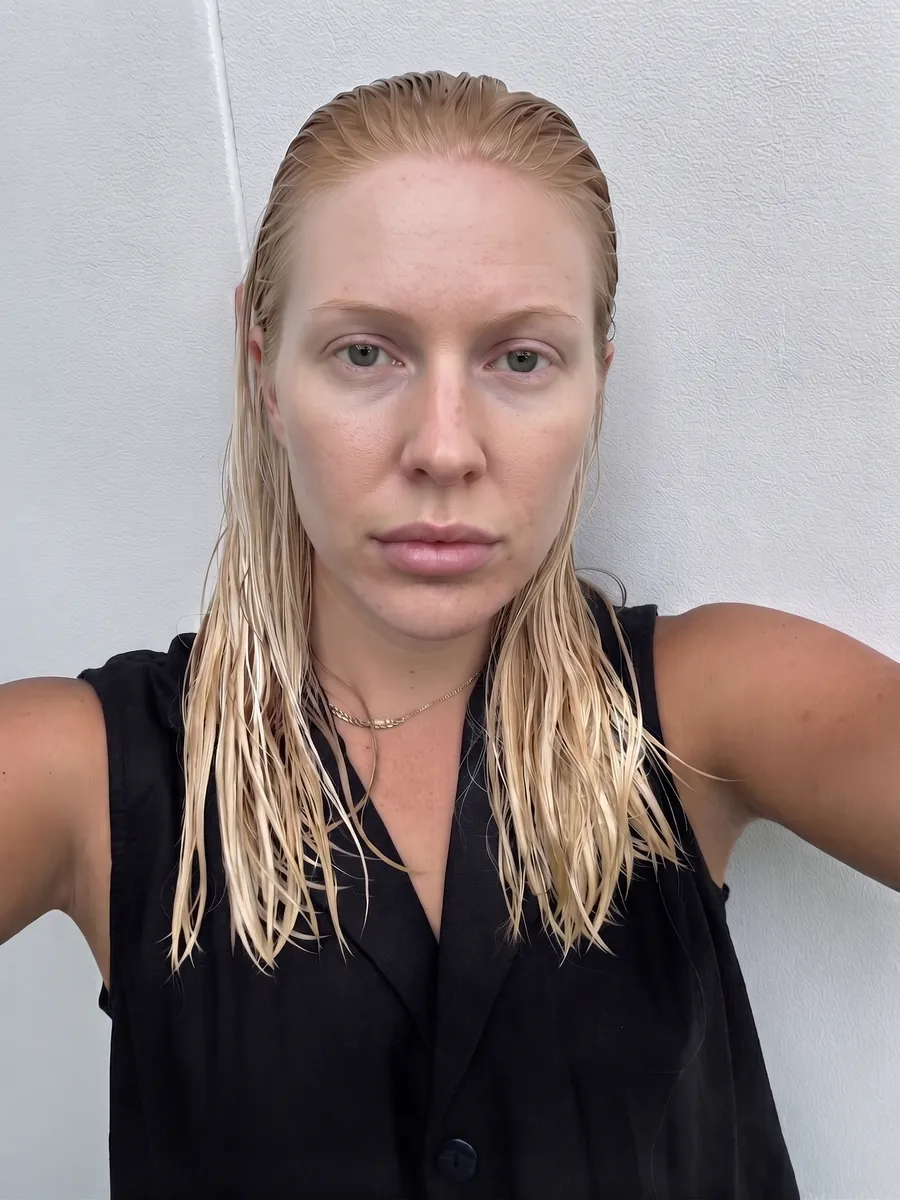
The lift changes where the upper lip sits; filler changes how much lip there is. The side by side on the same face is on lip lift vs lip filler, and the lip flip joins them in lip flip vs lip filler vs lip lift.
Cost, recovery, risks
Cost
Neither the ASPS nor The Aesthetic Society publishes a fee for the lip lift itself, and the ASPS describes it as the most invasive lip option in technique, cost and recovery. The closest society figure is The Aesthetic Society's 2022 average of $2,432 for lip enhancement, a category that mixes filler, implants, fat transfer and dermal grafts. It covers surgeon and facility fees and leaves out anesthesia, tests and prescriptions. It is an order of magnitude, not a quote for a lip lift. Insurance does not cover elective cosmetic surgery, according to the same page.
Recovery
- Day 0Outpatient surgery, usually under local anesthesia, under an hour on average according to Cleveland Clinic. Most people go home the same day.
- Day 5 to 7Stitches come out after about five days according to the AAFPRS, or dissolve on their own. Cleveland Clinic says many people are back at work within days.
- Week 1 to 4Swelling and bruising improve within a week and are usually gone within a month, according to Cleveland Clinic. Strenuous exercise waits about two weeks.
- Week 6 to 8The incision has typically healed, according to Cleveland Clinic. The scar is at its most visible during healing and fades over the following months.
- Month 4 to 6Cleveland Clinic puts the final look at up to four months. The lip can feel tight for a couple of months, and up to six in some people.
- Year 2A 2026 3D-imaging cohort measured some relengthening: about 43 percent of the philtrum shortening was still present at 24 months.
Two sources frame the timeline. Cleveland Clinic describes an outpatient operation under local anesthesia that takes under an hour on average, stitches removed after a few days or dissolving on their own, swelling and bruising improving within a week and usually gone within a month, the incision healed in six to eight weeks, and the final look at up to four months. The AAFPRS puts suture removal at about five days. On durability, two measurements temper the word permanent: a 52-person series found the gain in lip show was 50.1 percent in people under five years from surgery and 40.3 percent at five years or more, a slow decline the authors did not find statistically significant, and the 2026 3D-imaging cohort of 40 lip lifts found about 43 percent of the philtrum shortening still present at 24 months.
Risks
Cleveland Clinic lists the known risks of a lip lift: allergic reaction to anesthesia, bruising, infection, nerve damage, permanent scarring, swelling that does not go away, and uneven lips. The 2026 systematic review found complications mostly mild and transient, with revision rates between 0.6 and 6.7 percent across studies.
The scar deserves its own paragraph. It sits under the nose, along the base of the nostrils. Cleveland Clinic describes it as usually a fine line hidden in the natural crease, most visible while it heals and then fading, and says noticeable scarring is possible. The ASPS quotes a surgeon warning that corner lifts can leave visible scars. When a 2025 study analyzed 25 public reviews from people unhappy after a lip lift, scars were the most common theme, in 15 of them (60 percent), ahead of changes to the nostrils and uneven lips. That is a count of complaints, not a rate, but it shows which part of the result disappointed people most often. Your own risk depends on your skin, your anatomy and the technique, and belongs in a consultation with a qualified professional. Cosmetic Previews are illustrative and do not predict the result of any procedure.
Often combined with
Two combinations come up often enough that Mevona previews them on the same photo:
- Lip augmentation. A lift shortens the space above the upper lip while filler adds volume to both lips, so seeing them together on one face shows which of the two your mouth was asking for. See lip augmentation.
- Rhinoplasty. The lift works right at the base of the nose, so the nose and the upper lip are read together, and a change at the tip changes how a shorter lip reads. See rhinoplasty.
The combination previews use the moderate dose of each procedure, from the front.
Send three photos from your phone, front and both sides, in your own light. Pick lip lift and a dose, and see your upper lip shorten on your own face while the rest stays as it is. Go from a slightly shorter upper lip to the shortest natural philtrum, check the line in profile, and compare with lip filler or rhinoplasty on the same photo. Your Facial Dossier follows within 24 hours, with the lips section measured and your philtrum read, and the previews are there while you wait. One membership, $99 a year, all 29 procedures. Take your time, then decide.